February 19, 2026


Paid search advertising puts your business in front of people actively searching for what you offer. Unlike social media ads that interrupt users during browsing, paid search meets potential customers at the exact moment they express intent through a search query.
This guide covers how paid search works, the major platforms available in 2026, essential strategy elements, and when professional help makes sense.
Paid search advertising, also called pay-per-click (PPC) or search engine marketing (SEM), is a digital advertising model where you bid to display ads alongside organic search results. You only pay when someone clicks your ad, making it a performance-based channel with measurable ROI.
According to PPC industry research, Google remains the dominant platform with 98% of PPC marketers using it, while 64% of B2B marketing professionals report using paid search advertising in their organizations.
Aspect | Paid Search | Organic Search (SEO) |
Cost | Pay per click | Time and content investment |
Speed | Immediate visibility | Months to rank |
Placement | Top of page (labeled "Ad") | Below paid results |
Control | Full control over messaging | Limited control |
Longevity | Stops when spend stops | Compounds over time |
Paid search and organic search work best together. Industry data shows PPC advertising ranks as the most effective paid channel for B2B content marketing, with 61% of marketers citing it as effective.
Paid search operates through an auction system. When someone searches, platforms run a real-time auction among advertisers bidding on relevant keywords.
Keywords: The search terms you want to trigger your ads. Match types control how closely searches must match:
Ads: The actual content users see. Search ads typically include:
Landing Pages: Where clicks lead. Page quality directly affects costs and ad positions.
Quality Score: Platform rating (1-10) based on expected click-through rate, ad relevance, and landing page experience. Higher scores mean lower costs and better positions.
Bid Strategy: How you want to compete in auctions:
You pay when users click your ad. Costs vary dramatically by industry, competition, and keyword intent. According to industry benchmarks:
For detailed guidance on estimating your costs, see our PPC budget calculator ad spend resource. The average ROI for paid search ranges from 2:1 to 4:1, with 200% returns reported by many businesses when executed strategically.
While Google dominates, multiple platforms offer paid search advertising in 2026.
The largest search advertising platform, reaching over 90% of global internet users.
Best for: Most businesses, maximum reach, sophisticated targeting Ad formats: Search, Shopping, Display, Video (YouTube), Performance Max Unique features: AI-powered Performance Max campaigns, comprehensive audience targeting
According to platform usage data, Google captures 50.5% of total US search ad spending. For businesses exploring alternatives, our paid search advertising platforms comparison breaks down the key differences.
Microsoft's search network reaches users on Bing, Yahoo, AOL, and partner sites.
Best for: B2B advertisers, reaching older demographics, cost-conscious advertisers Ad formats: Search, Shopping, Audience Network, multimedia ads Unique features: LinkedIn profile targeting (exclusive), import from Google Ads, typically 30-40% lower CPCs than Google
Microsoft Advertising reaches over 1 billion monthly users and often delivers higher conversion rates due to audience demographics. Learn more about getting started in our how to advertise on Bing guide.
Dominant in e-commerce paid search, showing ads within Amazon's marketplace.
Best for: Product sellers on Amazon, e-commerce brands Ad formats: Sponsored Products, Sponsored Brands, Sponsored Display Unique features: Ads appear alongside product listings, high purchase intent
The search landscape continues expanding beyond traditional engines. Search marketing in 2026 extends to multiple surfaces, including:
Effective paid search requires more than just setting up ads. Follow these fundamentals.
Before launching campaigns, determine what you're trying to achieve:
Your objective shapes everything from keyword selection to bid strategy.
Successful PPC in 2026 requires surgical precision—targeting high-intent keywords rather than broad, informational terms.
Prioritize by intent:
Focus budget on keywords that indicate readiness to act.
According to Google Ads best practices, organize accounts with:
Poor structure leads to irrelevant ads, low Quality Scores, and wasted spend.
Effective search ads:
Where you send traffic matters as much as the ad itself. Landing pages should:
75% of PPC professionals now use generative AI at least sometimes for writing ads. Modern paid search success includes:
However, automation works best with proper tracking and human strategic oversight.
Set up conversion tracking before launching campaigns. Track:
Paid search analytics reveals where your budget goes and what results it drives—essential for optimization. For actionable strategies, explore our PPC campaign optimization tips.
While paid search is DIY-friendly at small scales, professional help often delivers better returns as campaigns grow.
Signs you might benefit from professional management:
Professional PPC management typically includes:
When selecting an agency, consider:
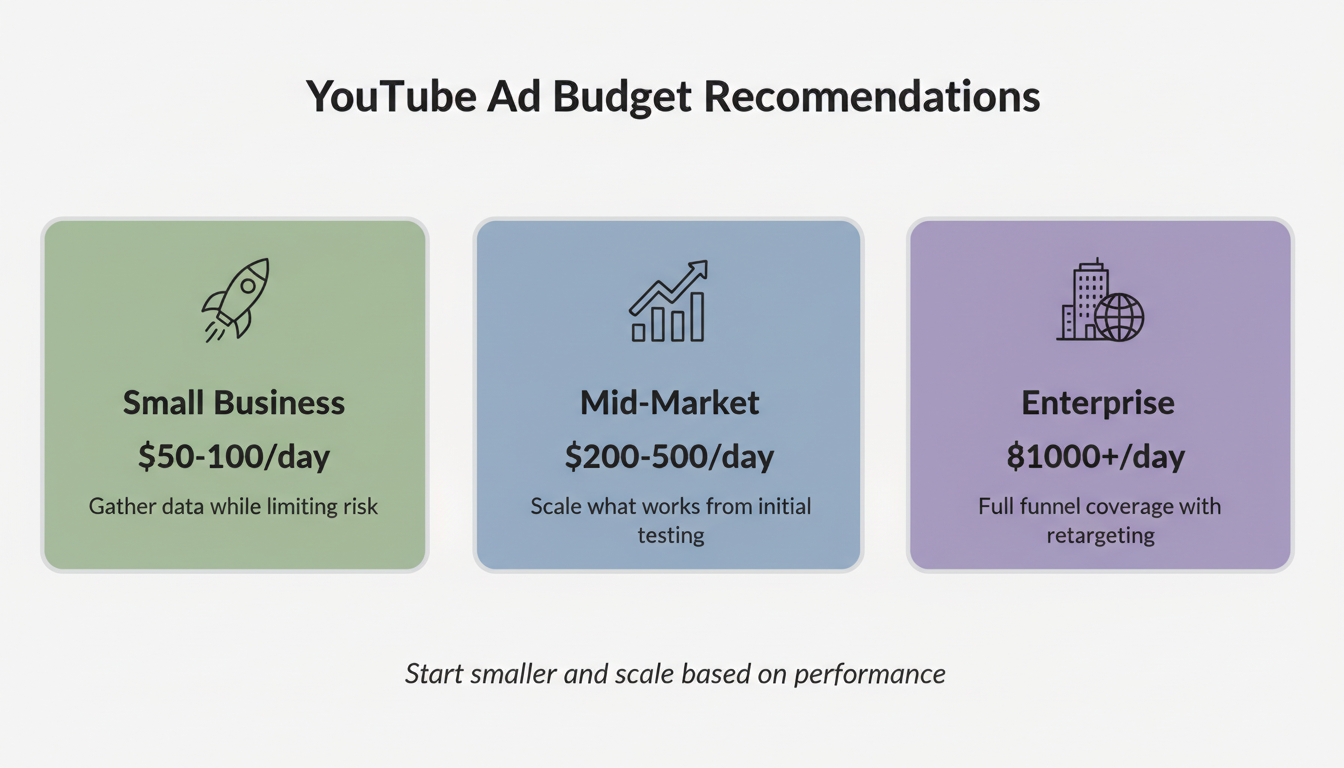
Costs vary widely. Expect average CPCs of $2-$5, though competitive industries can reach $50-$1,000+ per click. Most small businesses spend $1,500-$15,000 monthly on paid search. The key metric is ROI, not raw cost—well-managed campaigns typically return $2-$4 for every $1 spent.
Start with Google Ads for maximum reach. Once you have campaigns performing well, expand to Microsoft Advertising for additional reach at lower costs. The LinkedIn profile targeting available exclusively through Microsoft Advertising makes it particularly valuable for B2B.
Traffic starts immediately after ads go live. Optimization takes longer—expect 2-4 weeks to gather meaningful data and 2-3 months to fully optimize campaigns. Automated bidding strategies require at least 15-30 conversions monthly to function effectively.
By submitting this form, you agree to our Privacy Policy and Terms & Conditions.