February 19, 2026


Paid search advertising strategies have changed dramatically as AI and automation reshape how campaigns are built, optimized, and measured. If you're still running campaigns the same way you did in 2024, you're leaving money on the table.
This guide covers the foundational strategies that work in 2026, advanced tactics that separate high performers from the pack, and emerging trends you need to prepare for now.
Before diving into advanced techniques, your paid search advertising strategies need solid fundamentals. These basics remain critical even as platforms evolve.
You cannot optimize what you cannot measure. According to MonsterInsights, proper conversion tracking is the foundation of every successful PPC campaign in 2026.
Set up tracking for all valuable actions, not just final purchases:
Despite the industry's shift toward "keywordless" campaigns, keywords still matter—they're just used differently. Focus your search advertising strategy on:
Your ads compete for attention in milliseconds. Write copy that:
According to ATS Creative's PPC Marketing Guide, ad extensions increase your ad's real estate and improve Quality Score, reducing costs.
Once your foundation is solid, these advanced paid search advertising strategies separate top performers from average campaigns.
MonsterInsights reports that intent-based marketing now beats keyword-focused approaches. Google and Microsoft analyze user behavior patterns, device signals, and search context to determine intent—often better than exact keyword matching.
To take advantage:
Performance Max campaigns have evolved significantly. According to OuterBox Design, Google Ads has shifted from keyword-defined visibility to an AI-driven strategy where intent, structured data, and first-party signals dictate ad delivery.
Best practices for Performance Max:
Running paid search in isolation limits your results. According to Think with Google research cited by industry experts, omnichannel campaigns achieve nearly 19% higher engagement than single-channel efforts.
Build a coordinated strategy:
Use shared Customer Match audiences across platforms for consistent targeting.
AI-driven automation is no longer optional—it's the engine powering modern campaigns. According to MonsterInsights, 62% of Google Ads professionals now use Smart Bidding.
Smart Bidding analyzes thousands of signals in real time: device type, location, time of day, user behavior, and more. The most effective strategies for 2026:
Strategy | Best For | Key Consideration |
Target ROAS | E-commerce | Requires 15+ conversions/month |
Target CPA | Lead generation | Set realistic targets based on data |
Maximize Conversions | Campaign scaling | Monitor for CPA creep |
Maximize Conversion Value | High-value transactions | Needs accurate value tracking |
PPCChat's 2026 predictions discussion highlights a key insight: the winners in 2026 won't be the most automated advertisers—they'll be the most intentional ones.
Human oversight remains essential for:
With third-party cookie deprecation now complete, first-party data is your competitive advantage. According to ProRealTech, using first-party data to fuel AI-driven campaigns is critical for 2026 success.
Build your first-party data strategy:
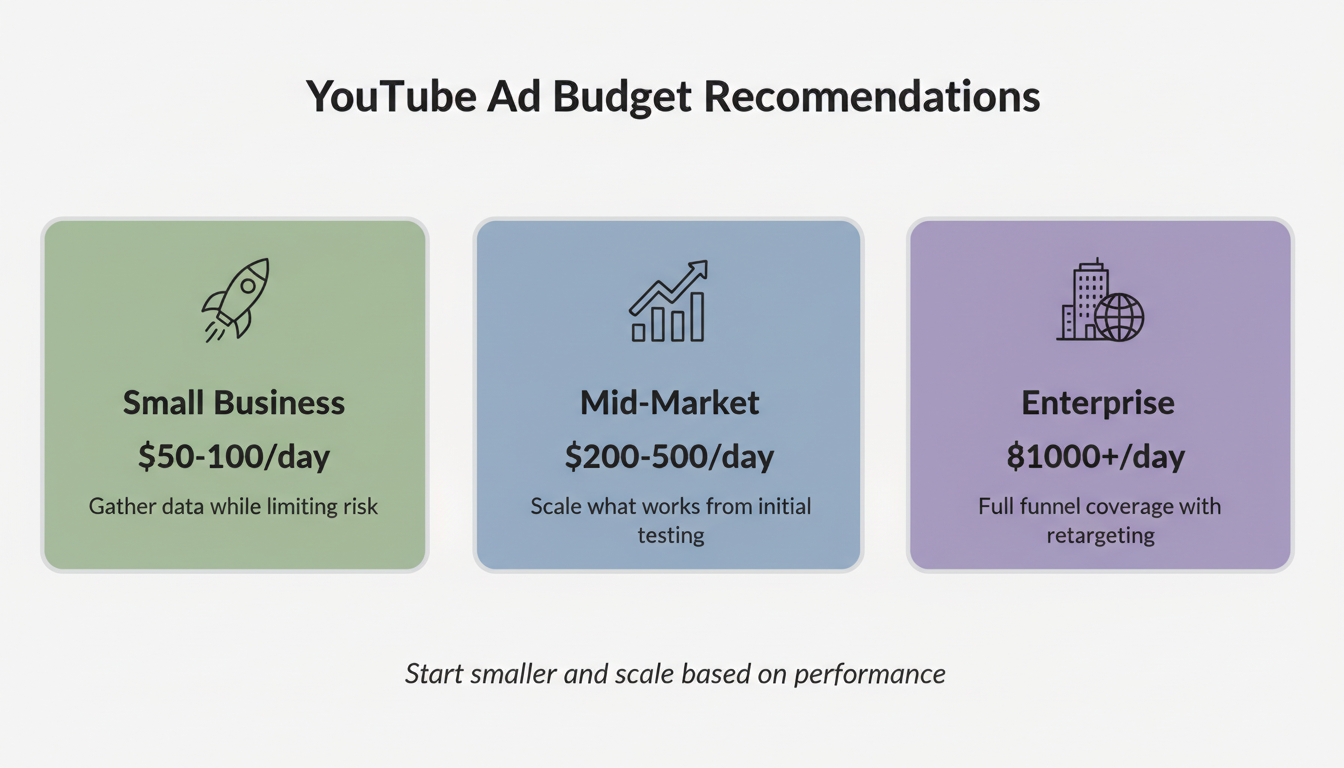
How you allocate budget matters as much as how you build campaigns. Understanding the nuances of PPC campaign optimization can help you maximize your return on ad spend.
The ATS Creative PPC Marketing Guide recommends this phased approach:
Week 1: Set up tracking and analytics Week 2: Conduct keyword research, focus on high-intent terms Week 3: Launch first campaign with modest budget, exact match keywords Week 4: Monitor daily, add negatives, adjust bids based on data Month 2: Expand winners, pause losers, test new variations
PPC benchmarks vary dramatically by industry. WebFX's 2026 benchmark data shows:
Know your industry benchmarks before setting budgets and CPA targets. Many businesses choose to outsource PPC management to specialized agencies that understand these industry-specific nuances.
Set aside 10-15% of your search marketing budget for testing:
These emerging trends will shape paid search advertising strategies throughout the year.
Search is becoming conversational. According to NoGood's Future of Search Marketing analysis, success metrics have evolved: citation frequency, engagement quality, and brand authority matter as much as clicks.
Prepare by:
WordStream reports that AI-generated summaries deliver answers without clicks—only about 8% of users click links from Google's AI summaries, according to Basis research.
Adjust your strategy:
MonsterInsights confirms voice and visual search are now mainstream. Whether you're running campaigns on Google or exploring Microsoft advertising agency services, optimizing for these new search formats is essential.
Optimize by:
AI-driven automation paired with strong first-party data. According to MonsterInsights, AI handles execution, but you need clean conversion data and customer insights to make it work. Focus on tracking everything and building your first-party data before scaling campaigns.
Use manual bidding selectively for high-value campaigns where you need precise control. For most campaigns, Smart Bidding performs better because it processes more data faster than humans can. The exception is low-volume campaigns where AI lacks sufficient data to learn. For businesses new to paid search, working with a PPC marketing agency can help determine the right bidding approach.
Build organic presence first—you need to be citation-worthy before AI will recommend you. Create genuinely valuable content that AI systems want to cite. Monitor platform announcements for paid AI placement opportunities and budget 10-15% for testing new formats.
By submitting this form, you agree to our Privacy Policy and Terms & Conditions.