February 19, 2026


PPC advertising is one of the most widely used digital marketing strategies, but what does it actually mean? This guide provides a clear definition, explains how PPC works, covers essential terminology, and outlines the benefits for businesses in 2026.
PPC stands for Pay-Per-Click. According to industry definitions, pay-per-click is a digital advertising model where advertisers pay a publisher—typically a search engine or social media platform—every time a user clicks their ad.
In simpler terms: you only pay when someone actually clicks on your ad, not just when they see it.
The core PPC concept:
PPC is also called cost-per-click (CPC) advertising. The terms are often used interchangeably, though CPC technically refers to the pricing model while PPC describes the broader advertising approach.
PPC advertising works by allowing advertisers to bid on specific keywords related to their products or services. Here's the process:
You choose keywords relevant to your business. When users search for these terms, your ad may appear.
You write ad copy including headlines, descriptions, and calls-to-action. For search ads, this text appears on the results page.
You set the maximum amount you're willing to pay per click. Higher bids generally increase ad visibility.
When someone searches your keyword, an instant auction runs among all advertisers targeting that term.
Winners appear on the search results page. Position depends on bid amount and ad quality.
If a user clicks your ad, you pay up to your maximum bid. No click, no charge.
According to PPC marketing experts, the fundamentals haven't changed, but tactics have evolved significantly in 2026 with AI-driven optimization and ultra-specific targeting.
Understanding PPC requires knowing these essential terms:
The amount you pay each time someone clicks your ad. CPC = Total cost of clicks ÷ Total number of clicks.
Industry averages vary widely:
The percentage of people who see your ad and click it. If your CTR is low, your ad isn't grabbing attention.
CTR = Clicks ÷ Impressions × 100
A higher CTR indicates more relevant, compelling ads. Average CTR for search ads is around 3-6%.
The number of times your ad is displayed. You don't pay for impressions in PPC—only clicks.
A rating (1-10) from the platform measuring ad relevance, expected CTR, and landing page experience. Higher Quality Scores lower your costs and improve positions.
The amount you spend to convince a customer to complete a specific action—a purchase, form submission, or other conversion.
CPA = Total ad cost ÷ Total conversions
How much revenue you earn for every dollar spent on ads.
ROAS = Revenue from ads ÷ Cost of ads
A 4:1 ROAS means you earn $4 for every $1 spent.
Cost per 1,000 impressions. Used in display advertising rather than traditional PPC, where you pay per view rather than per click. Understanding the differences between display advertising vs paid search can help you choose the right advertising approach for your goals.
Why do businesses invest in PPC? Here are the primary advantages:
Unlike SEO, which takes months, PPC delivers instant placement at the top of search results. You get instant visibility, but you pay for every visitor who walks through your digital door.
Target specific:
Every aspect of PPC is trackable—clicks, conversions, costs, and ROI. No guessing about what's working.
Set daily and monthly spending limits. Scale up what works, pause what doesn't. You control exactly how much you spend.
People clicking search ads are actively looking for solutions. PPC is one of the best ways to reach customers when they are actively searching for what you offer.
According to UK industry data, businesses invest billions annually in PPC advertising because of these benefits.
Ready to try PPC? Here's how to begin:
Start with the largest:
If you're new to the Microsoft ecosystem, check out our Microsoft Advertising for beginners guide to understand the platform's unique advantages.
What do you want to achieve?
Use tools like Google Keyword Planner to find terms your customers search. Focus on intent—what problems are they trying to solve?
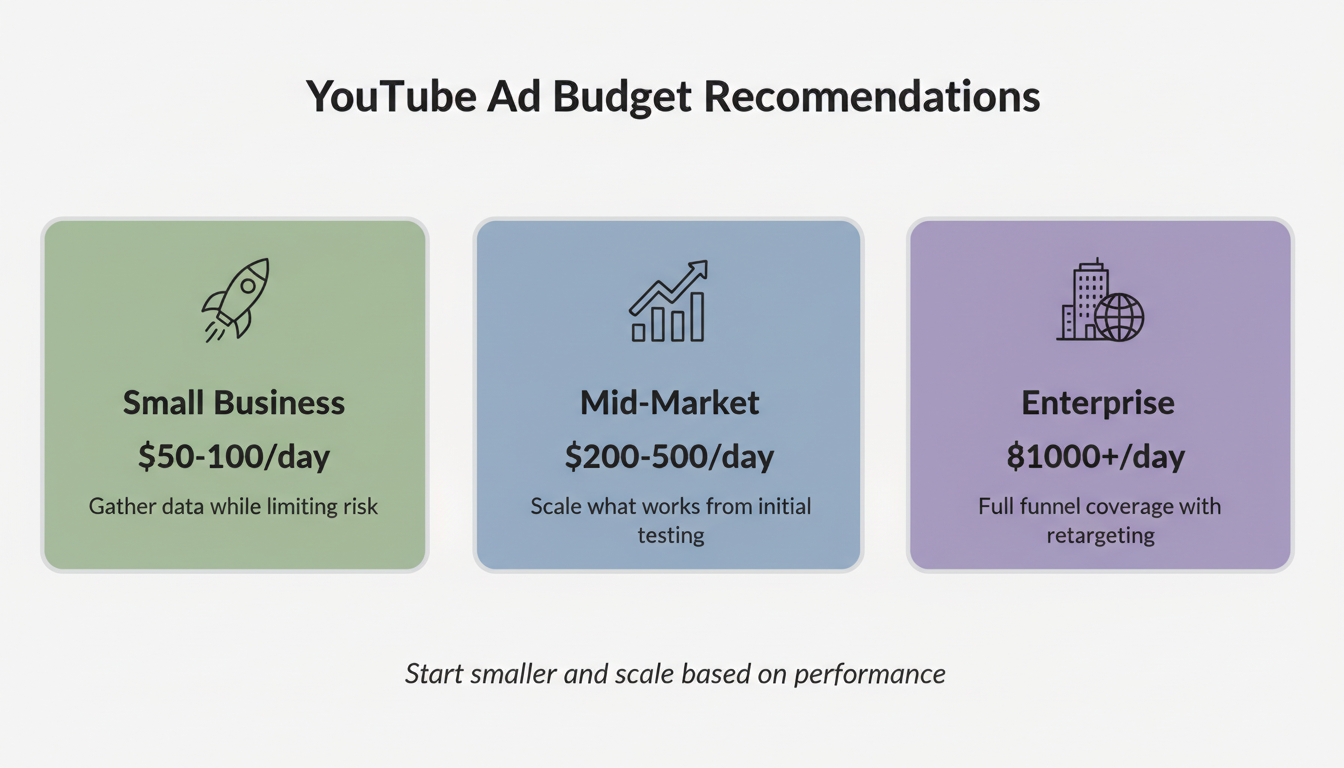
Start small to learn. Many businesses begin with $500-$1,000/month while testing. Scale successful campaigns.
Write headlines and descriptions that address searcher needs. Include clear calls-to-action.
Track performance daily at first. Adjust bids, pause underperformers, expand winners.
PPC rewards expertise. According to industry research, the average account gets all conversions from just 12% of keywords—the other 88% waste budget. Professional PPC management services often pay for themselves by optimizing campaigns and eliminating wasted spend.
When you search "running shoes" on Google and see ads at the top labeled "Sponsored," those are PPC ads. The shoe retailers pay Google only when you click their ad.
PPC is paid advertising where you buy clicks. SEO is organic optimization where you earn rankings through content and website improvements. PPC delivers immediate results; SEO builds over months. Learn more about the broader context in our guide to what is SEM marketing.
Yes, when done correctly. PPC's budget control makes it accessible at any scale. Start with a small budget, focus on high-intent keywords, and scale what works.
By submitting this form, you agree to our Privacy Policy and Terms & Conditions.