February 19, 2026


A well-crafted PPC advertising strategy separates profitable campaigns from money pits. Whether you're managing Microsoft Ads, Google Ads, or multi-platform campaigns, the fundamentals of effective paid search remain consistent—but the tactics evolve constantly.
In this guide, we'll walk through the essential components of a winning PPC strategy for 2026, from foundational keyword research to advanced bidding automation and testing frameworks.
Before launching any campaign, you need a clear strategic foundation. This means understanding your business objectives, target audience, and how PPC fits into your broader marketing mix.
Start with clear goals. Are you focused on lead generation, e-commerce sales, brand awareness, or app installs? Your objective determines everything from campaign type selection to bidding strategy and success metrics.
Define your target audience. Go beyond basic demographics. Understand:
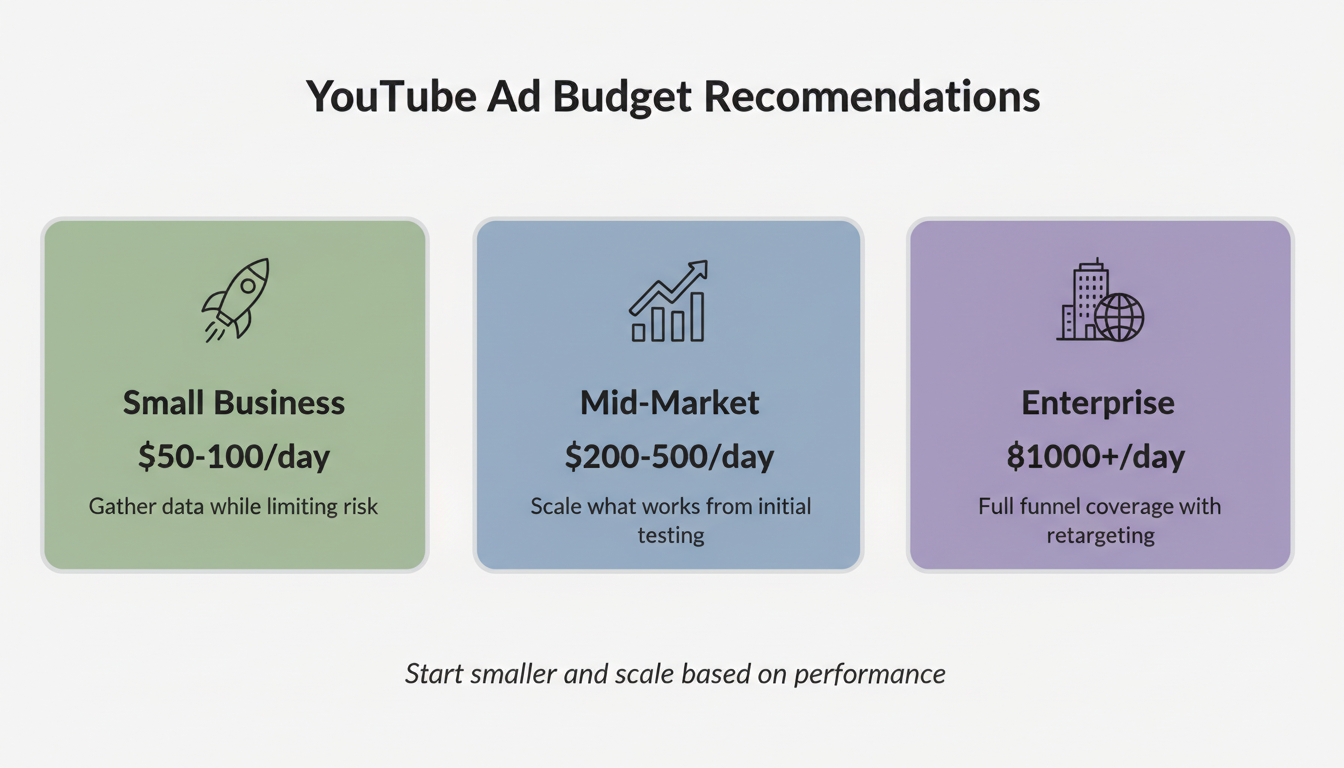
Set realistic budgets. According to industry data from WebFX, the average small business spends $9,000-$10,000 per month on PPC. However, your budget should align with your goals, industry CPCs, and expected conversion rates.
Choose the right platforms. While Google dominates search, Microsoft Advertising reaches 63 million searchers that Google doesn't—often at lower CPCs. Consider where your audience actually searches, not just where everyone else advertises.
Keyword research is the backbone of any PPC strategy. Unlike SEO, where you can target aspirational keywords, PPC requires precision—every click costs money.
Understanding match types prevents wasted spend:
Match Type | Trigger | Best For |
Exact Match | Query matches keyword meaning | High-intent, proven converters |
Phrase Match | Query contains keyword meaning | Moderate control with reach |
Broad Match | Related queries | Discovery (use with Smart Bidding) |
In 2026, broad match paired with Smart Bidding has become increasingly effective, as machine learning identifies conversion patterns across query variations.
Start with seed keywords. Use your product/service categories, brand terms, and competitor names as starting points.
Expand strategically. Tools like Microsoft Advertising's Keyword Planner, SEMrush, and Ahrefs reveal:
Segment by intent. Group keywords by funnel stage:
Negative keywords prevent irrelevant clicks. Build lists proactively by:
Modern PPC goes far beyond keywords. Audience targeting lets you reach the right people regardless of what they're searching.
Your most valuable audiences come from your own data:
Both Microsoft and Google offer powerful pre-built audiences:
In-market audiences target people actively researching products in your category. Microsoft's in-market segments cover hundreds of categories from "Business Services" to "Financial Services."
Custom intent audiences let you build audiences based on keywords people have searched or websites they've visited.
LinkedIn Profile Targeting (Microsoft exclusive) allows targeting by:
This makes Microsoft Advertising particularly powerful for B2B campaigns, especially when combined with professional targeting capabilities.
Combine audience targeting with keyword targeting for precision:
Your ad copy is the bridge between search intent and conversion. In 2026, responsive search ads (RSAs) dominate, but the principles of compelling copy remain timeless.
Responsive search ads allow up to 15 headlines and 4 descriptions. The platform tests combinations automatically. To maximize performance:
Create variety. Write headlines that:
Pin strategically. Only pin headlines when absolutely necessary—over-pinning limits machine learning optimization.
Test different angles. Mix benefit-focused, feature-focused, and urgency-driven messaging.
Every ad should answer:
Ad extensions (now called "assets") increase real estate and click-through rates:
Extension Type | Use Case |
Sitelinks | Direct to key pages (pricing, features, contact) |
Callouts | Highlight benefits (Free Consultation, 24/7 Support) |
Structured Snippets | List service categories or product types |
Call Extensions | Drive phone leads |
Location Extensions | Local businesses |
Price Extensions | E-commerce and services with set pricing |
Your PPC strategy is only as strong as your landing pages. A WordStream analysis found that top-performing landing pages convert at 11.45% or higher—far above the 2-5% average.
Message match. Your landing page headline should directly reflect the ad and keyword that brought the visitor. If someone searches "b2b ppc services," they should land on a page about B2B PPC—not your generic homepage.
Clear value proposition. Within 5 seconds, visitors should understand:
Single focused CTA. Each landing page should have one primary action. Remove navigation and competing links that distract from conversion.
Social proof. Include testimonials, client logos, case study results, and trust badges prominently.
Mobile optimization. With over 60% of searches on mobile, your landing pages must load fast and convert on smaller screens.
Continuously improve landing pages through:
Choosing the right bidding strategy dramatically impacts campaign performance. In 2026, Smart Bidding powered by machine learning handles the heavy lifting—but understanding when to use each strategy is critical.
Strategy | Best For | Requirements |
Maximize Conversions | New campaigns, lead gen | Conversion tracking |
Target CPA | Predictable cost per lead | 30+ conversions/month |
Maximize Conversion Value | E-commerce, varying order values | Revenue tracking |
Target ROAS | Scaling profitable campaigns | 50+ conversions/month |
For those just getting started with PPC, these automated bidding options significantly simplify campaign management while delivering competitive results.
Manual CPC still has its place:
For larger accounts, portfolio strategies apply bidding across multiple campaigns with shared goals. This provides more data signals and smoother optimization than individual campaign strategies.
How you organize campaigns and ad groups affects both performance and management efficiency.
The trend in 2026 leans toward consolidated campaign structures:
Fewer, larger campaigns give Smart Bidding more data to optimize. Instead of splitting by match type or tight ad groups, consolidate where goals align.
Single Keyword Ad Groups (SKAGs) are largely outdated. With RSAs and Smart Bidding, tight thematic ad groups perform better than single-keyword structures.
Organize by:
Account
├── Brand Campaign (Exact match brand terms)
├── Non-Brand - Services (Target CPA)
│ ├── Ad Group: PPC Management
│ ├── Ad Group: SEO Services
│ └── Ad Group: Paid Social
├── Non-Brand - Industries (Target CPA)
│ ├── Ad Group: B2B
│ ├── Ad Group: E-commerce
│ └── Ad Group: SaaS
└── Remarketing Campaign (Maximize Conversions)
PPC success requires continuous testing and optimization. Build a systematic approach rather than making random changes.
Professional PPC campaign management services typically follow structured optimization frameworks to ensure consistent performance improvements across all campaign elements.
Focus testing resources where they'll have the biggest impact:
In 2026, cross-device and cross-channel journeys make attribution complex. Consider:
When evaluating Microsoft Ads ROI benchmarks, remember that attribution models can significantly impact how performance appears across different platforms and touchpoints.
Different industries require tailored approaches to PPC advertising:
Real estate campaigns benefit from location-specific targeting and visual ad formats, as detailed in our real estate PPC advertising guide.
Dental practices need hyper-local targeting with strong mobile optimization, covered in our dental PPC advertising guide.
SaaS companies often require longer nurture cycles and sophisticated remarketing, which our SaaS PPC agency services guide explores in depth.
While this guide covers universal PPC principles, each platform has unique features and best practices.
Microsoft Advertising offers distinct advantages beyond lower CPCs:
Our Bing ads strategy guide covers advanced tactics specific to the Microsoft platform, while the Bing ads tutorial provides step-by-step implementation guidance.
Don't limit yourself to a single platform. The most effective search engine marketing strategies leverage multiple channels based on where your audience actually converts.
When evaluating Microsoft Ads vs Facebook Ads, consider that search intent differs fundamentally from social discovery—each platform serves different funnel stages.
Keyword research and audience targeting form the foundation—you can't optimize your way out of targeting the wrong people. However, landing pages often provide the highest-leverage improvements for established campaigns.
Start with a budget that allows for statistical significance in testing—typically $1,000-$3,000/month minimum for meaningful data. Scale based on performance, not arbitrary benchmarks.
For most advertisers in 2026, Smart Bidding outperforms manual bidding once you have sufficient conversion data (15-30+ conversions). Start with manual or Maximize Clicks to gather data, then transition to Target CPA or Target ROAS.
You'll see traffic immediately, but meaningful optimization requires 2-4 weeks of data. Expect 2-3 months to fully optimize a new campaign and establish consistent performance baselines.
A well-crafted PPC advertising strategy separates profitable campaigns from money pits. Build on clear goals, defined audiences, and systematic testing, and you'll see compounding performance gains over time.
By submitting this form, you agree to our Privacy Policy and Terms & Conditions.