
February 19, 2026


TikTok advertising is evolving faster than ever. From AI-powered automation to the explosive growth of TikTok Shop, the platform is reshaping how brands connect with consumers. Understanding TikTok advertising trends 2026 is essential for staying competitive and maximizing your marketing ROI. Here's what's shaping the future of TikTok ads this year.
Several macro trends are defining how brands approach TikTok marketing this year.
As generative AI makes it easier to churn out pictures and videos, attention is shifting toward content that feels real and intentional. Consumers are increasingly skeptical of overly polished, AI-generated content.
Key authenticity trends:
According to Manu Orssaud, CMO of Duolingo, "As audiences become overwhelmed by automated content, attention will shift toward content that feels real and intentional. Originality and personality will matter more than ever."
Over 51% of Gen Z users now prefer TikTok as their search tool, fundamentally changing how brands need to approach discoverability. TikTok isn't just for entertainment anymore—it's where consumers research products, compare options, and make purchase decisions.
This shift means:
In response to AI content saturation, brands are seeing success with longer-form storytelling. Craig Brommers, CMO of American Eagle, notes that "our mostly Gen Z audience is craving deeper understanding, deeper connection, and deeper differentiation".
AI is transforming TikTok advertising, though not always in ways marketers expected.
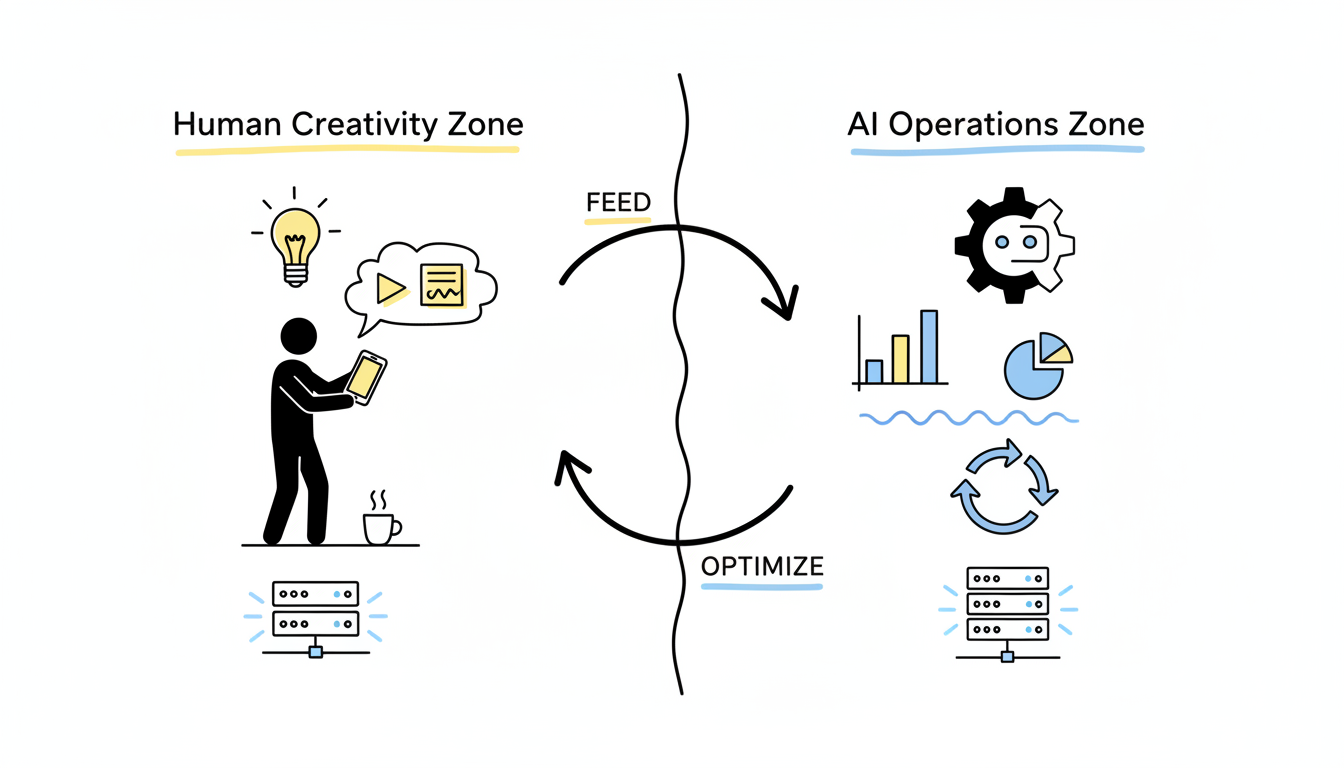
Rather than AI-generated content, the real AI opportunity is in workflow automation and optimization. Industry experts expect AI to help streamline social teams' pipelines and identify trends rather than generate actual content.
Practical AI applications for TikTok advertisers:
In 2026, multimodal AI helps brands vet creators for brand safety and value alignment. This technology analyzes video content, comments, and engagement patterns to identify creators who genuinely match brand values—reducing partnership risks. For brands exploring TikTok influencer marketing agencies 2026, this capability is becoming an essential part of creator partnership strategies.
TikTok is taking steps to make AI-generated content easier to identify. According to TikTok's Global Head of Brand Safety, transparency around AI-generated content drives trust. Expect clearer labeling and disclosure requirements throughout 2026.
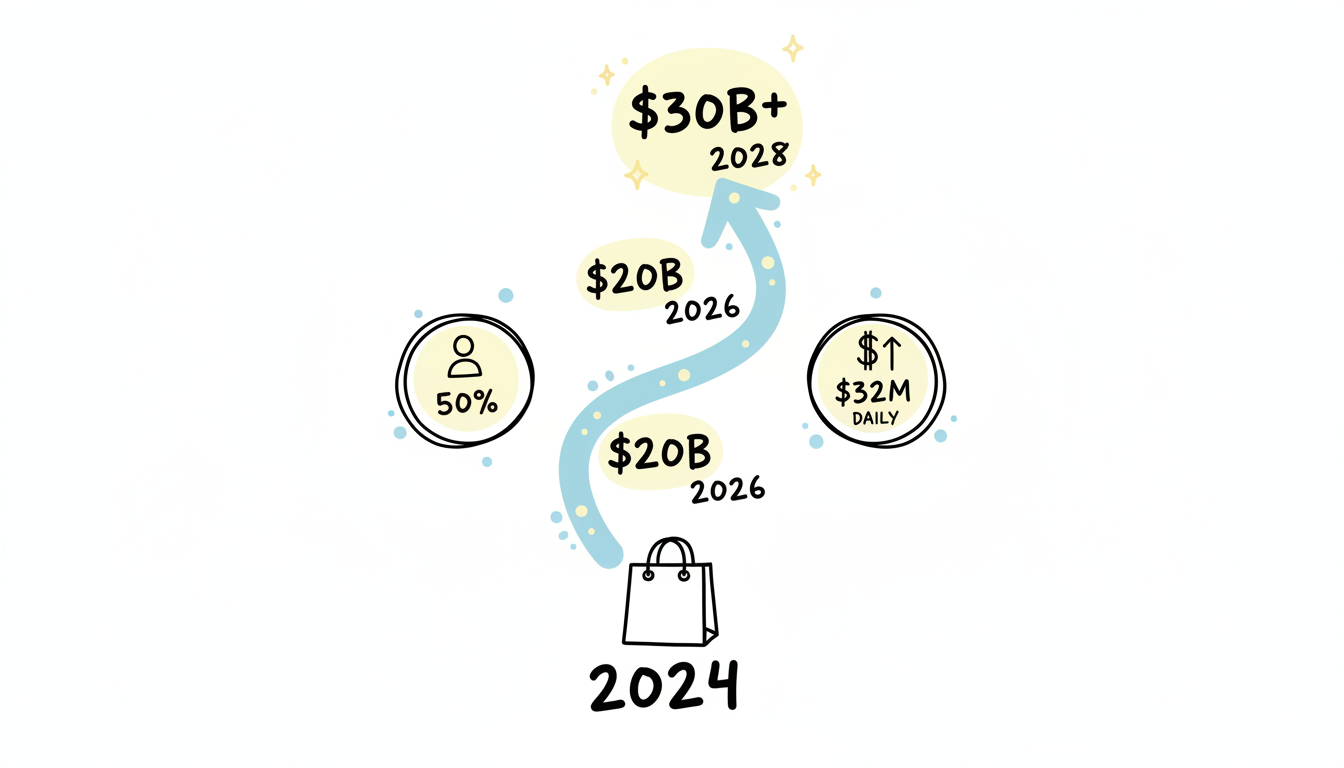
TikTok Shop represents the biggest advertising opportunity of 2026.
The numbers are staggering:
TikTok Shop now makes up nearly 20% of all social commerce, with the entire social commerce market projected to exceed $100 billion in 2026.
"TikTok's ability to blend shopping and entertainment is turning the platform into an e-commerce powerhouse," according to Rachel Wolff, retail and e-commerce analyst at Emarketer.
The key differentiator: seamless integration. Unlike traditional e-commerce where users leave to shop, TikTok Shop allows purchasing within the discovery experience. A creator showcases a product, viewers click the tag, review details, and purchase—all without leaving the app. This seamless approach makes TikTok Shop marketing strategy 2026 a critical focus for brands looking to capitalize on social commerce growth.
Live shopping is transitioning from novelty to standard practice. TikTok Live Shopping has 71.4 million social media shoppers estimated in 2025, with projections reaching 94.2 million by 2028.
Brands preparing for this trend are:
TikTok continues expanding its advertising toolkit.
Spark Ads—which boost existing organic content as paid ads—remain central to TikTok advertising. TikTok's Content Suite through TikTok One now helps brands find and amplify the best UGC to achieve more scale, making Spark Ads more accessible and effective.
Augmented reality is becoming a standard layer in how consumers discover and evaluate products. Expected developments include:
TikTok is developing AI chatbots to help with product selection within the app. These assistants will recommend products based on browsing behavior, answer questions, and streamline the purchase process.
Recurring purchases built into the TikTok ecosystem represent an emerging opportunity. Brands selling consumable products can build subscription options directly into their TikTok Shop presence.
Several platform changes will impact advertisers throughout 2026.
TikTok's creator economy continues expanding:
This means more partnership opportunities at every budget level. Brands can leverage the TikTok Creator Marketplace guide to identify and collaborate with creators that align with their values and target audiences.
TikTok's audience continues maturing:
For advertisers, this means TikTok is increasingly viable for products beyond youth-focused categories.
For TikTok Shop sellers, AI-powered fulfillment is becoming essential. Early adopters use AI to predict viral products, automate inventory, and personalize packaging. This operational capability increasingly separates successful TikTok Shop sellers from strugglers.
To capitalize on TikTok marketing trends in 2026, brands should focus on several key areas.
With AI content flooding feeds, human authenticity becomes your competitive advantage. Invest in:
Understanding TikTok ad creative best practices 2026 can help you balance authenticity with performance-driven creative strategies.
If you sell products, TikTok Shop is no longer optional. Start with:
Use AI tools to:
But keep content creation human-driven.
Consumers now research products across Google, TikTok, Instagram, Pinterest, YouTube, and AI assistants—often simultaneously. Ensure your brand is discoverable wherever your audience searches.
TikTok Shop's explosive growth is the defining trend. With sales forecast to exceed $20 billion and half of U.S. social shoppers expected to purchase on TikTok, social commerce integration is reshaping how brands advertise on the platform.
AI is primarily transforming backend operations—trend prediction, audience segmentation, creative testing, and analytics—rather than content creation. Experts predict AI tools will streamline pipelines and identify trends rather than generate actual content, as authentic human content remains more effective.
Both have their place. While short-form remains TikTok's foundation, longer-form storytelling is seeing a resurgence as Gen Z audiences seek deeper connection and differentiation from AI-generated content floods. Test both formats with your audience.
By submitting this form, you agree to our Privacy Policy and Terms & Conditions.



