
February 19, 2026


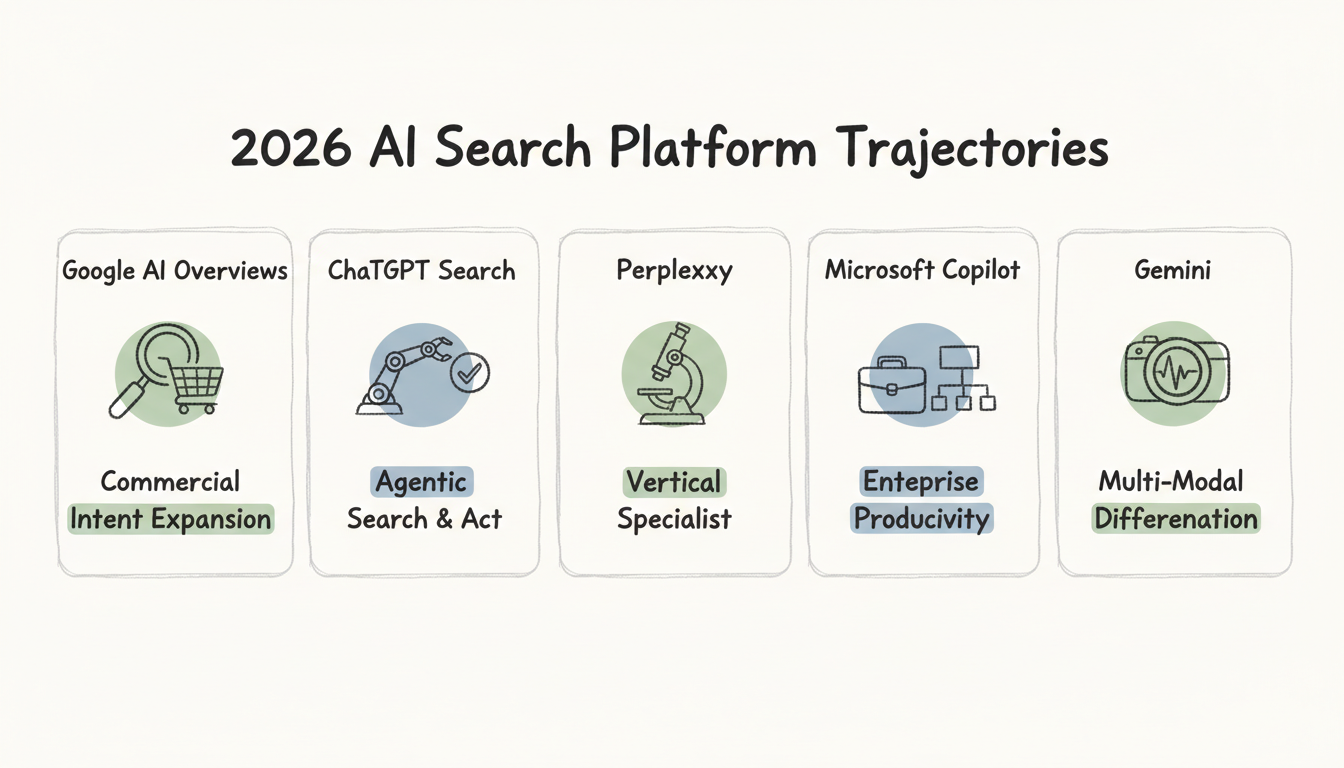
The AI search landscape has fundamentally shifted from basic keyword matching to prioritizing user intent and delivering conversational, synthesized responses. Google AI Overviews, ChatGPT Search, Perplexity, Microsoft Copilot, and Gemini each represent distinct visions for how humans will find information. As these platforms mature through 2026, their trajectories will reshape optimization strategies for organizations seeking AI visibility.
Understanding where each platform stands today provides context for predicting where they're heading.
Google's dominant position: AI Overviews became one of the most disruptive changes in Google Search history, integrating directly into the world's largest search engine. Google's advantage lies in existing user behavior, advertising infrastructure, and the knowledge graph built over two decades. AI Overviews don't replace Google—they extend it.
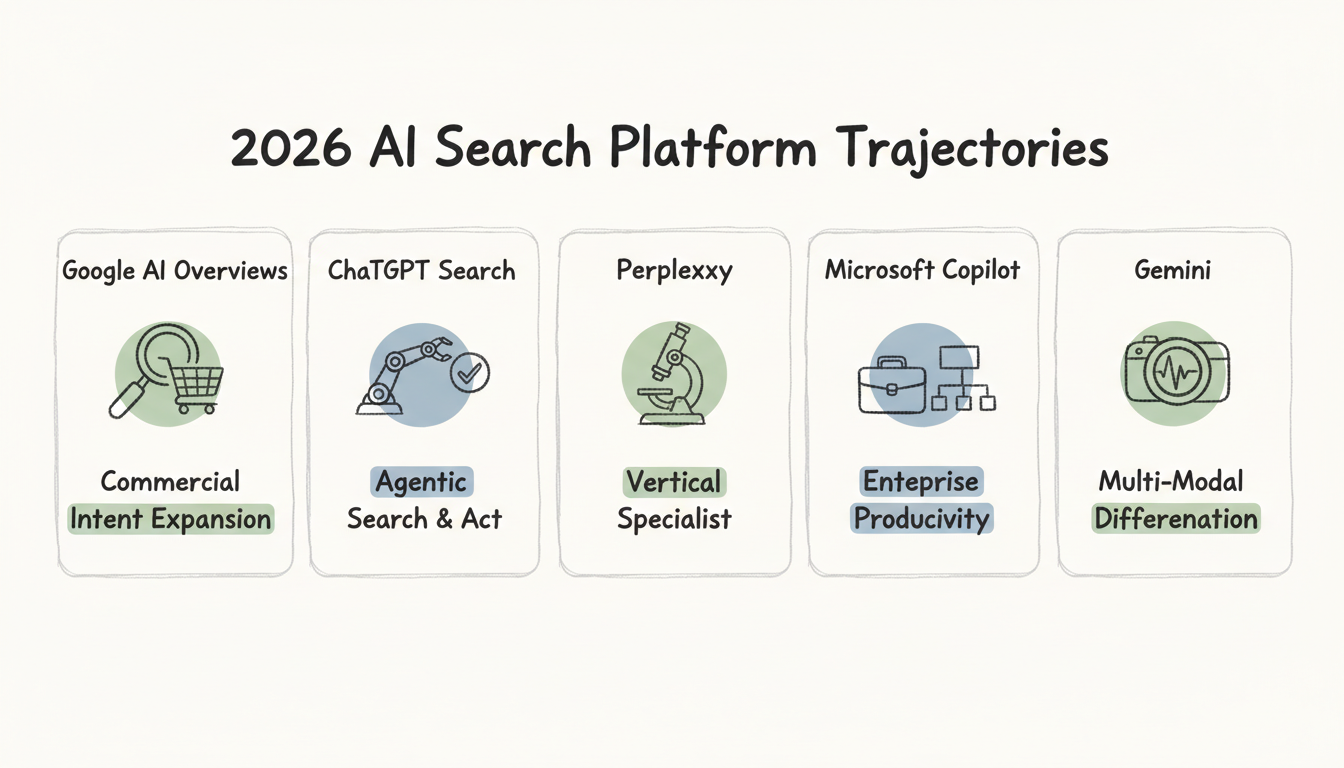
ChatGPT's rapid growth: ChatGPT Search has fundamentally shifted how millions discover information. With agentic browsing capabilities expanding, ChatGPT moves beyond answering questions toward taking actions on users' behalf. This evolution from information retrieval to task completion represents the platform's strategic direction.
Perplexity's differentiation: Perplexity AI operates as a conversational search engine that cites sources prominently, positioning itself as a research companion rather than a general-purpose chatbot. Its focus on verifiable answers with linked citations appeals to users seeking trustworthy information.
Copilot's enterprise integration: Microsoft Copilot gains advantage through deep integration with Microsoft 365 products used by hundreds of millions of enterprise workers. Its trajectory emphasizes productivity workflows rather than general web search.
Gemini's multi-modal evolution: Google's Gemini positions itself as a multi-modal assistant capable of processing text, images, video, and code. Its integration across Google's ecosystem—Android, Workspace, Cloud—creates distribution advantages competitors struggle to match.
Each platform will evolve along distinct paths shaped by their strategic priorities and competitive positioning.
Prediction: Deeper integration with commercial intent queries
AI Overviews will expand beyond informational queries into shopping, services, and high-consideration purchases. Google's advertising business model demands monetization pathways, and AI Overviews will increasingly incorporate sponsored answers and commercial recommendations.
Strategic implications:
What won't change: Google will continue prioritizing established, authoritative sources in AI Overviews. The correlation between strong organic rankings and AI Overview citations will persist, making traditional SEO investment complementary rather than redundant.
Prediction: Evolution toward agentic search-and-act workflows
ChatGPT will move beyond providing information toward completing tasks. Users will ask ChatGPT not just "where can I buy running shoes" but "find running shoes in my size, compare prices, and order the best value." This agentic capability transforms search into commerce.
Strategic implications:
What won't change: ChatGPT will continue citing web sources for factual claims, maintaining the importance of high-quality content that establishes brand authority and provides citable information.
Prediction: Expansion into specialized vertical search
Perplexity will differentiate from ChatGPT by developing deep expertise in specific verticals—academic research, medical information, financial analysis, legal research. Specialized accuracy in high-stakes domains creates defensible positioning against general-purpose competitors. Organizations implementing Perplexity SEO optimization strategies must focus on domain-specific authority and verifiable citations.
Strategic implications:
What won't change: Perplexity's citation-forward approach will continue rewarding content that provides verifiable, attributable information with clear sourcing.
Prediction: Dominance in enterprise productivity search
Copilot will focus less on competing with Google for web search and more on owning enterprise information retrieval. Finding information within organizational documents, emails, and databases—then helping workers act on it—represents Copilot's strategic territory.
Strategic implications:
What won't change: Copilot's consumer search presence will remain limited compared to ChatGPT or Google, making it a secondary priority for most B2C optimization efforts.
Prediction: Multi-modal search as primary differentiator
Gemini will emphasize capabilities competitors lack—processing video content, analyzing images, and integrating with Android's device-level context. Visual and voice search optimization becomes essential for Gemini visibility.
Strategic implications:
What won't change: Gemini inherits Google's existing signals and ranking factors, meaning strong organic presence supports Gemini visibility as it does AI Overviews.
Several developments will affect all AI search platforms regardless of their specific positioning.
When AI provides incorrect information about your brand, customers lose trust in you—not just the platform. Organizations must proactively manage their digital presence to ensure AI systems surface accurate brand information. Inconsistent data across platforms creates AI confusion that damages brand reputation.
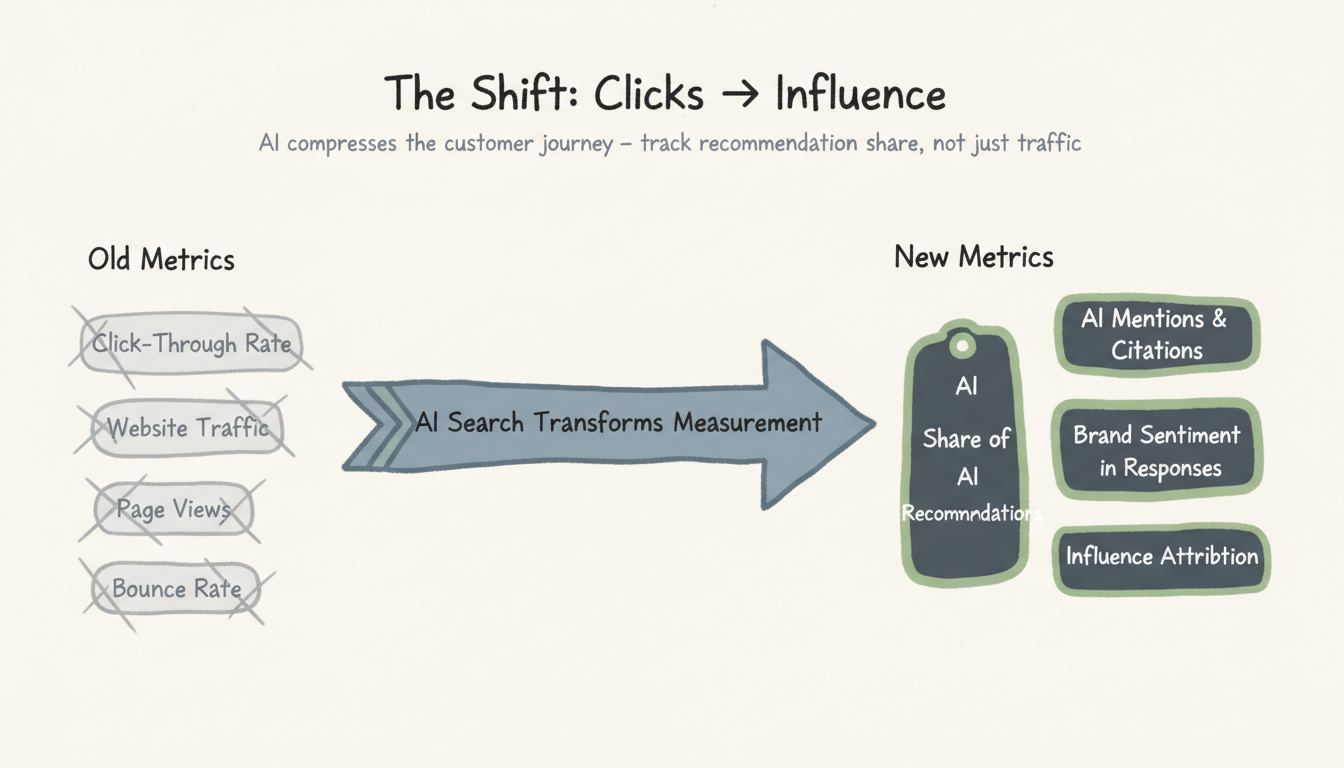
AI search compresses the customer journey. Users may receive comprehensive answers without visiting websites. The metric that matters shifts from traffic to influence—whether AI platforms recommend your brand when users seek solutions you provide.
Measurement evolution:
AI systems increasingly distinguish between high-volume content factories and authoritative sources with genuine expertise. Google's Helpful Content updates specifically targeted sites producing AI content without human expertise or editorial oversight. This pressure toward quality over quantity will intensify.
The winning approach: Focus on creating content demonstrating genuine expertise, offering unique insights, and serving specific user intent comprehensively. AI systems will increasingly devalue content that could have been produced by anyone.
AI platforms rely on entity understanding to determine which sources to cite. Organizations developing a knowledge graph in SEO must establish clear entity identity through consistent structured data, authoritative mentions across trusted sources, and coherent brand presence. Being "remembered by AI" requires entity recognition that persists across training updates.
Organizations should prepare for 2026's AI search landscape through several initiatives.
Clean, consistent data: Ensure brand information—name, location, offerings, pricing, availability—remains accurate and consistent across every web property AI systems crawl. Inconsistency confuses AI and undermines visibility.
Multi-platform presence: Optimize for multiple AI platforms rather than betting on a single winner. A comprehensive multi-platform AI search optimization strategy is essential because Google, ChatGPT, and Perplexity each serve different user contexts. Diversified visibility hedges against platform-specific volatility.
Authority building: Invest in genuine expertise signals—author credentials, editorial processes, original research, and industry recognition. AI systems increasingly weight authority signals when choosing citation sources.
Measurement infrastructure: Build capability to track AI mentions, citations, and brand sentiment across platforms. Traditional analytics miss AI-influenced decisions. New measurement approaches must capture influence beyond direct traffic.
Organizational integration: AI search success requires coordination across SEO, content, PR, brand, and product teams. Siloed optimization efforts underperform integrated approaches that build authority across every surface AI systems evaluate. Organizations addressing AEO challenges must break down departmental silos and create integrated workflows.
No. AI search tools will match Google's answer quality for specific query types, but not its overall reach or usage. Google's distribution advantage—billions of daily users with ingrained behavior—persists. AI Overviews integrate AI capability into Google's existing dominance rather than competing against it. Competing AI tools will gain usage in specific workflows without displacing Google's core position.
Google AI Overviews deserve primary attention because strong organic presence correlates with AI Overview citations, and Google's reach exceeds all competitors combined. Secondary priority depends on your audience—ChatGPT for consumer audiences, Copilot for enterprise B2B, Perplexity for research-oriented verticals. Multi-platform optimization hedges risk better than single-platform bets.
Zero-click answers will increase as AI platforms provide comprehensive responses without requiring site visits. However, users who do click through from AI recommendations demonstrate higher intent and convert better. Optimize for influence and citation rather than click volume. Brands that AI platforms recommend will capture disproportionate share of the clicks that remain.
By submitting this form, you agree to our Privacy Policy and Terms & Conditions.



