February 19, 2026


A new acronym has entered the marketing vocabulary: GEO. Unlike the geographic connotation the term might suggest, GEO in marketing stands for Generative Engine Optimization—the practice of optimizing content so AI systems cite, recommend, and reference your brand when answering user questions.
According to Storyblok's GEO guide, generative engine optimization is the practice of optimizing website content so it's more likely to be used or cited by generative engines like ChatGPT, Perplexity, Google's Gemini (AI Overviews), or Claude.
GEO—Generative Engine Optimization—is the marketing discipline focused on improving brand visibility within AI-powered search systems. While traditional SEO aims to rank web pages in search engine results, GEO aims to get your content selected as the source AI systems use when generating answers.
According to eMarketer's 2026 analysis, success in modern marketing depends on treating AI as a branding channel, managing generative engine optimization separately from SEO, and adapting fast as AI models evolve. Fewer than 10% of sources cited in ChatGPT, Gemini, and Copilot rank in the top 10 Google organic search results—meaning AI SEO software alone won't guarantee AI visibility.
Key distinction:
According to Profound's GEO framework, generative engine optimization is now essential to secure citations in AI-powered answers and drive increased revenue and mindshare from LLMs. As search evolves from blue links to intelligent responses, brands that fail to optimize for AI discovery risk invisibility.
Marketing impact of GEO:
Factor | Impact |
Discovery channel shift | Users finding answers in ChatGPT, not Google |
Zero-click answers | Information delivered without website visits |
Citation authority | AI systems choosing which brands to recommend |
Competitive advantage | Early adopters capturing AI visibility |
According to PR News Online's 2026 analysis, a Geostar guide states that brands can boost brand citations in AI search by over 150% through GEO strategies. Brands that treat AI engines as a core discovery channel will outperform those focused exclusively on traditional SEO.
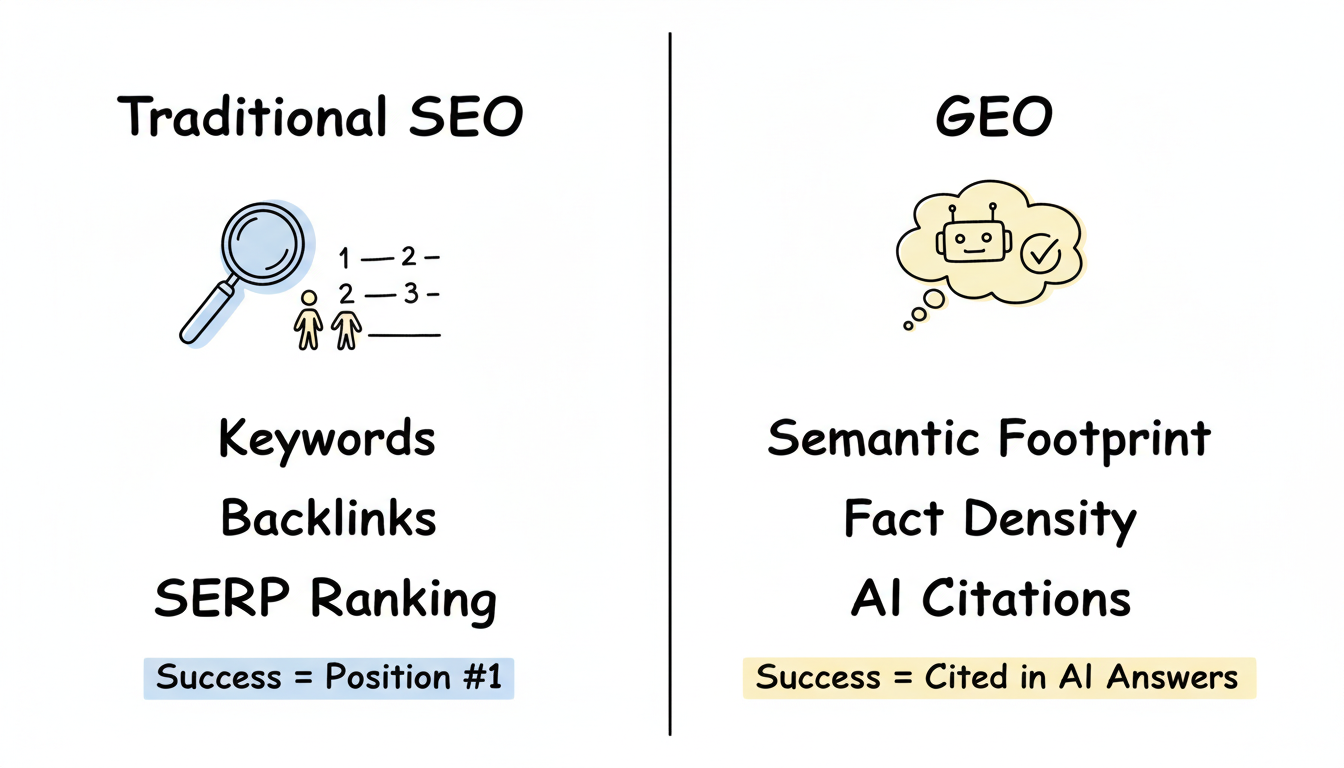
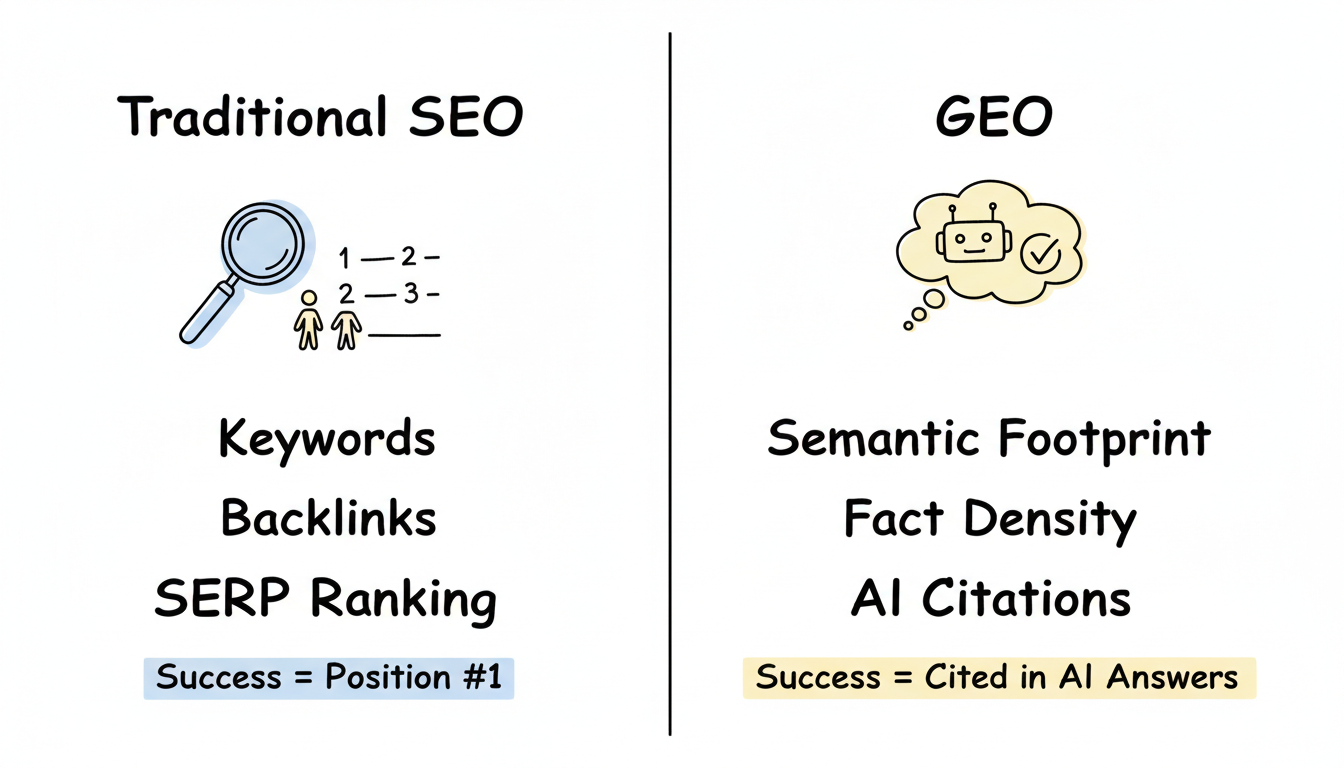
According to Go Fish Digital's GEO strategies guide, unlike traditional SEO where ranking hinged on keywords, backlinks, and page authority, Generative Engine Optimization is about making content retrievable, re-rankable, and reference-worthy inside AI-generated answers.
Comparison:
Aspect | Traditional SEO | GEO |
Goal | Rank web pages | Get cited in AI answers |
Success metric | Position in SERPs | Citation frequency |
Optimization focus | Keywords, links | Semantic footprint, fact density |
Discovery method | Search results click | AI-generated recommendation |
Traffic pattern | Website visits | May bypass website entirely |
According to Ann Smarty's LinkedIn analysis, GEO is optimizing for generative AI. The core principle remains the same: SEOs reconcile the needs of machines and humans, whether it's traditional search or a generative AI platform.
Understanding the relationship between AEO vs SEO vs GEO becomes crucial as marketers navigate these overlapping optimization strategies.
According to Botify's 2026 GEO strategy guide, GEO uses an understanding of how LLMs source, use, and serve content to guide tactics and strategy. AI bots and agents need to find and understand your content to summarize and cite it in conversations—similar to how search bots need access for indexing and ranking.
How AI systems select sources:
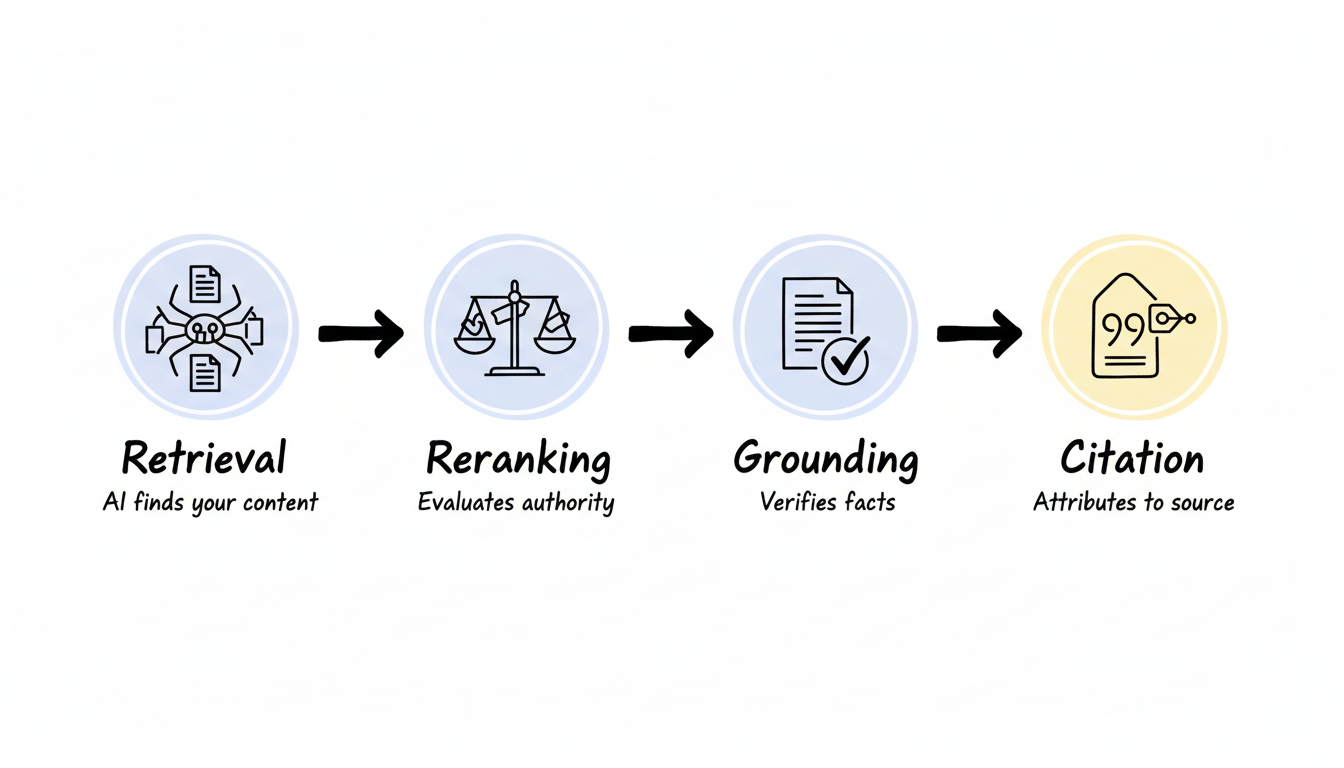
According to Go Fish Digital, GEO strategies focus on expanding semantic footprint, improving fact-density, and enhancing structured data signals so AI systems recognize and use content as authoritative input.
According to Profound, GEO focuses on optimizing brand content for AI engines like ChatGPT, Google Gemini, Google AI Mode, and Perplexity. Unlike generative SEO, GEO is a comprehensive strategy to improve AI visibility, answer engine optimization, and citation authority across every customer touchpoint.
Essential GEO tactics:
According to Education Dynamics' GEO analysis, GEO tools analyze search intent more precisely, allowing marketers to choose keywords that reflect how users actually search and create content that directly answers queries. Implementing AEO schema markup priority ensures AI systems can properly understand and extract your content.
According to PR News Online, organizations should create a GEO scorecard (AI Visibility Index) and place GEO metrics alongside SEO metrics for a complete view of brand visibility, narrative control, and demand creation.
Implementation framework:
Phase 1: Assessment
Phase 2: Optimization
Phase 3: Measurement
According to Search Engine Land's 2026 planning guide, GEO is changing where discovery happens—from search engines to social and AI. The brands that plan now will own visibility in 2026.
According to Storyblok, as website traffic declines and users find answers without clicking through, conversion rate becomes even more crucial for knowing how effective content performs in generative engines for users ready to buy.
Key GEO metrics:
Metric | What It Measures |
Citation frequency | How often AI mentions your brand |
Citation accuracy | Whether AI represents your brand correctly |
Share of voice | Your visibility vs. competitors in AI responses |
AI referral traffic | Visitors coming from AI platforms |
Answer appearance rate | How often you appear in AI answers |
According to PR News Online, advanced GEO tools increasingly provide insight into which journalists, outlets, and websites shape AI understanding of a brand. Using AI citation tracking tools helps marketers monitor and optimize their GEO performance across platforms.
According to WSI World's 2026 predictions, finding a balance between automation and authenticity determines which businesses are trusted, cited, and surfaced by AI search systems.
Integration approach:
According to Botify, a GEO-first, SEO-strong strategy builds unified visibility for 2026. Many GEO tactics align with classic SEO practices—the disciplines reinforce rather than replace each other.
According to First Page Sage's AI search optimization guide, mentions in authoritative lists are one of the most important ranking factors across AI platforms. Building presence where AI systems look for authority becomes critical.
2026 GEO trends:
According to Angell Marketing's GEO definition, generative engine optimization is the practice of structuring content so AI systems can find, understand, and cite it accurately.
Understanding GEO meaning in marketing is essential for 2026 visibility:
According to eMarketer, generative AI is transforming how consumers discover products and brands earn visibility. Marketing success now depends on understanding and implementing GEO alongside traditional optimization strategies.
By submitting this form, you agree to our Privacy Policy and Terms & Conditions.