February 19, 2026


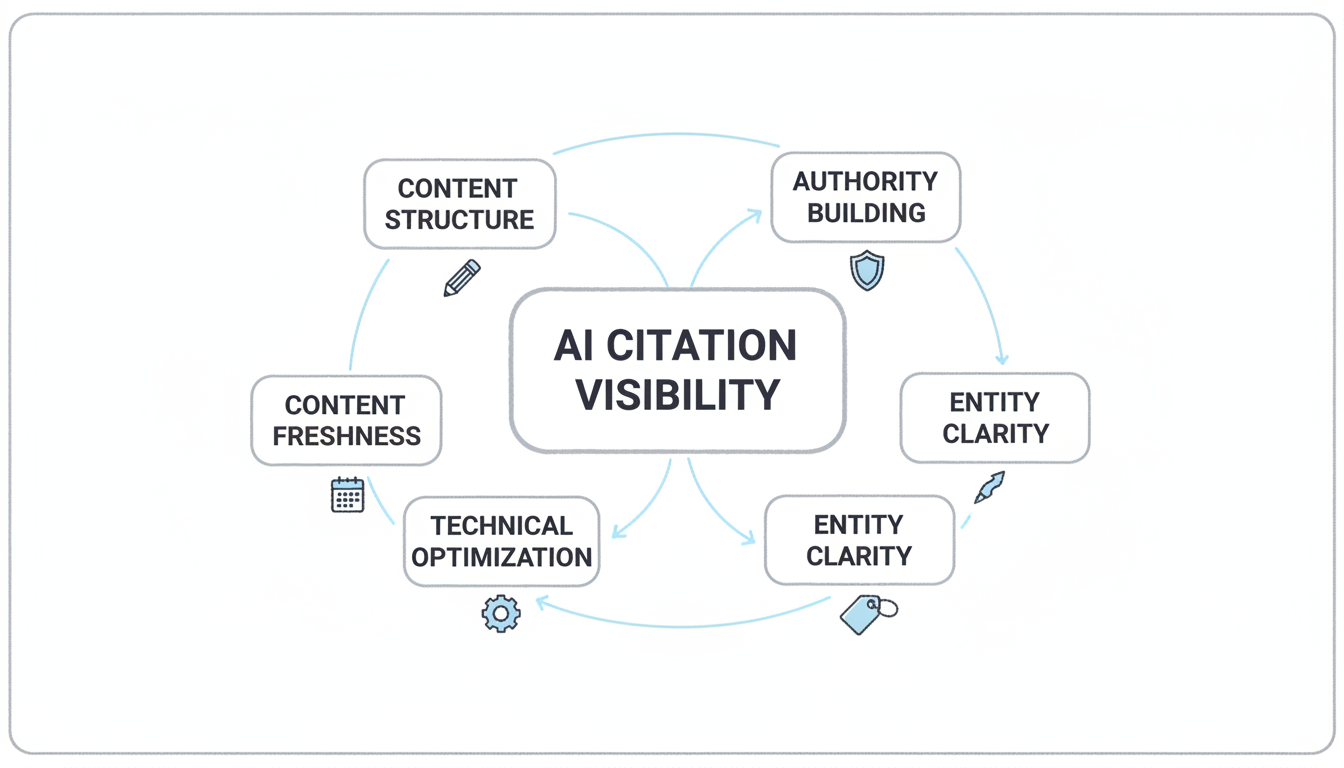
GEO optimization techniques help brands appear in AI-generated responses across ChatGPT, Perplexity, Google AI Overviews, and other platforms. Unlike traditional SEO tactics focused on ranking in result lists, these techniques target citation by AI systems when they synthesize answers to user queries. This guide covers practical methods you can implement immediately to improve AI visibility.
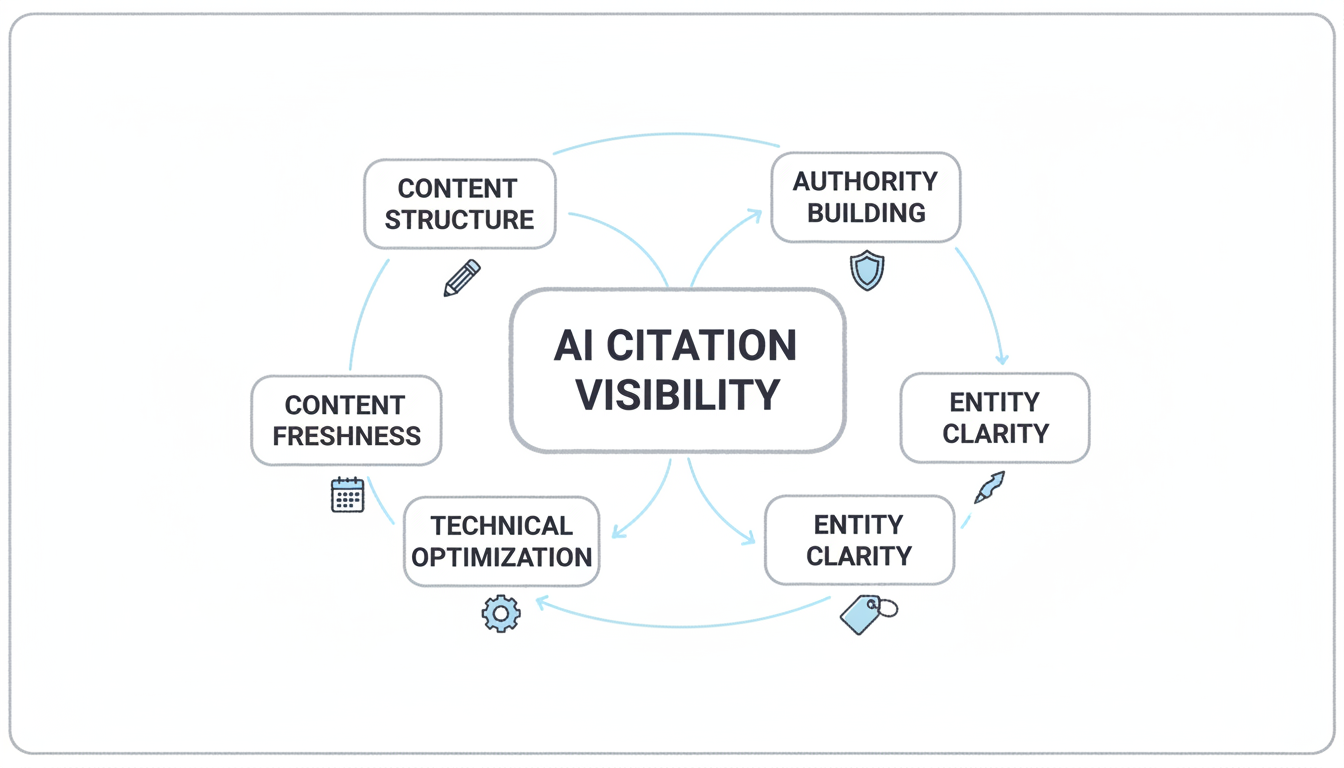
How content is organized directly affects whether AI systems can extract and cite it effectively.
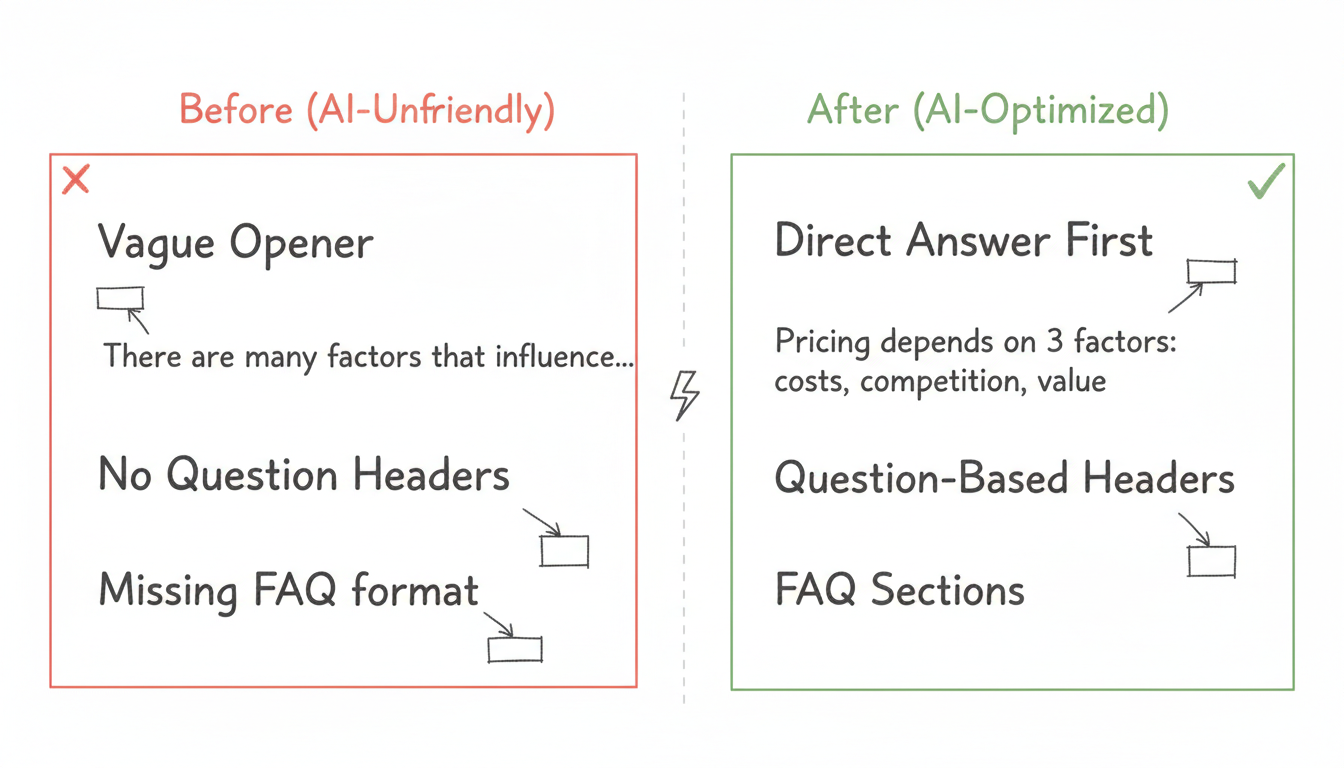
AI systems often extract opening statements from sections as citations. Structure content so the first 40-60 words of each section provide direct, complete answers to the questions users ask.
Before optimization: "There are many factors that influence pricing decisions, and understanding these factors requires considering various aspects of the market and competitive landscape."
After optimization: "Pricing decisions depend on three primary factors: production costs, competitive positioning, and perceived customer value. Each factor requires specific analysis approaches."
The optimized version gives AI systems a clear, quotable statement rather than vague introductory text.
AI platforms receive conversational queries. Headers that mirror how users actually phrase questions increase citation likelihood.
Instead of: "Pricing Considerations" Use: "What factors determine product pricing?"
Instead of: "Implementation Timeline" Use: "How long does implementation take?"
This alignment between user queries and content headers helps AI systems match your content to relevant questions.
Certain content formats extract cleanly into AI responses:
Definition statements work well when they follow a clear pattern: "X is [definition]. It [key characteristic]."
Numbered lists provide structured information AI systems can reference completely or partially.
Comparison tables help AI systems communicate differences between options clearly.
FAQ sections offer pre-packaged question-answer pairs that match conversational queries directly.
AI systems prioritize sources they assess as authoritative. Several techniques strengthen authority signals.
AI systems recognize expertise patterns. Brands that demonstrate deep knowledge in specific areas earn citations more frequently than those covering broad topics superficially.
Identify 3-5 core topics where you can demonstrate genuine expertise. Create comprehensive content clusters around these topics. Ensure every piece within a cluster reinforces your authority in that specific area.
This focused approach creates stronger signals than scattered content across unrelated topics. For startups building authority in emerging AI search spaces, consider implementing AEO marketing strategies to establish topical expertise efficiently.
AI systems assess authority partly through external mentions and citations. When respected publications reference your brand or content, AI systems gain confidence citing you.
Techniques for earning validation include:
The goal isn't volume of mentions but quality and relevance of sources mentioning you.
AI systems learn by observing patterns across the web. When your messaging varies significantly across different properties, the signal weakens.
Audit your digital presence for consistency:
Inconsistency creates confusion for AI systems trying to understand what you represent.
AI systems work with entities—distinct brands, products, people, and concepts. Clear entity definition improves citation accuracy and frequency.
Schema markup provides explicit signals helping AI systems understand your entity. Implement appropriate schema types:
Complete schema implementation gives AI systems structured data to reference rather than requiring inference from unstructured content.
Verify your business information appears consistently across all properties:
Discrepancies create uncertainty. AI systems cite sources they can confidently identify.
Google's Knowledge Panel and Wikipedia presence influence how AI systems understand your entity. While you can't directly control these, techniques that support them include:
Technical factors affect whether AI systems can access and process your content.
Verify your robots.txt doesn't block AI crawlers:
Blocking these crawlers eliminates visibility opportunities on their respective platforms.
AI crawlers typically don't execute JavaScript. Content requiring client-side rendering may not be indexed.
For critical content:
Slow-loading pages may not be fully crawled. Standard Core Web Vitals optimization supports AI crawler access alongside user experience.
AI systems incorporate content freshness into source selection, particularly for time-sensitive topics.
Establish refresh schedules for key content:
Dated content loses citation priority to fresher alternatives covering the same topics. To ensure your generative engine content strategy remains effective, build regular content audits into your workflow.
Clear dating helps AI systems assess content currency. Include both original publication dates and last-updated dates where relevant.
When new developments occur in your expertise areas, publishing authoritative content promptly positions you as a source before competitors establish themselves.
GEO succeeds through coordinated presence across channels, not isolated content optimization.
Traditional SEO success enables GEO visibility. Research shows 87% of Google AI Overview citations come from content ranking in organic positions 1-10. SEO optimization creates the foundation GEO builds upon. Understanding the differences outlined in what is AEO vs SEO helps teams allocate resources effectively across both disciplines.
Media mentions reinforce authority signals. When launching important content, coordinate PR outreach to amplify reach and earn external validation.
While social signals don't directly influence AI citations, social engagement can drive traffic and backlinks that strengthen authority signals AI systems do recognize.
Track metrics that indicate whether techniques produce results:
Citation frequency changes show whether optimization efforts translate to more AI mentions.
Query coverage expansion reveals whether you're appearing for more relevant queries over time.
Citation context quality indicates whether you're cited as a primary authority or briefly mentioned.
Competitive position shifts document progress against competitors for priority queries.
Adjust technique emphasis based on what produces measurable improvements. For comprehensive tracking approaches, explore AEO measurement tracking methods that capture both quantitative and qualitative citation data.
Content structure improvements—adding direct answer statements, question-based headers, and FAQ sections—often show results within weeks as AI systems reprocess existing content. Authority building requires longer timelines as external signals accumulate.
No. GEO techniques extend traditional SEO rather than replacing it. Strong organic rankings create the authority foundation that enables AI citations. Implement both disciplines together for comprehensive visibility.
Start with content structure optimization for your highest-priority pages. Add authority building and entity clarity techniques as resources allow. Attempting too many changes simultaneously makes it difficult to identify what produces results.
By submitting this form, you agree to our Privacy Policy and Terms & Conditions.