February 19, 2026


TikTok has become the go-to platform for fitness content, with workout videos, transformation stories, and gym culture dominating the For You page. For fitness brands looking to reach motivated, health-conscious consumers, TikTok ads for fitness offer unmatched engagement and conversion potential. This guide breaks down exactly how to build a winning TikTok strategy for your fitness business.
Fitness content thrives on TikTok because the platform rewards authentic, relatable moments over polished productions. The #fitness hashtag has accumulated over 500 billion views, making it one of the most popular content categories on the platform.
Several factors make TikTok ideal for fitness marketing:
TikTok users actively seek fitness inspiration. 56% of users open TikTok specifically to discover something new, and fitness content consistently ranks among the most-searched categories.
The platform's fitness audience has expanded significantly:
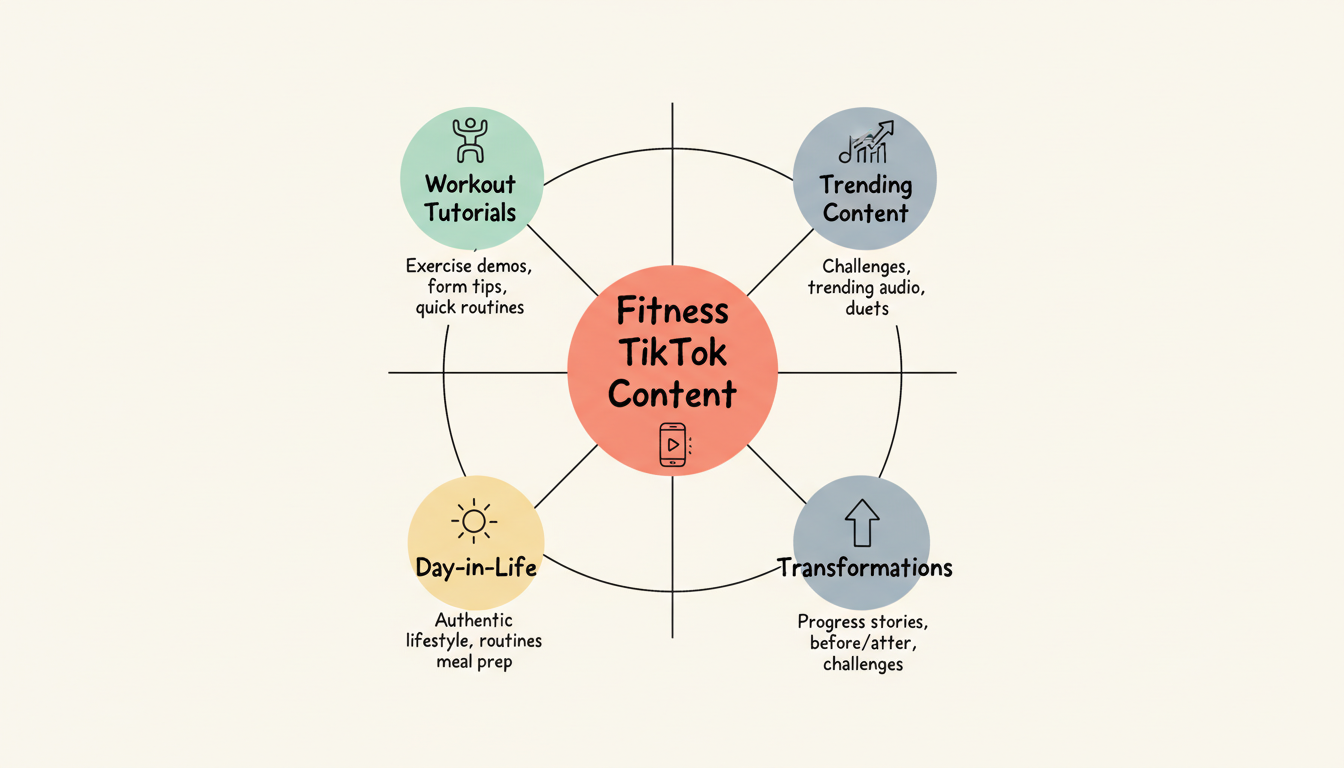
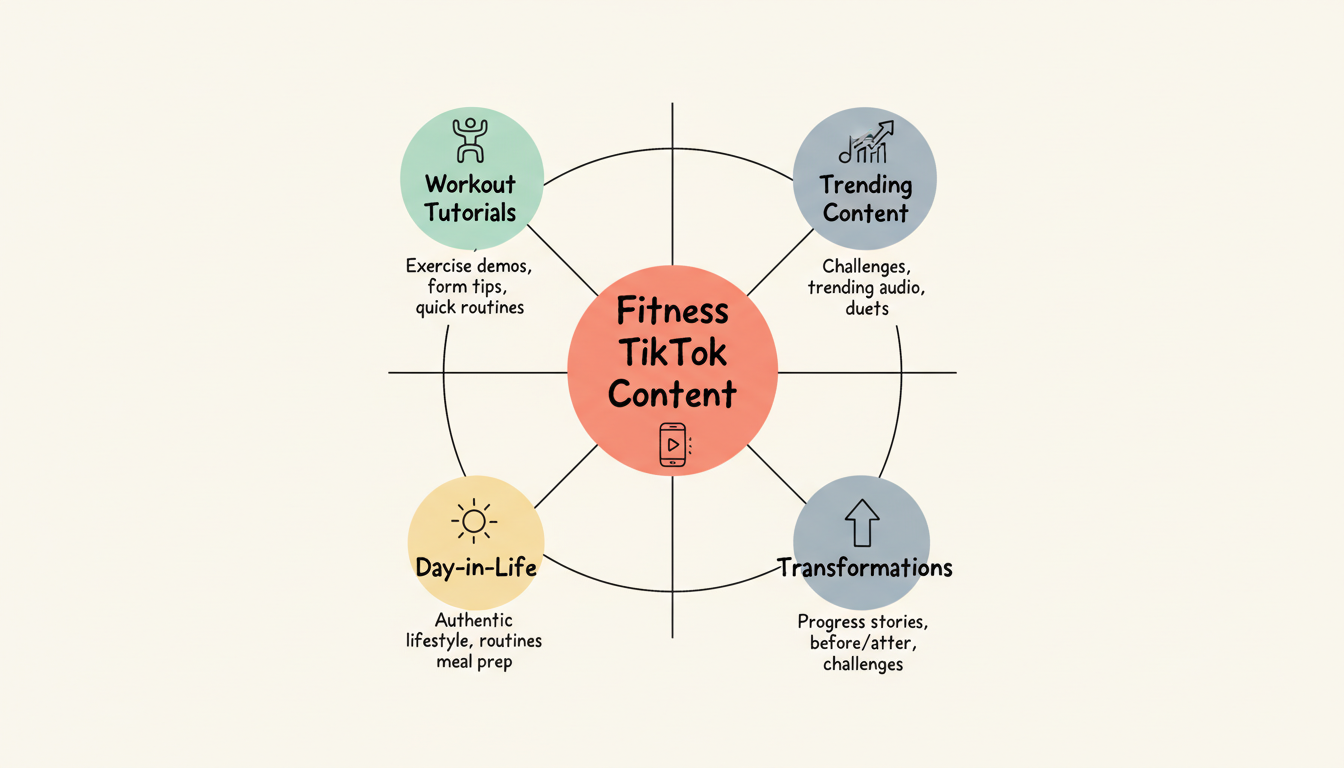
Successful gym TikTok marketing requires content that feels native to the platform. Here are proven content formats:
Short, punchy exercise demonstrations work exceptionally well:
Authentic glimpses into fitness lifestyles resonate with audiences:
Results-driven content generates high engagement:
Leverage TikTok's trend-driven nature:
Influencer marketing is essential for fitness brands on TikTok. 89.2% of marketers in 2025 considered influencer marketing effective, and fitness is among the top-performing verticals.
Look for influencers who align with your brand:
Common collaboration models for fitness brands:
Type | Best For | Typical Cost |
Sponsored posts | Product awareness | $500-$5,000+ per post |
Affiliate programs | Performance-based sales | 10-20% commission |
Brand ambassadors | Long-term relationships | Monthly retainer + products |
Spark Ads | Amplifying creator content | Ad spend + creator fee |
Spark Ads allow brands to boost organic creator content as paid ads. This format is particularly effective for fitness because:
For more details on maximizing this ad format, see our complete TikTok Spark Ads guide.
Local gyms and fitness studios can use TikTok effectively with location-targeted strategies.
TikTok's advertising platform supports geographic targeting:
Localized content ideas that drive memberships:
Structure campaigns around membership goals:
TikTok's average CPC of $0.50-$1.50 makes lead generation cost-effective for local fitness businesses. Understanding TikTok CPC benchmarks can help you budget more effectively.
Gymshark built their TikTok presence through community-first marketing. Instead of pushing product shots, they collaborated with fitness influencers to post workout routines, gym mishaps, and transformation stories.
Key tactics:
Result: Gymshark became one of the most recognized fitness apparel brands among Gen Z and millennials, with millions of followers across their TikTok presence.
BlendJet achieved over $100 million in sales with a TikTok-first strategy focused on their portable blender.
Their approach:
Peloton leverages their instructors as built-in influencers, creating personality-driven content that builds community connection beyond just workouts.
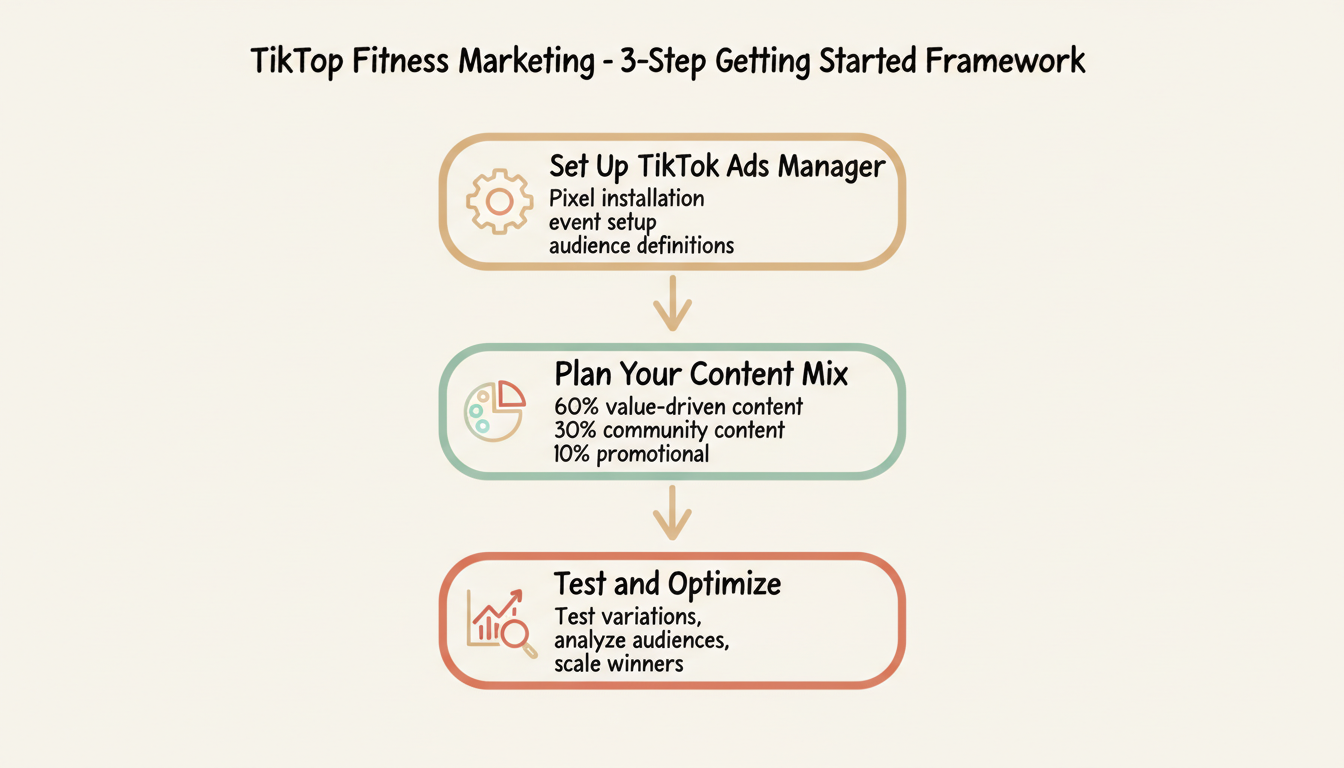
Create your TikTok for Business account and configure:
Balance your content calendar:
Start with smaller budgets to learn what resonates:
Apply TikTok A/B testing methodologies to continuously improve your creative performance.
Start with TikTok's minimum of $50 per day per ad group to test creative and audiences. Most fitness brands see meaningful data with $500-$1,000 in initial testing. Scale based on CPA and ROAS targets—successful fitness campaigns often reach $5,000-$20,000+ monthly.
In-Feed Ads and Spark Ads work best for most gyms. In-Feed Ads blend naturally with organic content, while Spark Ads let you amplify successful organic posts or creator content. For awareness campaigns, TopView ads deliver maximum visibility but require larger budgets.
TikTok skews consumer-focused, but B2B fitness brands can succeed by targeting gym owners and fitness professionals through interest-based targeting. Educational content about industry trends, equipment comparisons, and business tips can reach decision-makers, though LinkedIn may be more efficient for pure B2B.
By submitting this form, you agree to our Privacy Policy and Terms & Conditions.