
February 19, 2026


Last Updated: January 2026
AI content optimization focuses on structuring your content so AI search platforms can find, understand, and cite it. As ChatGPT, Perplexity, and Google AI Overviews become primary information sources, content that AI systems can easily extract gains visibility over content they struggle to parse.
This guide covers practical techniques for optimizing content structure, format, and elements for AI search visibility.
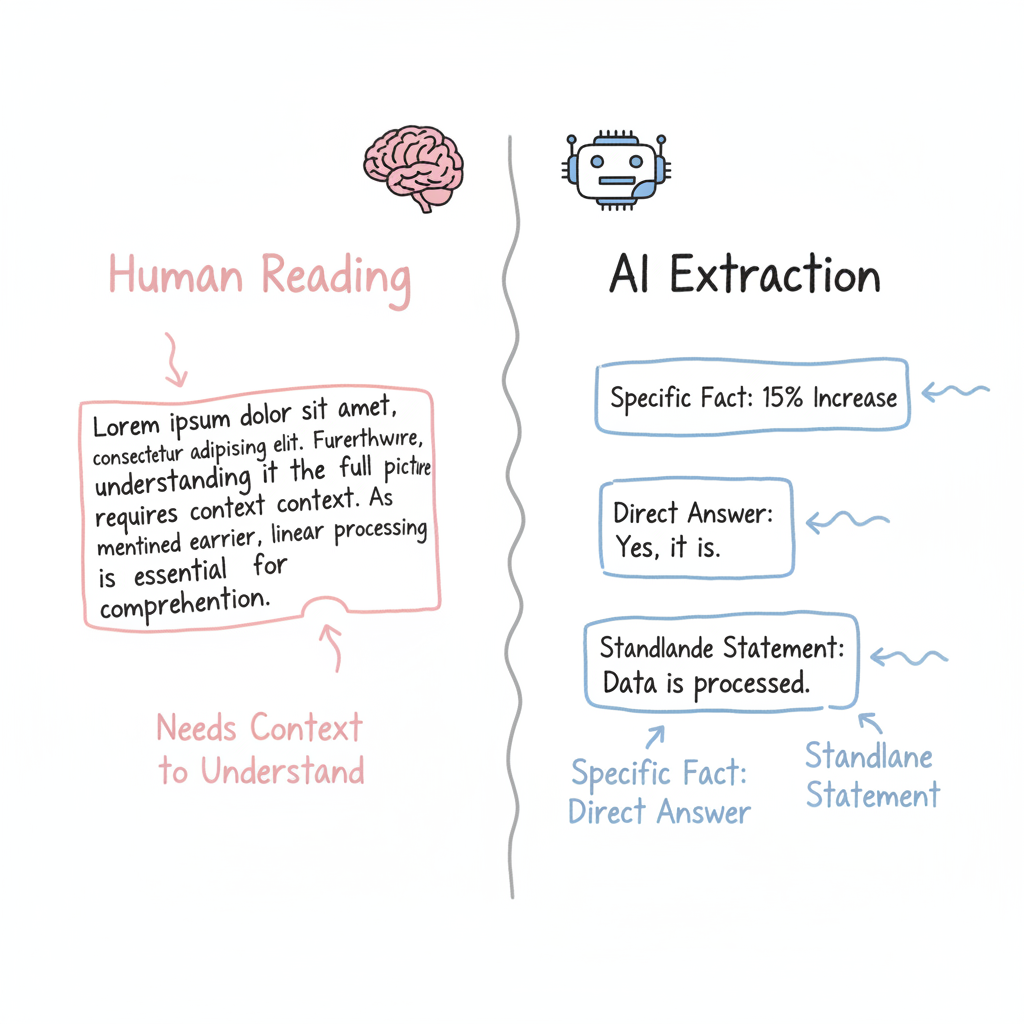
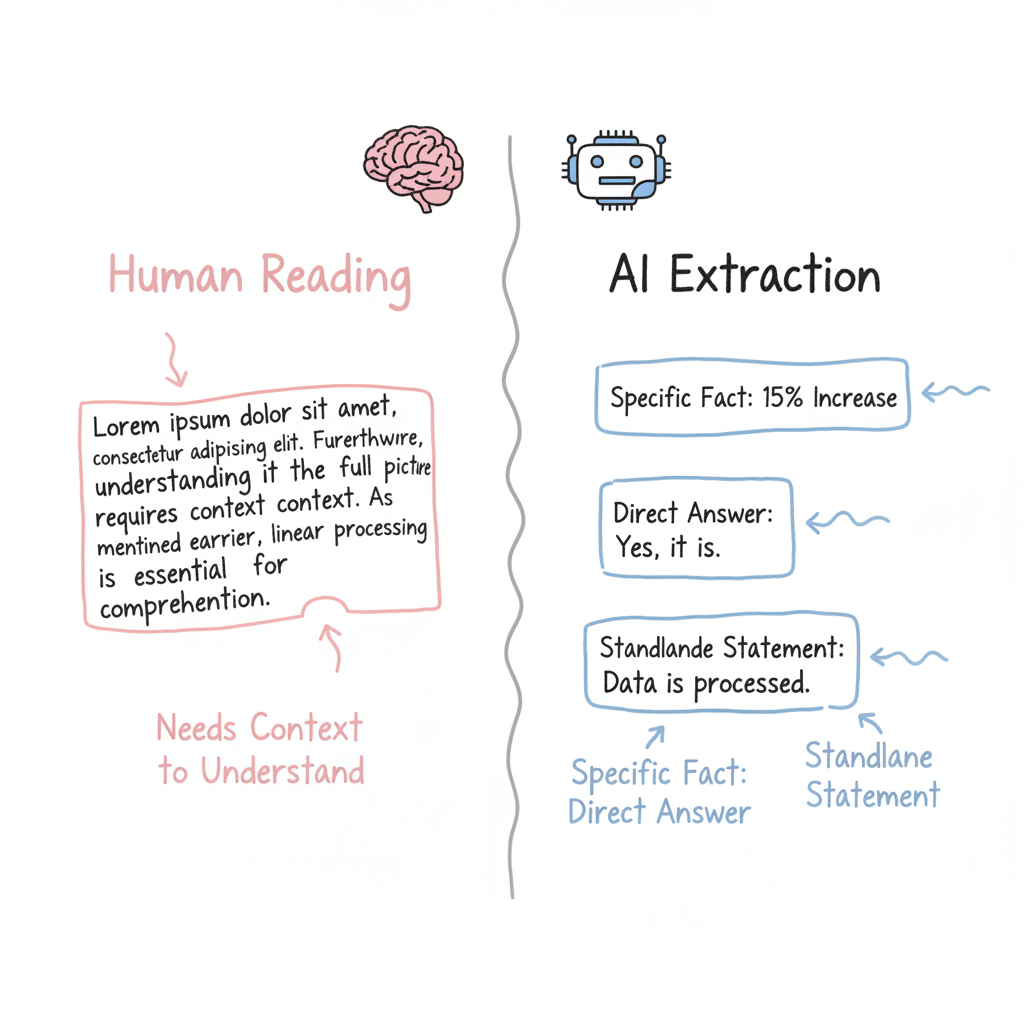
AI systems don't read content the way humans do. They extract specific passages to include in generated responses. A well-written article that lacks clear structure may rank well in traditional search but never get cited by AI platforms.
The extraction process favors:
Content optimized for AI extraction serves both purposes—it reads well for humans while being easily quotable by AI systems.
AI systems pull content at the paragraph level. Each paragraph should work as a standalone statement when extracted from surrounding context.
Before optimization:
"There are many factors to consider when thinking about this topic, and experts have debated various approaches over the years. Some believe one method works best while others prefer different techniques. The reality is that it depends on your specific situation."
After optimization:
"AI content optimization requires structuring paragraphs as standalone statements. Each paragraph should convey a complete idea that makes sense even when quoted independently from surrounding text."
The optimized version:
Place the most important information immediately after each heading. AI systems often extract opening sentences when generating responses, similar to how to optimize content for AI Overview strategies.
Structure pattern:
This pattern ensures that even if AI only extracts the first sentence, users receive valuable information.
Match headers to how users actually query AI systems. Research shows AI platforms favor content that directly addresses user questions.
Less effective:
"## Considerations for Implementation"
More effective:
"## How Do You Implement AI Content Optimization?"
Question-based headers signal to AI systems that the following content answers that specific query.
AI systems prefer citing content with specific, verifiable information over vague claims.
Vague:
"AI search is growing rapidly and becoming more important."
Specific:
"ChatGPT processes over 1 billion weekly searches, while Google AI Overviews now appear on an increasing percentage of informational queries."
Specific data with clear attribution earns more AI citations than generic statements. Understanding aeo-statistics-trends helps you identify which metrics matter most to AI platforms.
FAQ sections directly match the question-answer format AI systems seek. Implement FAQs that:
Implement FAQ schema markup to help AI systems identify these sections.
Tables provide structured data AI systems can easily parse and reference. Use tables for:
Tables also improve human readability while signaling clear data relationships to AI.
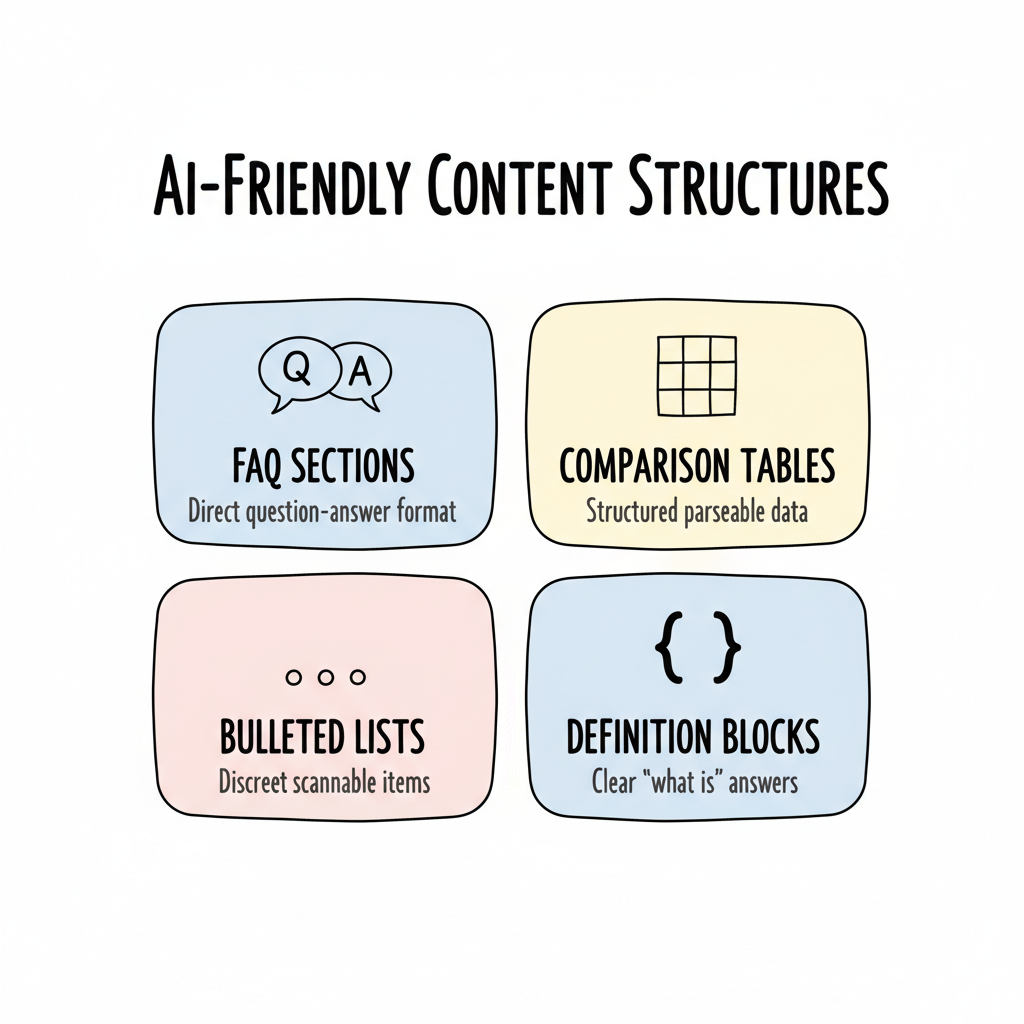
Lists help AI systems identify discrete items and options. Use lists for:
Keep list items parallel in structure and complete enough to stand alone.
Clear definitions earn AI citations when users ask "what is" questions. Structure definitions as:
[Term]: [Clear, complete definition in one to two sentences.]
Place definitions near the beginning of relevant sections.
Implement schema to help AI systems understand your content:
Understanding json-ld-vs-microdata-knowledge-graph differences helps you choose the right implementation approach.
AI platforms favor recent content. Optimize freshness by:
Research suggests content updated within the last 3 months receives significantly more AI citations than older content on similar topics.
Ensure AI crawlers can access your content:
Track whether optimization efforts improve AI visibility:
Tools like Otterly.AI and Profound track AI visibility metrics that traditional analytics miss. For platforms like WordPress, implementing wordpress-aeo-optimization techniques can streamline your measurement process.
Structure for extraction. Every paragraph should work as a standalone quote. Front-load information and keep paragraphs under 80 words.
Match user queries. Use question-based headers that align with how users actually ask AI systems questions.
Add specific data. Statistics, facts, and concrete information earn more citations than vague claims.
Implement structure elements. FAQs, tables, lists, and clear definitions help AI systems identify quotable content.
Maintain freshness. Regular updates signal current relevance to AI platforms.
No. Most AI content optimization techniques—clear structure, specific information, quality content—align with SEO best practices. The main addition is paragraph-level extractability and question-based formatting. Content optimized for AI typically performs well in traditional search too.
Update high-priority content at least quarterly. More frequent updates benefit time-sensitive topics. Include clear timestamps showing when content was last reviewed or updated.
Prioritize pages that already rank well in traditional search and cover topics users frequently ask AI systems about. High-performing SEO content with extractability improvements often sees the fastest AI visibility gains.
By submitting this form, you agree to our Privacy Policy and Terms & Conditions.



