
February 19, 2026


GEO optimization trends reflect a fundamental shift in how users discover information and how brands must adapt to remain visible. As AI-powered search platforms mature, the strategies that drive citations and recommendations continue evolving. Understanding these trends helps marketers anticipate changes rather than react to them.
This guide examines the most significant GEO trends shaping AI search visibility in 2026 and explains their practical implications.
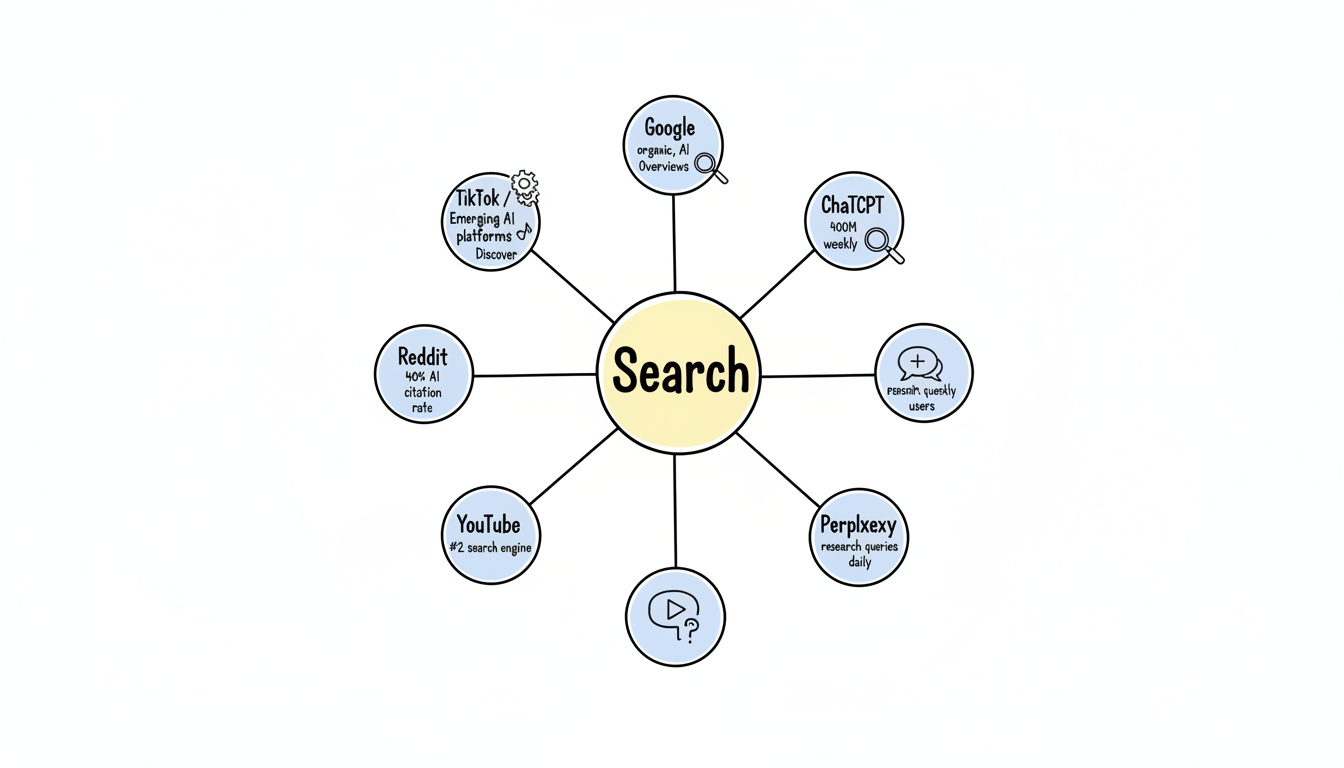
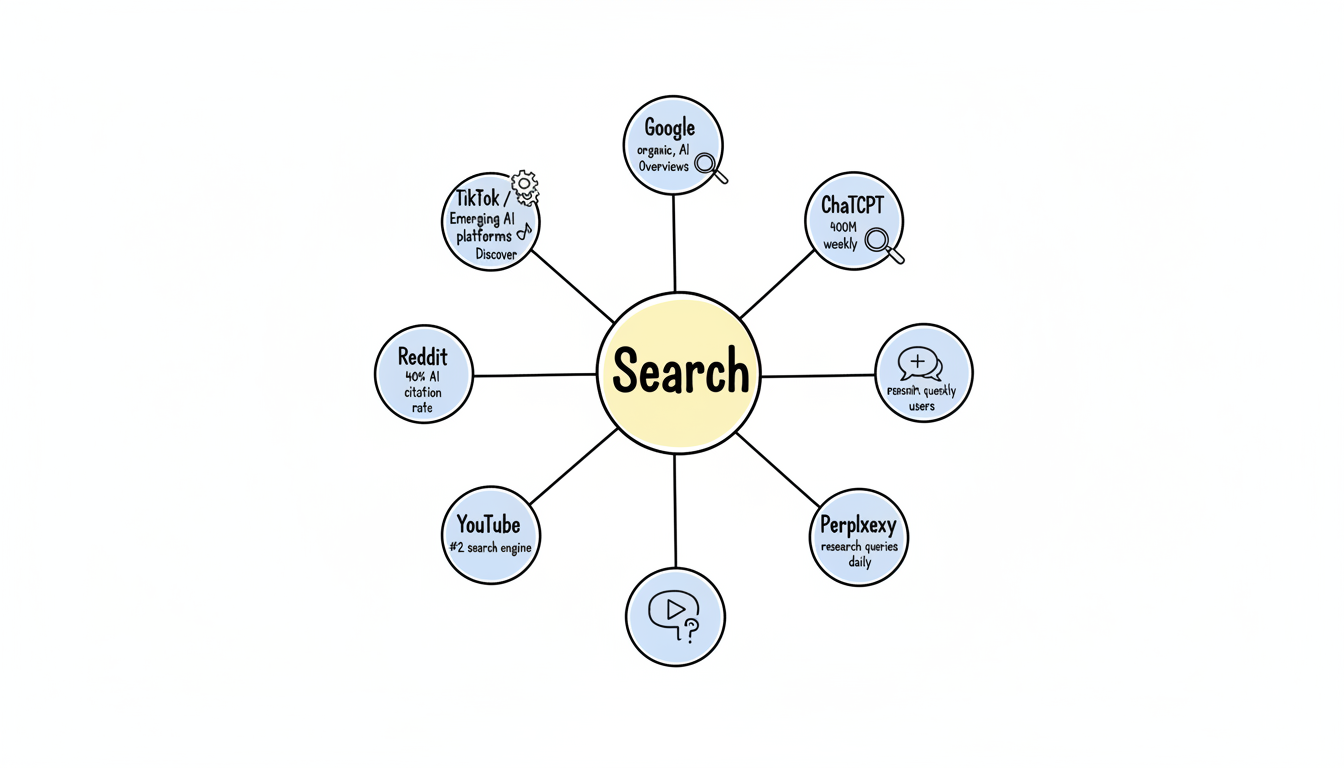
The concept of "Search Everywhere Optimization" has emerged as a defining trend. Users no longer confine searches to Google—they discover information across ChatGPT, Perplexity, TikTok, Reddit, YouTube, and emerging AI platforms. Each platform requires tailored optimization approaches.
Why this matters: Brands optimizing solely for Google miss significant discovery opportunities. Research shows ChatGPT now serves over 400 million weekly active users. Perplexity handles millions of research queries daily. YouTube functions as the second-largest search engine. Reddit appears in approximately 40% of AI citations.
Practical implications:
Traditional SEO relied heavily on backlinks as authority indicators. GEO optimization increasingly emphasizes entity authority—how well AI systems understand and trust your brand as an expert in specific domains.
Key authority signals AI systems recognize:
The shift in practice: Building authority now requires demonstrating genuine expertise rather than acquiring links. AI systems evaluate whether your content provides unique value, whether experts create it, and whether external sources validate your claims.
AI systems increasingly process and synthesize multiple content formats. Text remains foundational, but video transcripts, podcast content, image descriptions, and interactive content all contribute to how AI systems understand and cite brands.
Emerging multi-modal trends:
Why multi-modal matters: AI platforms train on diverse content types. Brands appearing across formats create more touchpoints for AI systems to learn about their expertise. A single podcast appearance discussing your specialty can influence how ChatGPT answers related questions.
AI systems increasingly weight content freshness, particularly for time-sensitive topics. The days of "set and forget" content strategies are ending.
Freshness trends shaping GEO:
Implementation requirements:
User queries to AI platforms follow conversational patterns rather than keyword-based searches. Content structure must mirror how people actually ask questions.
Query pattern shifts:
Structural adaptations:
Different AI platforms show distinct preferences. Optimization strategies increasingly require platform-specific approaches rather than universal tactics. Understanding these nuances is essential for developing a successful multi-platform AI search strategy.
Observed platform variations:
Strategic implications: Monitor performance across platforms separately. What earns citations on ChatGPT may differ from what appears in Google AI Overviews. Platform-specific tracking reveals where optimization efforts produce results.
Technical optimization for AI visibility has moved beyond basic crawler access. Mature GEO technical practices now include sophisticated structured data, machine-readable content organization, and explicit AI guidance files.
Emerging technical requirements:
Technical debt impact: Sites with outdated technical foundations increasingly fall behind as AI systems favor content they can easily parse and understand. Organizations implementing geo-ai-seo strategies must prioritize these technical foundations.
AI systems now assess not just whether to cite content but how to present brands within responses. Sentiment analysis influences whether your brand appears positively in recommendations.
Brand representation factors:
Monitoring requirements: Track not just citation frequency but citation context. Appearing frequently in negative contexts may harm more than help. Tools increasingly offer sentiment analysis alongside visibility tracking.
AI systems hungry for unique information increasingly prioritize original research, proprietary data, and first-party insights over aggregated content.
Research-driven visibility advantages:
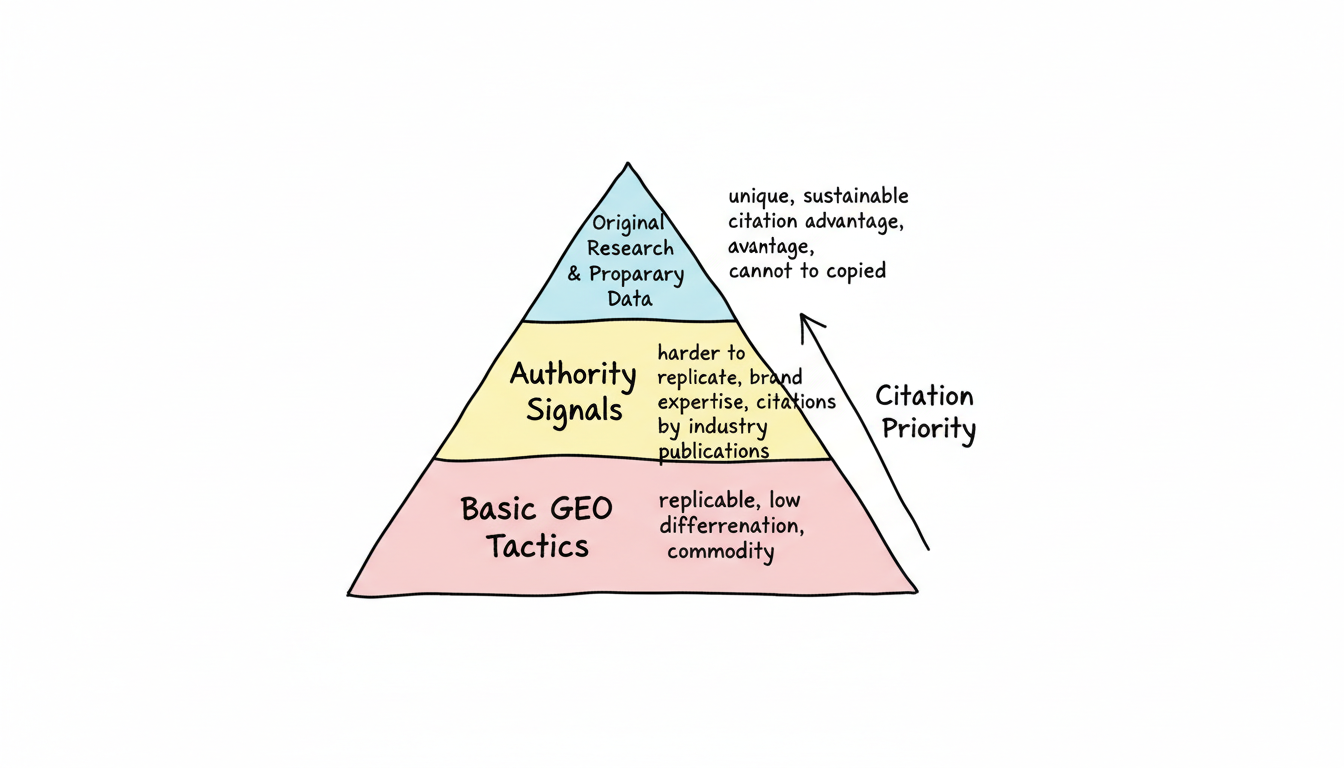
The competitive dynamic: As more brands implement basic GEO tactics, differentiation requires content AI systems can't find elsewhere. Original research creates sustainable citation advantages that competitors cannot easily replicate. This principle underlies the best generative engine optimization strategy approaches.
GEO optimization no longer exists as an isolated discipline. Effective programs integrate with PR, social media, content marketing, and brand strategy.
Cross-functional integration trends:
Organizational implications: GEO success requires coordination across marketing functions rather than siloed SEO team efforts. Many organizations now seek aeo-training-workshops to align teams on these integrated approaches.
GEO optimization continues evolving as AI platforms mature and user behaviors shift. The trends shaping 2026 point toward increasingly sophisticated, integrated, and platform-aware approaches to AI visibility.
Brands that track these trends and adapt proactively will maintain competitive advantages. Those waiting for trends to become obvious will find themselves catching up to competitors who moved earlier.
Start with Search Everywhere Optimization—audit where your audience actually discovers information. Then address authority building and content structure. Technical requirements and multi-modal expansion can follow as resources allow.
Major trends evolve over months rather than weeks, but platform-specific preferences can shift more rapidly. Monthly monitoring helps identify changes requiring response.
Core trends apply broadly, but emphasis varies. B2B brands benefit more from research and authority signals. Consumer brands gain more from multi-modal presence and platform-specific optimization.
By submitting this form, you agree to our Privacy Policy and Terms & Conditions.



