
February 19, 2026


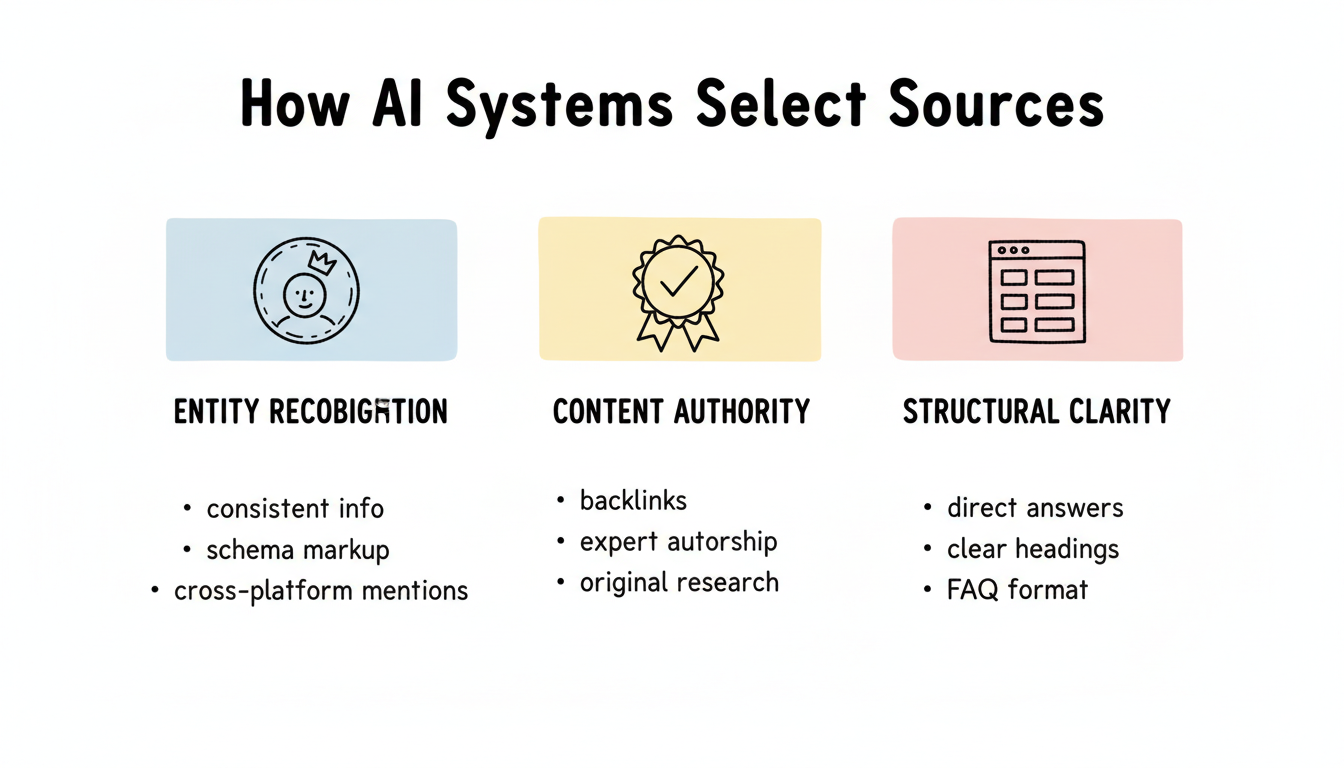
GEO and AI SEO represent the evolution of search optimization for a world where artificial intelligence mediates how users discover information. GEO (Generative Engine Optimization) focuses specifically on earning citations in AI-generated responses, while AI SEO encompasses the broader practice of optimizing for AI-powered search features. Together, these disciplines define how brands achieve visibility in 2026's transformed search landscape.
Understanding how GEO and AI SEO work together helps marketers develop comprehensive strategies that capture visibility across all discovery channels.
The distinction between GEO and AI SEO continues blurring as AI becomes central to all search experiences. GEO originally emerged to address optimization for conversational AI platforms like ChatGPT and Perplexity. AI SEO developed to address Google's AI Overviews and other AI-enhanced search features.
In practice, these disciplines share common foundations and increasingly overlap. Content that earns AI Overview citations often performs well in ChatGPT responses. Authority signals that drive GEO success also influence AI SEO outcomes. The strategies converge because the underlying AI systems evaluate content similarly—looking for expertise, structure, and trustworthiness.
Research shows that 87% of Google AI Overview citations come from content ranking in organic positions 1-10. This correlation demonstrates how traditional SEO, AI SEO, and GEO connect. Strong organic foundations enable visibility across all AI-mediated search experiences.
The shift toward AI-powered discovery has accelerated dramatically. Daily AI search users in the US more than doubled between early and late 2025, reaching nearly 30% of users. ChatGPT serves over 400 million weekly active users. Nearly 60% of Google searches end without clicks to external websites as AI Overviews provide direct answers.
These statistics highlight why GEO AI SEO has become essential:
Search behavior has fragmented. Users no longer rely solely on Google. They research across ChatGPT, Perplexity, Claude, and traditional search, expecting consistent brand presence everywhere.
AI intermediates discovery. Rather than browsing result lists, users receive synthesized answers. Brands that AI systems don't cite become invisible to growing segments of potential customers.
Budget allocation reflects priorities. Enterprises dedicated 12% of digital marketing budgets to GEO in 2025, and 94% planned increased investment for 2026. This signals competitive intensity in AI visibility optimization.
Understanding what AI systems value helps optimize effectively for both GEO and AI SEO. This differs fundamentally from understanding key differences between traditional SEO and AEO, as AI systems prioritize different signals than traditional search algorithms.
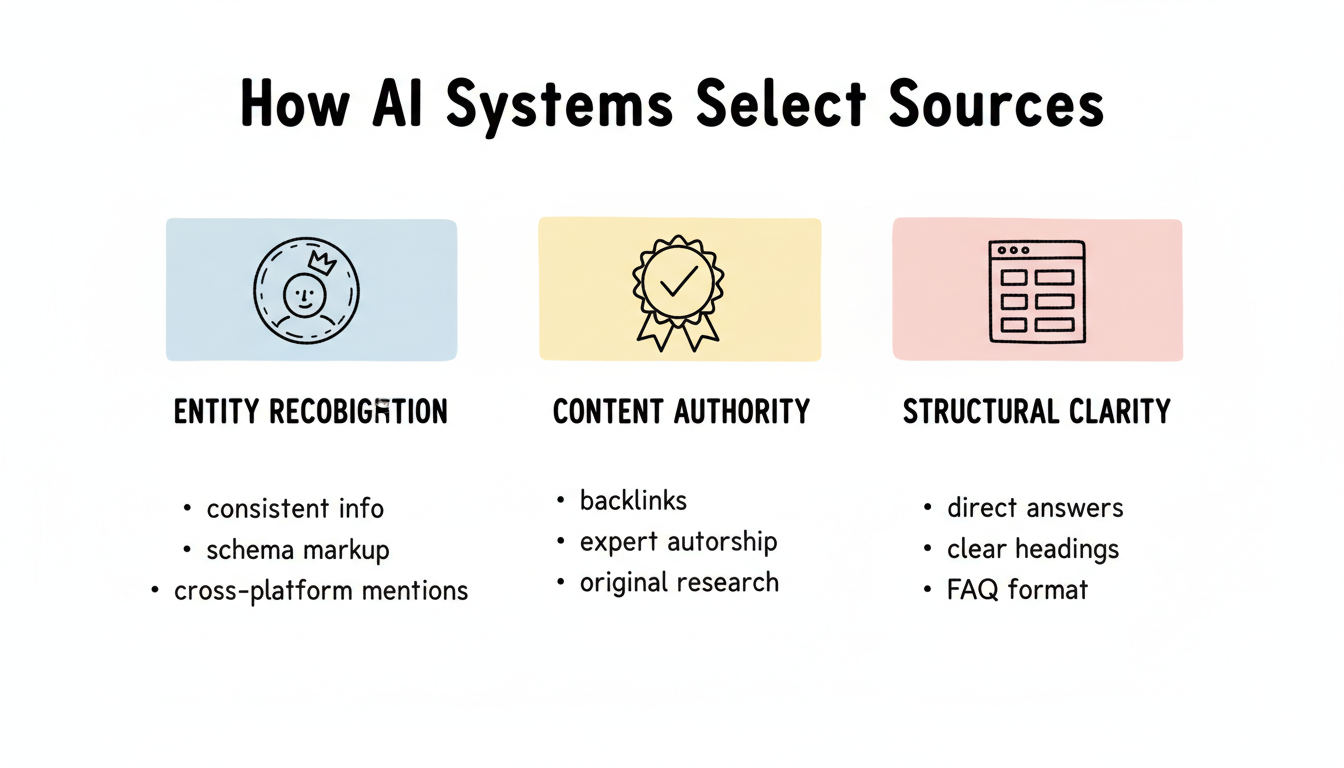
AI systems work with entities—distinct brands, products, people, and concepts—not just keywords. They need to understand what your brand represents, what expertise you hold, and how you relate to relevant topics.
Entity optimization involves:
When AI systems confidently understand your entity, they cite you more frequently and accurately. This is where GEO optimization becomes particularly important for establishing brand presence in AI knowledge graphs.
AI systems prioritize authoritative sources when selecting content to cite. Authority assessment considers domain reputation, backlink profiles, expert authorship, and consistency of expertise demonstration.
Building authority requires:
The phrase "semantic footprint" captures what matters—the totality of signals that help AI systems assess your credibility and relevance.
AI systems extract information in chunks. They pull specific passages to quote and synthesize. Content structure directly affects extraction quality and citation likelihood.
Effective structural elements include:
Content that extracts cleanly earns citations. Dense, poorly organized content gets passed over regardless of information quality.
Effective 2026 strategies treat GEO and AI SEO as integrated disciplines rather than separate initiatives.
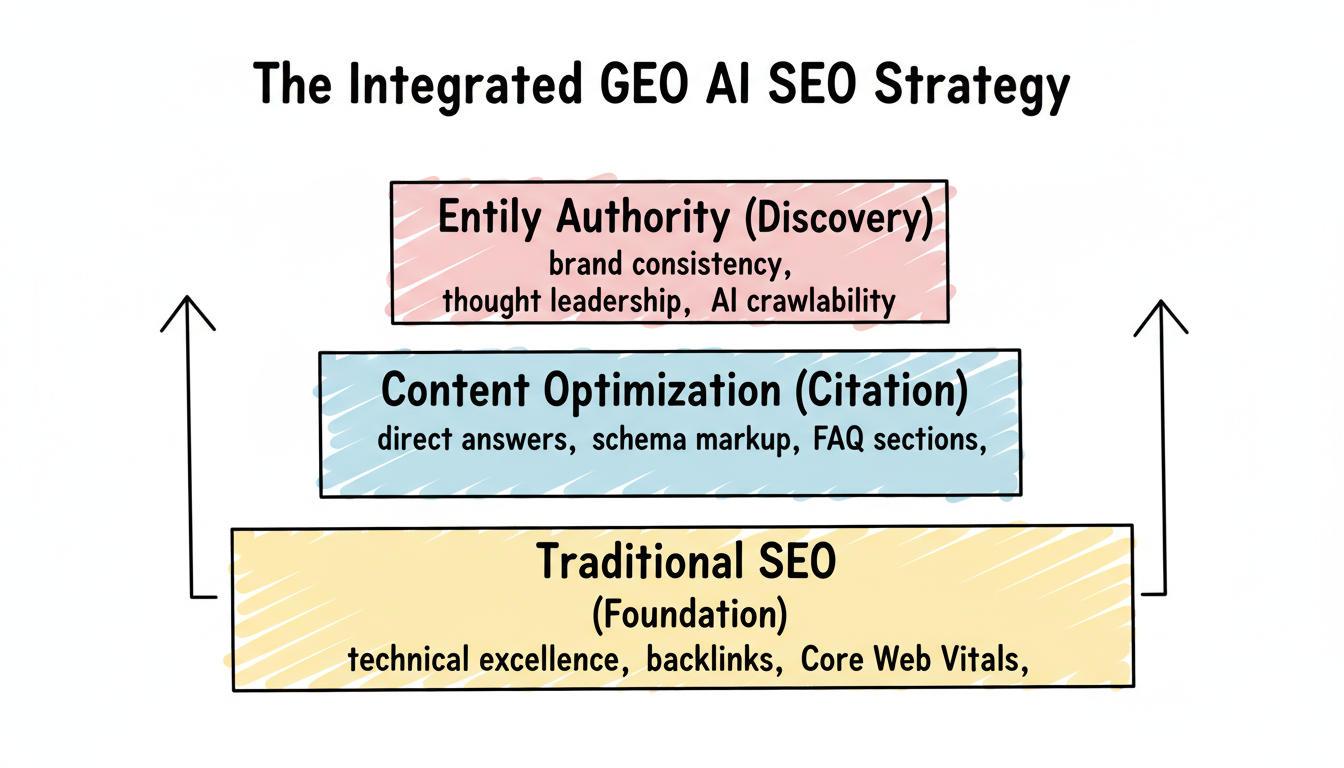
Traditional SEO provides the authority foundation that GEO and AI SEO build upon. Without organic rankings and established domain authority, AI visibility efforts struggle.
Traditional SEO priorities:
Sites that don't rank organically rarely earn AI citations. The 87% correlation between top-10 rankings and AI Overview citations confirms this relationship.
Content optimization bridges traditional SEO and AI visibility. The same content serves multiple purposes when structured appropriately.
Content optimization includes:
These optimizations improve organic rankings while increasing citation likelihood across AI platforms. Tools like an AEO checker can help identify optimization opportunities for AI visibility.
Entity authority determines how AI systems perceive and recommend your brand across contexts. This layer addresses how you exist in AI knowledge representations.
Entity authority building:
Strong entity authority means AI systems mention your brand confidently across diverse queries, not just direct brand searches.
Deploy GEO AI SEO strategies systematically with clear priorities.
Verify AI crawlers can access your content. Check robots.txt to ensure you're not blocking GPTBot (OpenAI), ClaudeBot (Anthropic), PerplexityBot, or Google's AI-related crawlers. Blocking these eliminates visibility opportunities.
Enable server-side rendering. AI crawlers typically don't execute JavaScript. Content requiring client-side rendering may not be indexed by AI systems.
Assess your current state across platforms. Search priority queries in:
Document where you appear, where competitors appear, and where gaps exist. This baseline informs optimization priorities. For a more strategic approach, consider conducting AEO competitor analysis to identify gaps in your AI visibility strategy.
Start with content that matters most to your business. For each priority page:
Strengthen entity recognition systematically:
Track metrics that capture AI visibility alongside traditional SEO performance.
Citation frequency: How often your content appears in AI-generated responses across platforms.
Citation context: Whether you're cited as a primary authority or briefly mentioned among many sources.
Platform coverage: Which AI platforms cite your content and where gaps exist.
Query coverage: Which queries trigger your citations and where you're absent despite relevance.
Traffic patterns: Referral traffic from AI platforms and changes in zero-click visibility.
Emerging tools from providers like Semrush, Ahrefs, and specialized GEO platforms offer automated tracking across multiple AI systems.
GEO AI SEO has become a competitive battleground. As one expert noted, "The fight isn't for position one anymore—it's for contextual inclusion inside the model's response."
Brands investing early in GEO AI SEO establish advantages that compound over time. AI systems develop understanding of brand authority and expertise through accumulated signals. First movers build positioning that later entrants must work harder to displace.
The diversified search journey—where users move between Google, ChatGPT, and other platforms—means comprehensive visibility requires success across all channels. GEO AI SEO integration provides that comprehensive approach.
No. GEO extends SEO rather than replacing it. Traditional SEO foundations—technical excellence, quality content, authority building—directly enable GEO success. The 87% correlation between organic rankings and AI citations demonstrates that traditional SEO remains essential for AI visibility.
Treat them as integrated rather than separate priorities. Both target AI-mediated visibility and share common optimization approaches. A unified strategy serves both more efficiently than treating them as distinct initiatives.
Technical optimizations and content restructuring can affect citations within weeks. Building substantial entity authority and consistent citation patterns typically requires 3-6 months of sustained effort. Results compound as AI systems accumulate signals about your brand.
By submitting this form, you agree to our Privacy Policy and Terms & Conditions.



