February 19, 2026


Managing Facebook ads for clients is fundamentally different from managing your own campaigns. You need proper account structures, clear processes, professional reporting, and ironclad asset protection. Get it wrong, and you risk losing access, damaging client relationships, or exposing yourself to liability.
This guide covers everything you need to know to run Facebook ads for clients professionally—from account setup to ongoing management and reporting.
The first decision when onboarding a new client: how will you access their ad account? There are three primary approaches, each with tradeoffs.
Partner access through Meta Business Manager is the gold standard for agencies. The client grants your agency Business Manager access to their assets without transferring ownership.
How it works:
Advantages:
Disadvantages:
According to Meta Business Manager best practices, "Business Manager solves this by centralizing assets and turning access into a permission model you can audit."
You create and own the ad account under your Business Manager, then run ads on the client's behalf. Many agencies choose this route when building a meta agency ad account structure for multiple clients.
When to use:
Advantages:
Disadvantages:
The client adds you directly to their personal ad account or gives you login credentials.
Why to avoid this:
Only consider this for very small clients or informal arrangements—and transition to proper Business Manager setup as soon as possible.
When setting up partner access, assign appropriate permission levels:
Permission Level | What They Can Do |
Admin | Full control—add/remove people, change settings |
Advertiser | Create and manage ads, view performance |
Analyst | View reports only—no editing ability |
Most agencies need Advertiser access on ad accounts and Analyst on Pixels. Only request Admin if you're managing the entire Business Manager.
A structured onboarding process sets expectations and prevents problems. According to industry research, "agencies that establish realistic KPIs during onboarding achieve 15-20 percentage point better retention."
Before launching any campaigns, collect:
Business Information:
Account Access:
Campaign Requirements:
Compliance:
Asset | Status to Verify |
Business Manager | Connected and partner access granted |
Ad Account | Access confirmed, payment method active |
Facebook Page | Linked to ad account, publish permissions |
Pixel | Installed, firing correctly, events tracking |
Product Catalog | Set up (for e-commerce clients) |
Conversions API | Configured for server-side tracking |
During onboarding, clearly define:
Document everything in a kickoff document or onboarding agreement.
Professional reporting separates agencies from freelancers. Clients pay for transparency and insights—not just ad management. Understanding how to increase roi facebook ads starts with tracking the right metrics.
Performance Metrics:
Trend Analysis:
Insights and Recommendations:
Client Type | Recommended Frequency |
High-spend clients (>$10k/month) | Weekly reports, bi-weekly calls |
Medium-spend ($2k-$10k/month) | Bi-weekly reports, monthly calls |
Low-spend (<$2k/month) | Monthly reports and calls |
Native Options:
Professional Tools:
Data-driven agencies "demonstrate ROI, optimize future campaigns, and strengthen client confidence" through measurement and transparent reporting.
After managing hundreds of client accounts, here are proven best practices.
Standardize naming across all client accounts:
[Client]_[Objective]_[Audience]_[Date]

Examples:
AcmeCo_Conversions_Retargeting_2601
AcmeCo_Traffic_ColdProspecting_2601
AcmeCo_Leads_Lookalike_2601
Consistent naming makes reporting easier and prevents confusion across multiple clients.
Use a clean, scalable structure:
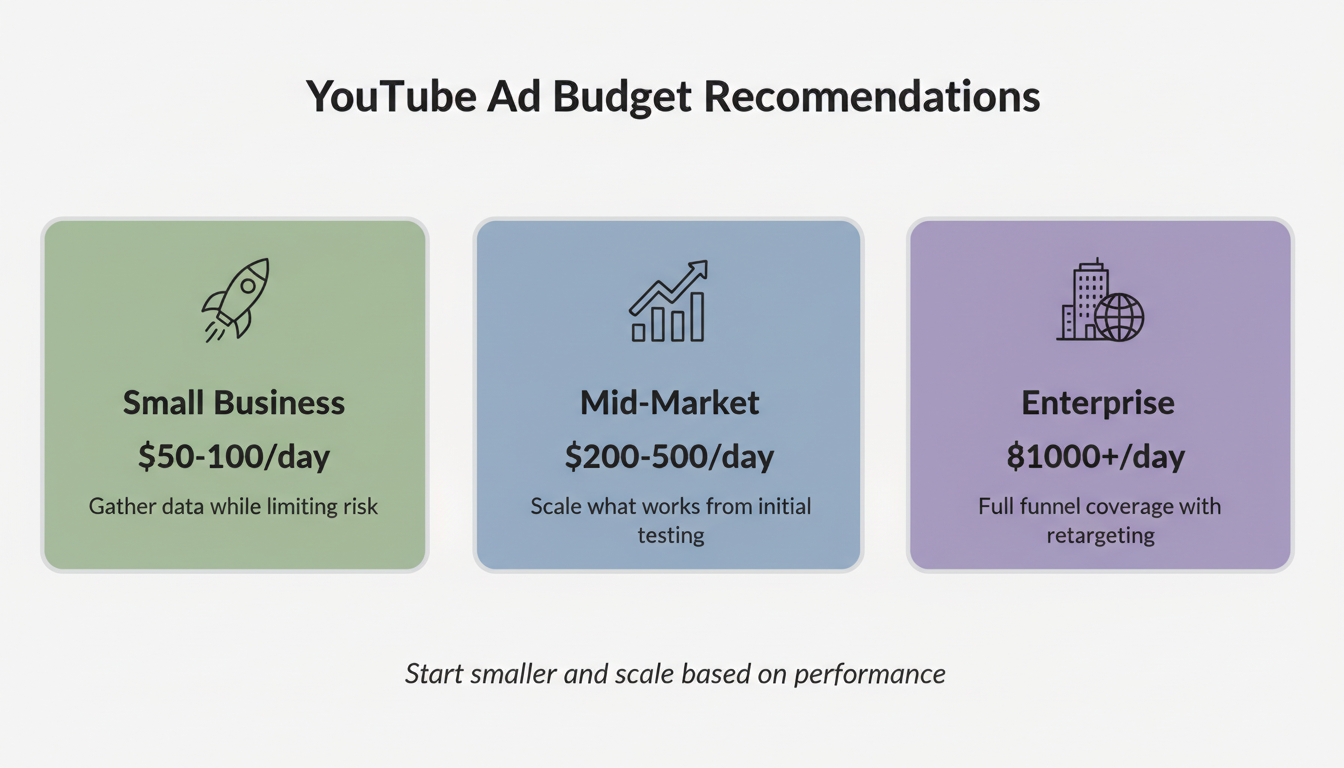
When planning client budgets, it's essential to understand typical facebook ads cost per month benchmarks for their industry.
Use partner access to the client's ad account whenever possible. This protects both parties—the client retains ownership, and you're not liable for payment issues. Only create agency-owned accounts for new businesses or specific white-label arrangements where ownership is clearly documented.
Educate them on Meta's partner access system. Explain that sharing credentials violates Meta's terms of service and creates security risks. Set them up with their own Business Manager if needed, then have them add you as a partner. Most clients appreciate the professionalism once they understand the benefits.
This is why account ownership matters. If you're using partner access, continue managing ads while resolving the payment issue separately—you can pause campaigns if needed. If you own the account, you have more leverage but also more risk. Always have clear payment terms in your contract, and consider requiring payment in advance for new clients.
It depends on account complexity and service level. General guidelines:
Quality suffers beyond these ranges. Scale with proper systems and team expansion. Many successful facebook ads management agency operations hire specialists once they exceed these thresholds.
By submitting this form, you agree to our Privacy Policy and Terms & Conditions.