
February 19, 2026


Traditional link building focused on quantity and domain authority scores. AEO link building focuses on the signals AI systems actually evaluate when deciding which sources to trust and cite. The shift from "build links" to "build authority" fundamentally changes how organizations approach citation development for AI visibility.
According to IDX's Authority Flywheel guide, AI search prioritizes semantic proximity—the on-topic relevance between your content and the source linking to it. Combining link development, Entity SEO, and Answer Engine Optimization positions your brand as a trusted node in the AI Knowledge Graph.
AI models use different trust signals than traditional search algorithms.
According to Contently's LLM trust signals analysis, LLMs evaluate multiple trust dimensions: expert authority (verifiable author credentials and domain expertise), factual accuracy (claims that align with authoritative sources), entity consistency (brand information that matches across digital properties), content freshness (recently updated information), and corroboration (facts confirmed across multiple independent sources).
Traditional vs. AEO authority signals:
Traditional Link Building | AEO Authority Building |
Domain Authority score | Topical relevance to linking site |
Link quantity | Citation from trusted sources |
Anchor text optimization | Entity consistency across web |
PageRank flow | Expert credibility signals |
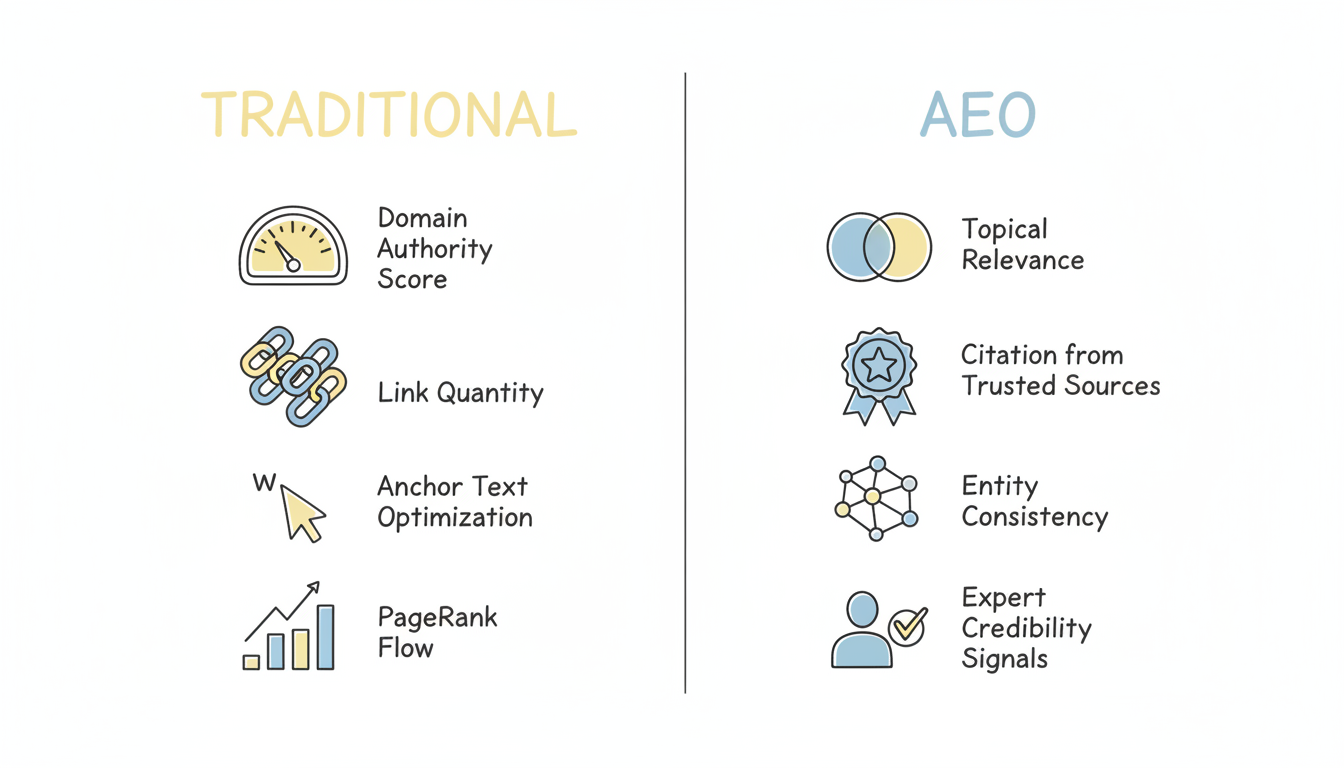
Digital PR drives AEO authority more effectively than traditional link tactics.
According to AuthorityTech's GEO optimization checklist, AI engines cite earned media 5x more than brand-owned content. Without earned media, even perfectly structured content struggles to earn AI citations. The GEO search optimization checklist prioritizes what actually works: earned media first, content structure second, technical signals third.
Authority building priorities:
AEO Authority Building Stack
├── Earned Media (Highest Impact)
│   ├── Press coverage in industry publications
│   ├── Expert quotes in news articles
│   ├── Mentions in respected outlets
│   └── 5x citation advantage over owned content
│
├── Citation Development (High Impact)
│   ├── Wikipedia references
│   ├── Academic/research citations
│   ├── Industry report mentions
│   └── Cross-validation sources
│
├── Content Authority (Medium Impact)
│   ├── Expert authorship signals
│   ├── Primary research publication
│   ├── Unique data and insights
│   └── Comprehensive topic coverage
│
└── Technical Signals (Supporting)
    ├── Schema markup
    ├── Entity optimization
    └── Site structure
Strategic PR builds the authority signals AI systems trust most.
According to Jordan Stevens' link building guide, digital PR was the most effective link-building tactic in 2025, according to industry research. Link bait is content designed to get links to your website naturally, and authority works like this: a website with more links is better, and a website with more links from other sites that have more links is even higher quality.
Digital PR tactics for AEO:
Tactic | Authority Signal Generated |
Expert commentary | Credibility through publication association |
Original research | Primary source status |
Data journalism | Citable statistics and findings |
Thought leadership | Expert entity recognition |
Reactive PR | Timely expertise demonstration |
AI systems prioritize recognizable, consistent entities when selecting citation sources.
According to LinkedIn SEO thought leadership, search is shifting from "Which URL answers this?" to "Which brand is credible enough to trust?" If AI can't clearly understand who you are, you're invisible. Strong topical authority in a focused niche, supported by structured content and real expert bylines, helps brands get cited by AI.
Entity consistency requirements:
Certain citation sources carry more weight for AI authority building.
According to GetRevised's AI SEO analysis, over 99% of sources cited in Google's AI Overviews come from pages already ranking in the top 10 organic results. A link from Wikipedia, a citation in a respected publication, mentions on Reddit and Hacker News—these signals tell AI-powered search tools your content is worth citing.
High-value citation sources:
Citation Authority Hierarchy
├── Tier 1: Maximum Authority
│   ├── Wikipedia (properly sourced)
│   ├── Academic/research publications
│   ├── Government sources
│   └── Major news outlets
│
├── Tier 2: Strong Authority
│   ├── Industry publications
│   ├── Trade associations
│   ├── Expert review platforms
│   └── Established media outlets
│
├── Tier 3: Supporting Authority
│   ├── Industry blogs with reputation
│   ├── Community platforms (Reddit, HN)
│   ├── Professional networks
│   └── Niche authority sites
│
└── Low/No Value for AEO
    ├── Generic directories
    ├── Link farms
    ├── PBNs
    └── Paid placements without editorial
Sustainable AEO authority requires systematic approach.
According to IDX, build authority and trust, not just links. The Authority Flywheel is a system for earning high-value, machine-scannable citations that drive lasting visibility in the age of AI search. Link quality indicators include domain authority score, topical relevance and editorial context, and grounding/source diversity.
Authority flywheel components:
Component | Activities | Outcome |
Create citable content | Original research, expert analysis | Source material |
Earn media coverage | PR outreach, expert commentary | Third-party validation |
Build entity presence | Profile optimization, mentions | Recognition signals |
Develop topic authority | Comprehensive content depth | Niche expertise |
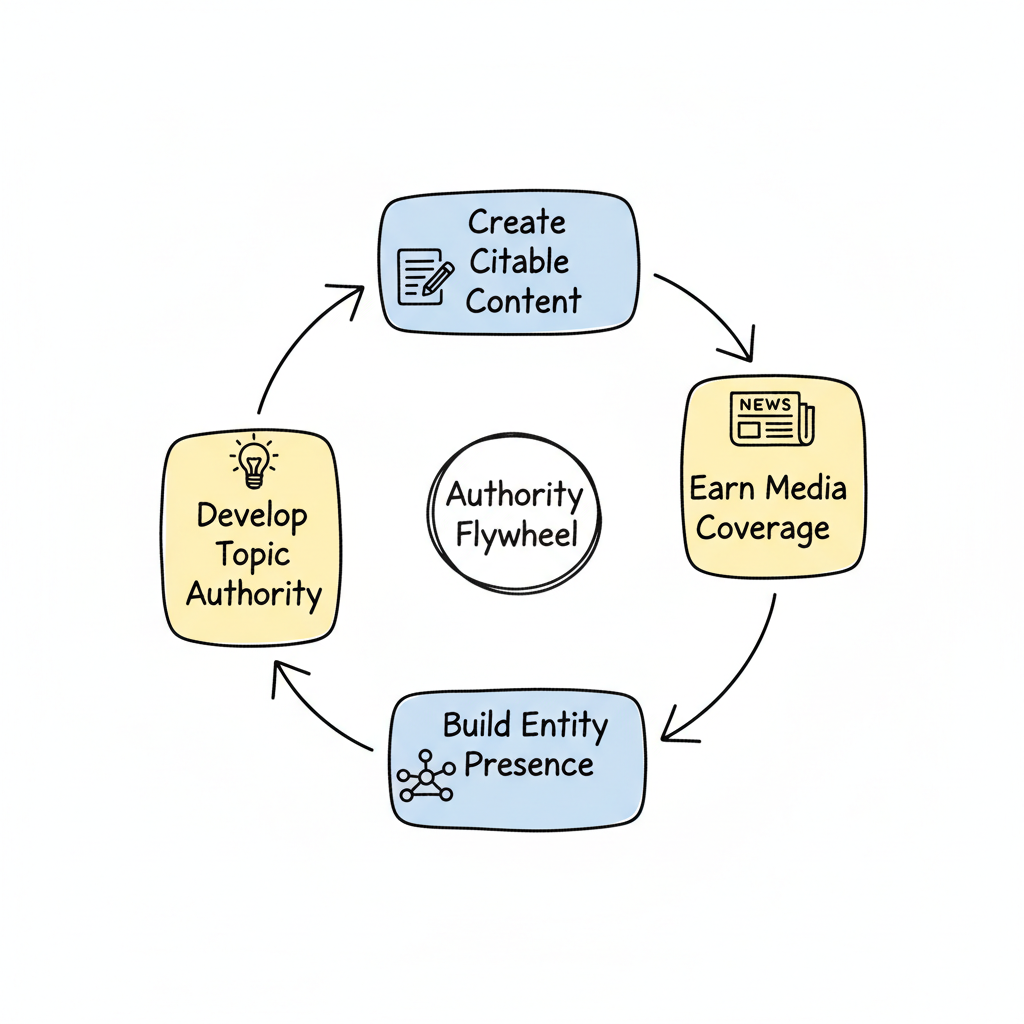
Track authority development with appropriate metrics.
According to Contently, Semrush extends its keyword intelligence platform with AI visibility tracking, helping teams identify which content earns citations and which trust signals differentiate cited from ignored sources. Using best AEO tools reviews can help measure your progress across multiple answer engines.
Authority metrics to track:
AEO link building requires evolved approaches focused on authority signals:
According to ALM Corp's SEO trends analysis, the brands that dominate search in 2026 understand that SEO is no longer a technical checklist—it's a comprehensive visibility strategy built on genuine expertise, multi-platform presence, and relentless focus on serving user needs better than anyone else.
By submitting this form, you agree to our Privacy Policy and Terms & Conditions.



