February 19, 2026


Once you've mastered the basics of Microsoft Advertising, it's time to leverage the platform's unique capabilities that many advertisers overlook. From exclusive LinkedIn targeting to Performance Max optimization, these advanced tactics separate profitable campaigns from mediocre ones.
This guide covers advanced strategies for experienced advertisers ready to scale their Bing Ads performance in 2026.
Moving from beginner to advanced Microsoft Advertising requires shifting from reactive management to proactive optimization. The platform's AI-driven tools reward advertisers who provide better signals.
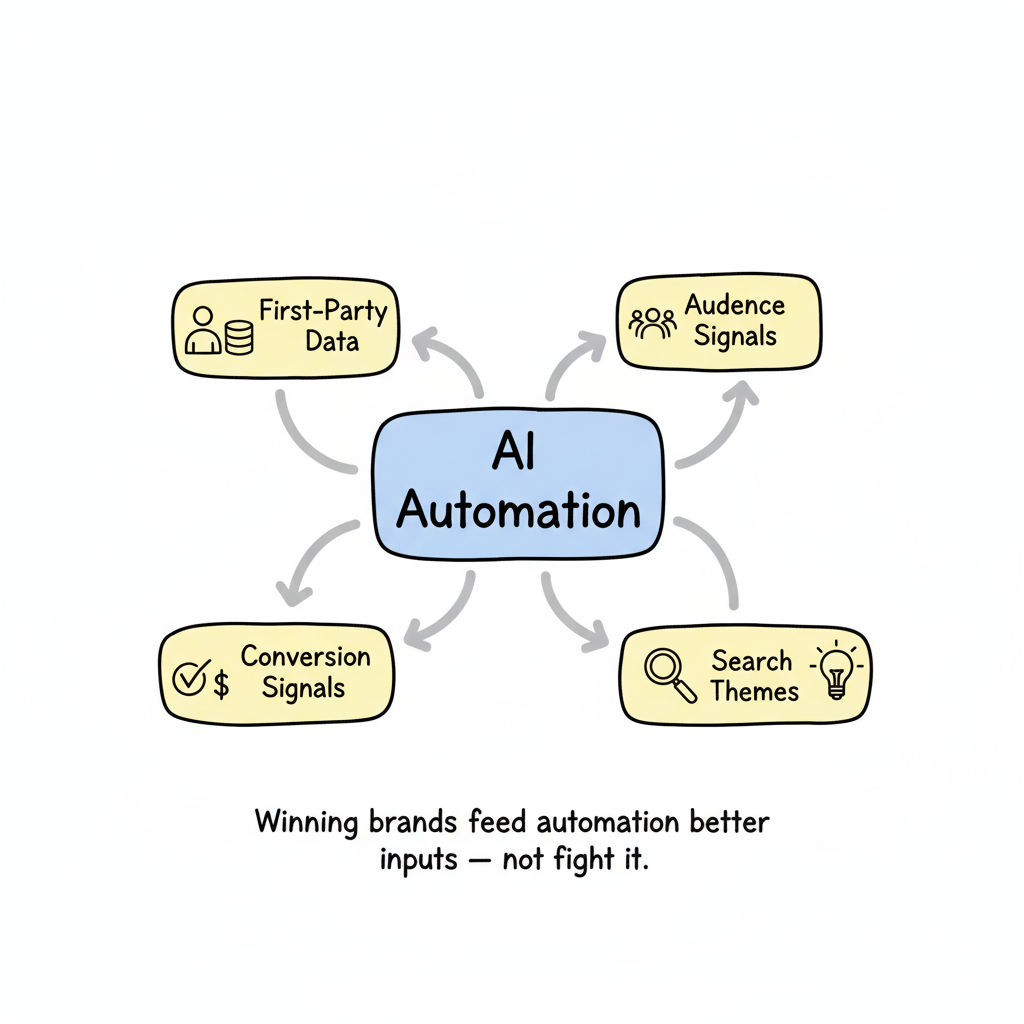
According to PPC trends in 2026, successful campaigns depend on the quality of data you feed into automation systems:
The brands winning in 2026 aren't fighting automation—they're feeding it better inputs.
Microsoft Advertising offers unique capabilities unavailable elsewhere:
LinkedIn targeting is Microsoft's most powerful differentiator—and most underutilized feature. When approached thoughtfully, it applies professional understanding to intent-driven inventory without breaking the bank.
LinkedIn profile targeting overlays professional attributes on top of keyword targeting. You can target by:
Dimension | Coverage | Example Use |
Company | 80,000+ companies | Target specific accounts (ABM) |
Industry | 148 industries | Reach entire vertical markets |
Job function | 26 functions | Target decision-makers |
Start with keywords that already convert, then layer LinkedIn targeting:
1. Choose one professional dimension first
Don't target by company AND industry AND job function simultaneously. If someone works for a company in an industry you're also targeting, you bid on them twice—compounding bid adjustments unnecessarily.
2. Begin with observation mode
Use LinkedIn targeting in observation mode before applying delivery constraints. This reveals which professional segments naturally engage with your ads without restricting reach.
3. Apply incremental bid adjustments
Start with 10-15% bid increases on proven keywords where search terms demonstrate business value. Increase more aggressively only if impression share lost to rank is high.
4. Align creative with professional context
When targeting specific industries or job functions, ensure ad copy speaks directly to their challenges. Generic messaging wastes the targeting precision. If you're unsure how to advertise on Bing with industry-specific messaging, start with industry-tailored headlines that address job-specific pain points.
LinkedIn Professional Demographics work as both targeting and observation layers in Audience Ads—bringing professional context to native, display, and video formats.
Aggregated reporting breaks down by company, industry, and job function, showing how different professional segments contribute to performance across campaigns. Find this in Reporting > Professional demographics.
LinkedIn profile targeting functions as an audience signal within Performance Max campaigns, guiding budget allocation toward professional profiles with high profit potential.
Select signals reflecting your most valuable customers and ensure conversion metrics align with your goals.
Beyond LinkedIn, strategic audience segmentation improves targeting precision across all campaign types.
Microsoft's in-market audiences identify users actively researching products or services. Layer these onto search campaigns:
Impression-based remarketing captures users who saw your ads without clicking—a massive pool for follow-up targeting.
Build remarketing lists strategically:
Upload first-party customer data to create custom audiences:
Once custom audiences have sufficient size, Microsoft generates similar audiences—users who share characteristics with your best customers. These expand reach while maintaining quality.
In 2026's AI-driven landscape, manual bidding has limited utility. But understanding how to optimize automated strategies remains essential.
Strategy | Best For | Requirements |
Manual CPC | Learning new campaigns | Time for daily management |
Enhanced CPC | Hybrid control | Some conversion history |
Maximize conversions | Volume focus | 30+ conversions/month |
Target CPA | Cost efficiency | Stable conversion rates |
Target ROAS | Revenue optimization | Revenue tracking enabled |
Maximize conversion value | Revenue focus | Value data available |
Microsoft allows bid adjustments across multiple dimensions. Understand that adjustments compound:
Example:
A user matching all criteria receives: 1.20 × 1.15 × 1.10 × 1.10 = 1.67x your base bid
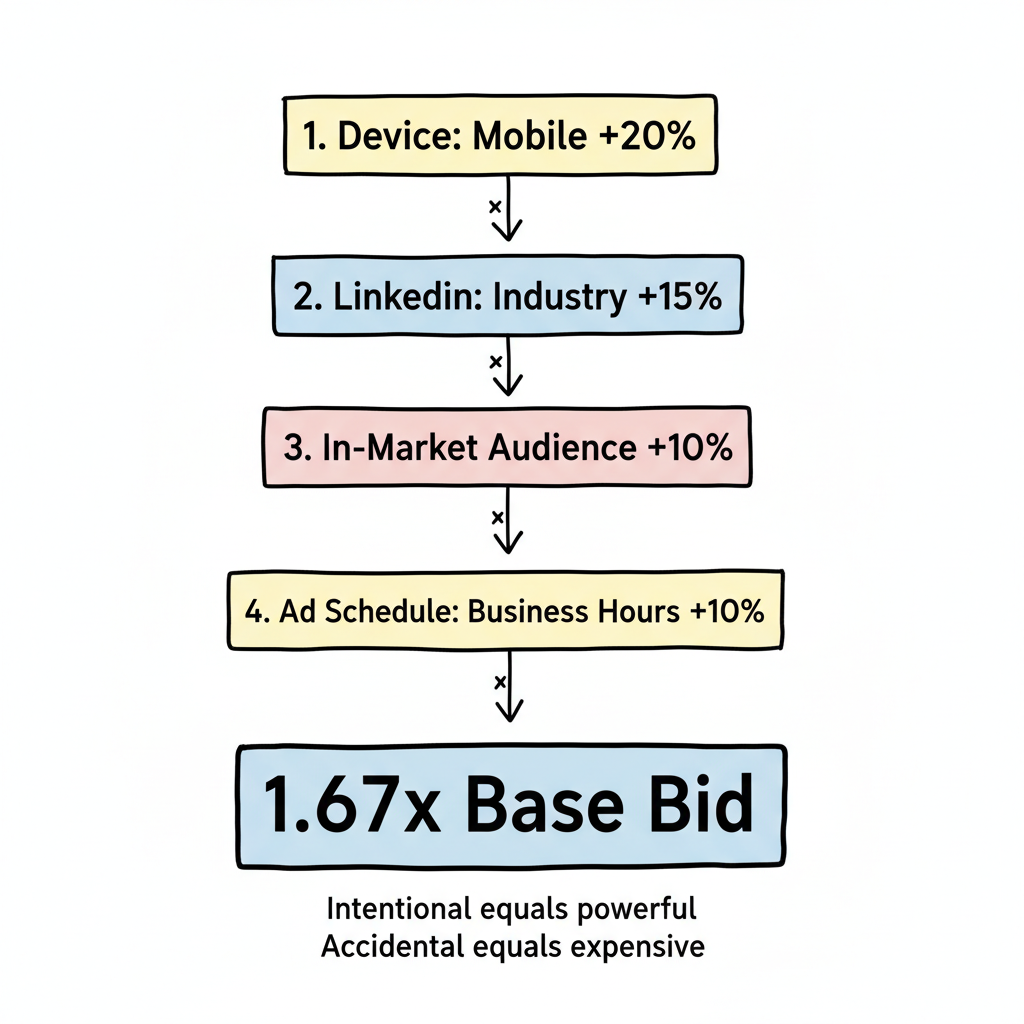
This compounding is powerful when intentional—and expensive when accidental. Advanced PPC advertising management best practices emphasize monitoring these multipliers to avoid runaway CPCs.
Move beyond counting conversions to prioritizing conversion quality:
For accounts with multiple campaigns targeting similar goals, portfolio bid strategies optimize across the entire portfolio—allowing budget to flow toward the best opportunities regardless of campaign structure.
Microsoft expanded Performance Max search themes to 50 per campaign in January 2026—giving advertisers stronger control over automation.
Search themes function as strategic signals guiding Performance Max toward queries and intent patterns you care about. Unlike traditional keywords, themes don't restrict reach—they influence learning.
Best practices:
Performance Max campaigns achieve 4.2x more conversions when integrated with strong assets and data:
Audience signals tell Performance Max who your ideal customers look like:
The more specific your signals, the faster the campaign learns. For specialized verticals, consider working with a SaaS PPC agency to refine audience signals based on customer LTV data.
Once campaigns are profitable, scale systematically rather than simply increasing budgets.
Expand reach without increasing keyword competition:
Deepen investment in what's working:
Leading brands diversify their media mix rather than relying on a single channel. Understanding display advertising vs paid search helps you allocate budgets across complementary channels without cannibalizing performance.
As you scale, measurement must evolve:
For most advertisers, automated strategies outperform manual bidding once you have sufficient conversion data (30+ conversions per month). Start with Target CPA if you have a cost goal, or Maximize Conversions if you want to scale volume. Use value-based bidding if you can pass revenue or lead quality data.
Start by adding LinkedIn audiences in observation mode to learn which professional segments engage naturally. Then apply one dimension at a time (company, industry, OR job function—not all three). Use incremental bid adjustments of 10-15% initially and scale based on performance data.
Use all 50 search themes now available per campaign. More themes give Microsoft's automation better guidance. Start with search terms that already convert in other campaigns, group by intent category, and combine with LinkedIn targeting for maximum precision.
By submitting this form, you agree to our Privacy Policy and Terms & Conditions.