
February 19, 2026


Last Updated: January 2026
ChatGPT processes over 1 billion weekly searches, making it one of the largest search platforms in the world. When users ask questions, ChatGPT synthesizes answers from multiple sources—and brands that get cited gain significant visibility. This guide explains how to optimize your content for ChatGPT search results.
Understanding ChatGPT's search behavior helps you optimize effectively.
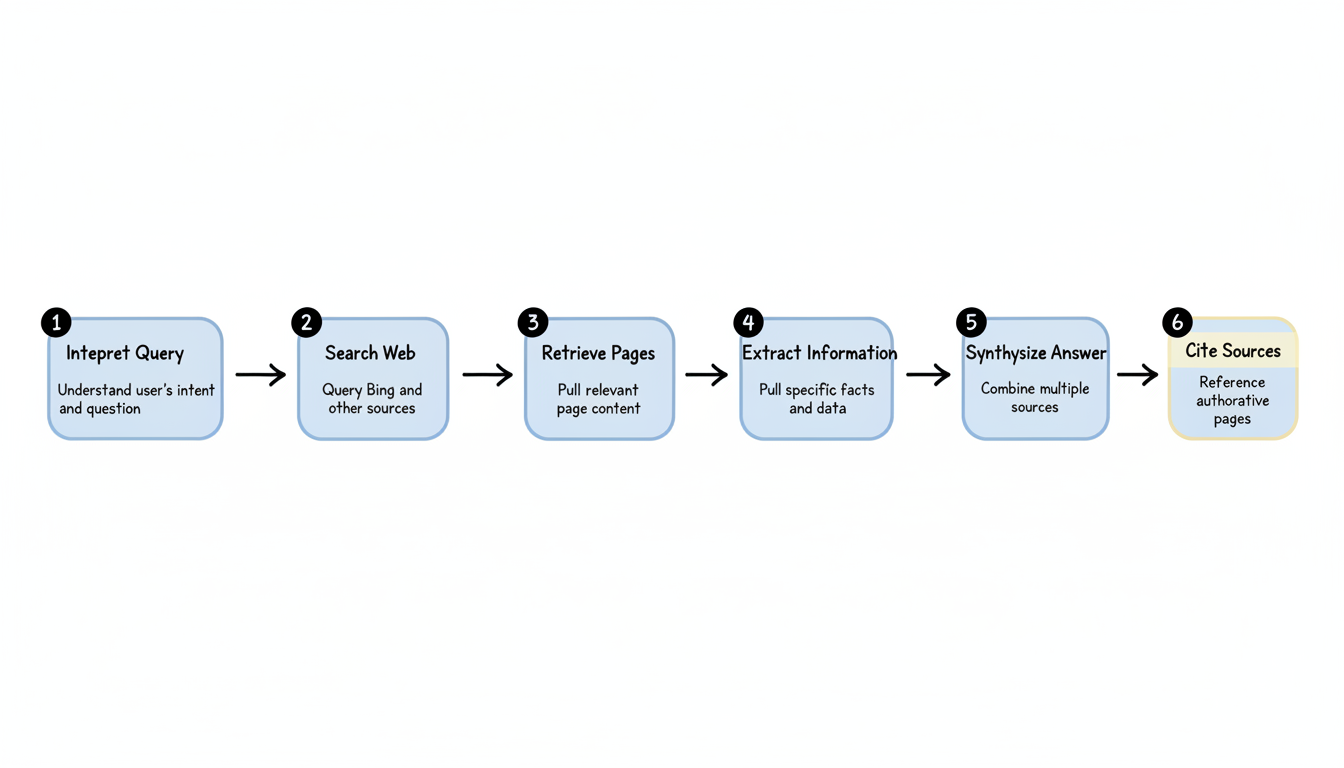
When ChatGPT answers questions requiring current information, it:
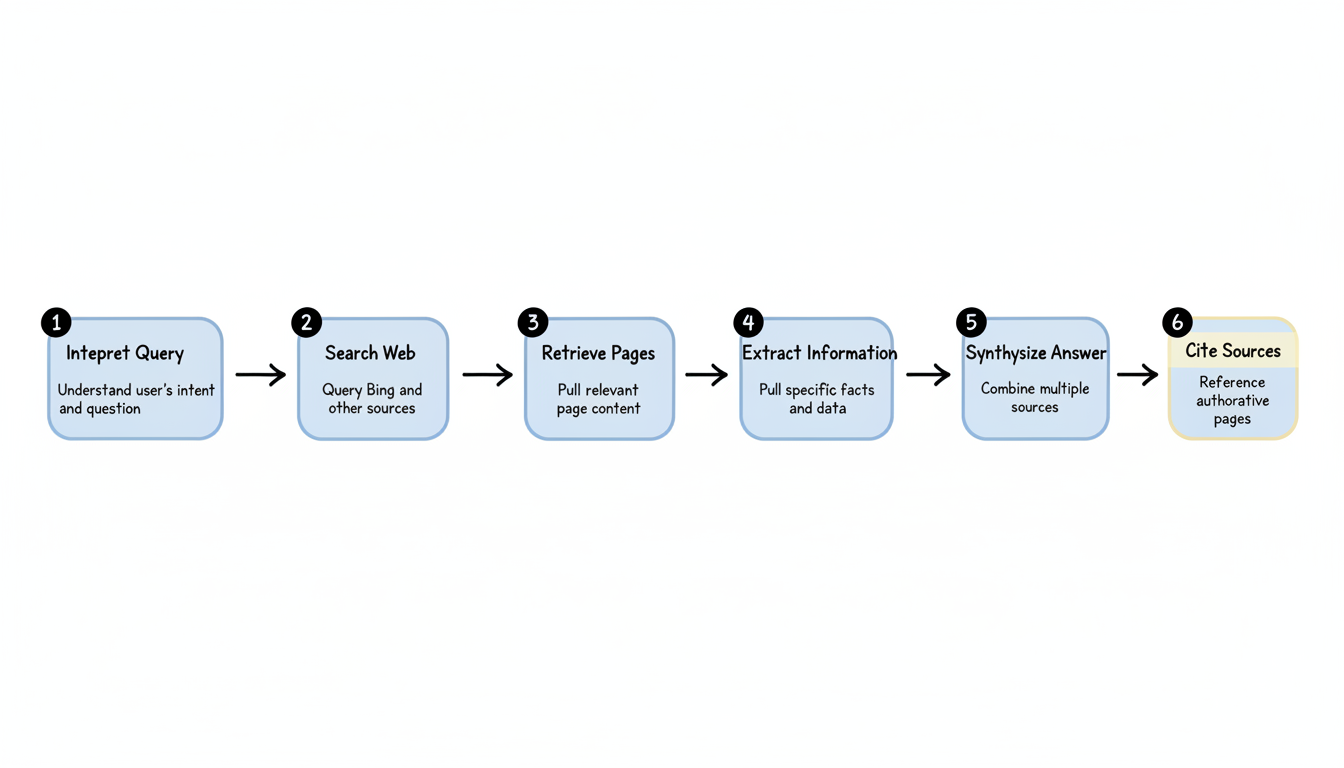
ChatGPT doesn't simply copy content—it creates new responses by synthesizing information from authoritative sources.
ChatGPT favors content that:
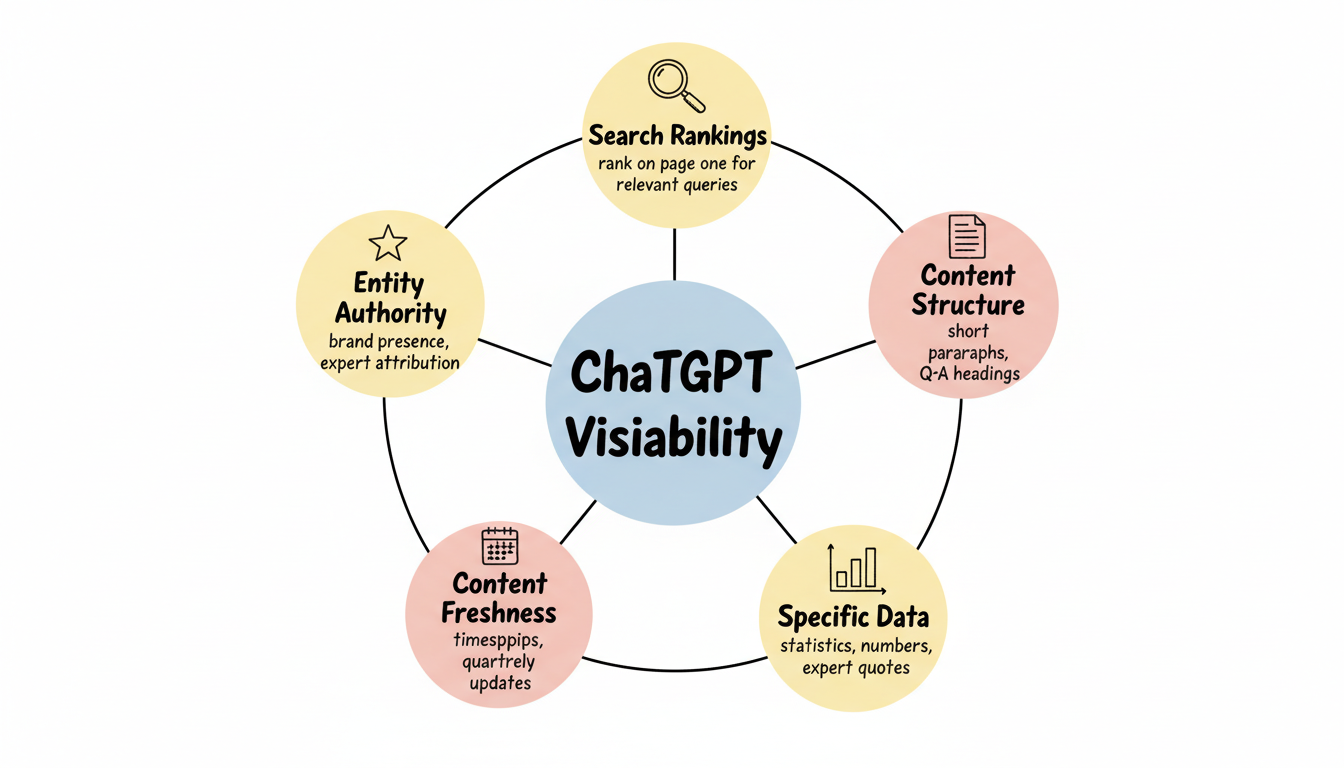
ChatGPT relies heavily on traditional search rankings when selecting sources. Research shows significant overlap between top-ranking pages and pages cited by ChatGPT.
Why this matters: If you don't rank on page one for relevant queries, ChatGPT likely won't find your content during its search process.
Action steps:
Strong organic rankings create the foundation for ChatGPT visibility, making it essential to develop a multi-platform AI search strategy that encompasses both traditional search engines and AI-powered tools.
ChatGPT extracts specific passages to include in answers. Make your content easy to extract.
Paragraph structure:
Question-answer format:
Example structure:
## How Much Does ChatGPT Optimization Cost?

ChatGPT optimization typically requires investment in both SEO
and AI-specific tactics. Basic programs start around $3,000/month,
while comprehensive services range from $8,000-20,000/month
depending on scope and competition.
This structure puts quotable information where ChatGPT can easily extract it. Understanding the principles of AI search content structure helps you format information in ways that AI models prefer when synthesizing answers.
ChatGPT prefers citing content with concrete details over vague claims.
Less effective:
"ChatGPT is very popular and growing fast."
More effective:
"ChatGPT processes over 1 billion weekly searches, making it one of the largest search platforms globally."
Include:
ChatGPT values recent information, particularly for topics that change over time.
Freshness signals:
Outdated content risks being ignored for more recent alternatives.
ChatGPT evaluates whether sources deserve citation based on perceived authority. Organizations developing expertise in answer engine optimization can examine winning in AI overview case studies to understand what authority signals resonate with AI systems.
Authority signals:
Building entity authority takes time but significantly impacts AI citation rates.
ChatGPT uses several user agents to access content:
Check your robots.txt to ensure these aren't blocked. Blocking AI crawlers prevents your content from being found.
Structured data helps AI systems understand your content. Validation is critical, so consider using schema markup validators for AEO to ensure your structured data is properly formatted:
Content must be accessible to be cited:
Regularly test relevant queries in ChatGPT:
Platforms like Otterly.AI, SE Visible, and Scrunch AI track ChatGPT visibility:
Monitor traffic from ChatGPT in your analytics:
ChatGPT relies on search rankings. Strong organic performance supports ChatGPT visibility. SEO foundations matter for AI search.
Structure for extraction. Short paragraphs, question-based headings, and clear answers help ChatGPT cite your content.
Specificity earns citations. Concrete facts and statistics get quoted more than vague claims.
Authority builds over time. Entity recognition and brand authority influence which sources ChatGPT trusts.
No. ChatGPT's responses vary by query, user context, and model version. You can optimize to increase citation probability, but guaranteed placement isn't possible for any specific query.
Technical improvements can impact visibility within weeks. Content optimization typically shows results in 1-3 months. Authority building takes 3-6+ months. Comprehensive visibility improvement often requires 6-12 months.
No. Most ChatGPT optimization techniques—clear structure, quality content, strong authority—align with SEO best practices. The disciplines complement rather than conflict with each other.
By submitting this form, you agree to our Privacy Policy and Terms & Conditions.



