February 19, 2026


Forbes has become a significant voice in the generative engine optimization conversation, with business leaders and marketing experts sharing perspectives on how AI search transforms brand visibility. Understanding these insights helps organizations navigate the strategic shift from traditional SEO to AI-optimized discovery.
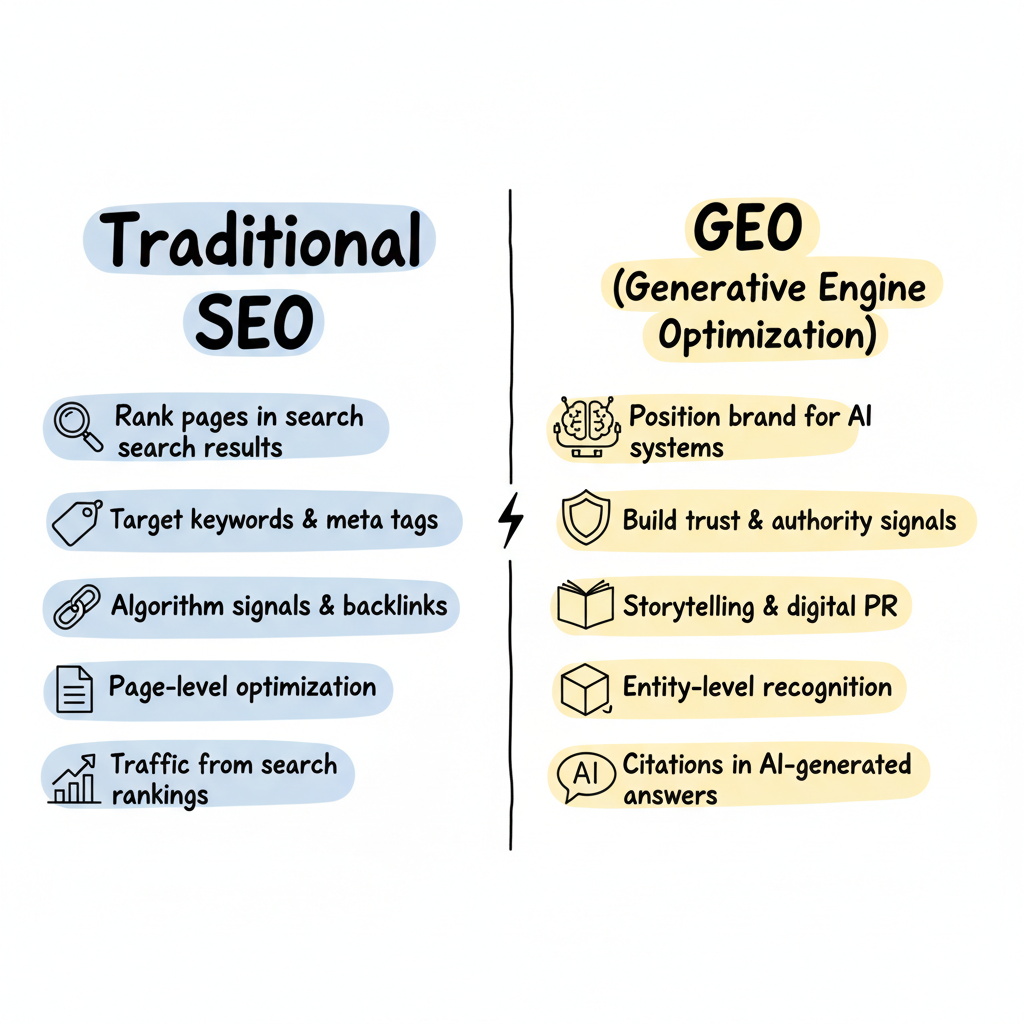
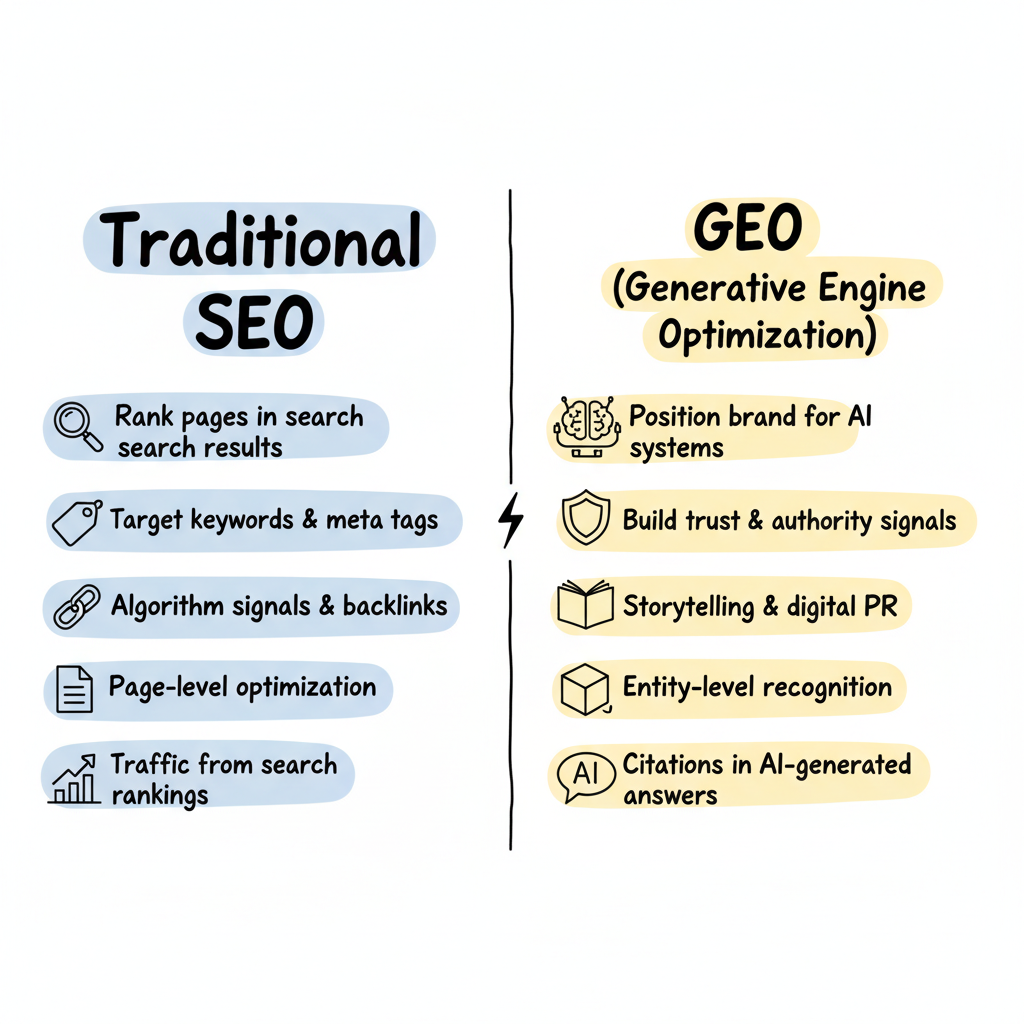
According to Forbes Business Council, in 2026 marketers will finally stop treating Generative Engine Optimization (GEO) as "SEO for ChatGPT" and recognize it for what it actually is: the strategic marriage of positioning, brand and digital PR.
Industry leaders contributing to Forbes consistently frame GEO as more than a tactical SEO extension—it requires strategic brand positioning.
According to Forbes contributor William Arruda, unlike traditional SEO, which focuses on ranking pages, GEO is about making your expertise easy for AI systems to understand, trust, and recommend. This represents a fundamental shift in how brands approach visibility.
Forbes perspectives on GEO fundamentals:
Insight | Source | Implication |
GEO is positioning, not SEO | Forbes Business Council | Requires brand strategy integration |
AI trust differs from search ranking | Forbes contributors | Authority signals matter more |
Storytelling drives AI citations | Forbes Communications | Narrative quality affects visibility |
Digital PR powers GEO | Multiple contributors | External validation essential |
According to Forbes Communications Council, having a strong content strategy helps drive SEO and GEO initiatives, with the most successful brands treating them as complementary rather than separate disciplines.
Forbes coverage highlights the rapid growth of AI-powered search and its impact on brand discovery.
According to Forbes Communications Council analysis, ChatGPT news queries have surged 212% in the past 18 months, indicating dramatic shifts in how users seek information.
AI search growth indicators from Forbes:
According to Forbes Business Development Council, AI-driven referrals now account for 20% of Walmart's traffic and 15% of Target's, prompting more brands to invest in generative engine optimization (GEO).
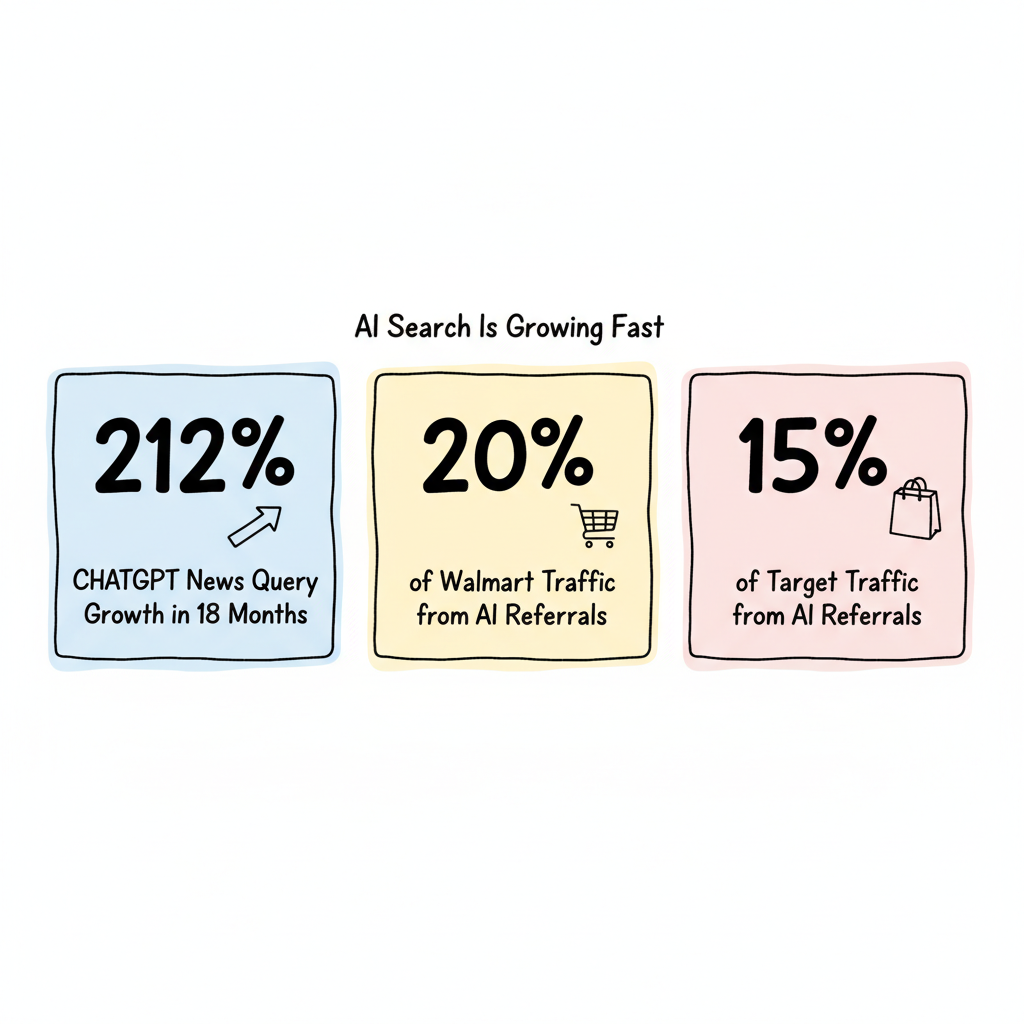
Contributors to Forbes have outlined multiple strategic approaches for achieving AI search visibility.
According to Forbes Communications Council, the brands that excel will be those that treat generative search as an extension of their storytelling, integrating AI visibility into broader brand narrative strategy.
GEO strategies highlighted by Forbes:
Strategy | Implementation | Rationale |
Brand positioning clarity | Define unique value proposition | AI needs clear brand identity |
Digital PR investment | Earn authoritative mentions | Third-party validation drives citations |
Content comprehensiveness | Cover topics thoroughly | AI trusts deep expertise |
Cross-platform consistency | Align messaging everywhere | AI cross-references sources |
Thought leadership | Publish expert perspectives | Establishes authority signals |
Forbes contributors emphasize that GEO success stems from brand positioning rather than technical optimization alone.
According to Forbes Business Council, the organizations winning in AI search are those with clear positioning that AI systems can recognize and recommend—not those with the most optimized meta tags.
Positioning elements that support GEO:
Brand Positioning Foundation
├── Unique value proposition
│   └── What makes you distinctly valuable?
├── Category definition
│   └── Where do you compete?
├── Audience clarity
│   └── Whom do you serve?
└── Differentiation
    └── Why choose you over alternatives?
        ↓
GEO Implementation
├── Consistent messaging across web
├── Expert content that demonstrates positioning
├── PR that reinforces category leadership
└── Third-party validation of claims
Multiple Forbes contributors identify digital PR as critical to generative engine optimization success.
According to Forbes Business Council, GEO represents the strategic marriage of positioning, brand and digital PR—meaning earned media and third-party mentions directly influence AI citations.
Why digital PR powers GEO:
PR Activity | GEO Impact |
Media coverage | Creates citable sources AI trusts |
Expert commentary | Builds authority signals |
Industry awards | Validates category leadership |
Research citations | Establishes expertise |
Partnership announcements | Strengthens entity associations |
Forbes coverage suggests GEO requires organizational change beyond marketing tactics.
According to Forbes Communications Council, brands must approach AI search as an extension of overall brand strategy, not a separate technical initiative managed by SEO teams alone. Organizations implementing geo optimization techniques often discover that traditional SEO frameworks need significant adaptation to succeed in AI-mediated discovery.
Organizational implications from Forbes:
Industry leaders contributing to Forbes project continued evolution in how AI shapes discovery.
According to Forbes Communications Council, traditional search is evolving from a list of links to a curated, conversational experience where brands must earn their place in AI-generated recommendations. This shift has driven demand for specialized answer engine optimization services that help organizations adapt to AI-powered discovery channels.
Future trends highlighted by Forbes:
Forbes perspectives on generative engine optimization reveal strategic patterns:
According to Forbes Business Council, organizations that recognize GEO as a positioning discipline rather than an SEO extension will capture disproportionate visibility as AI-powered search becomes the primary discovery channel. Companies developing their aeo content strategy should prioritize brand positioning and digital PR alongside technical optimization to maximize impact across both traditional search and generative ai for seo applications.
By submitting this form, you agree to our Privacy Policy and Terms & Conditions.