
February 19, 2026


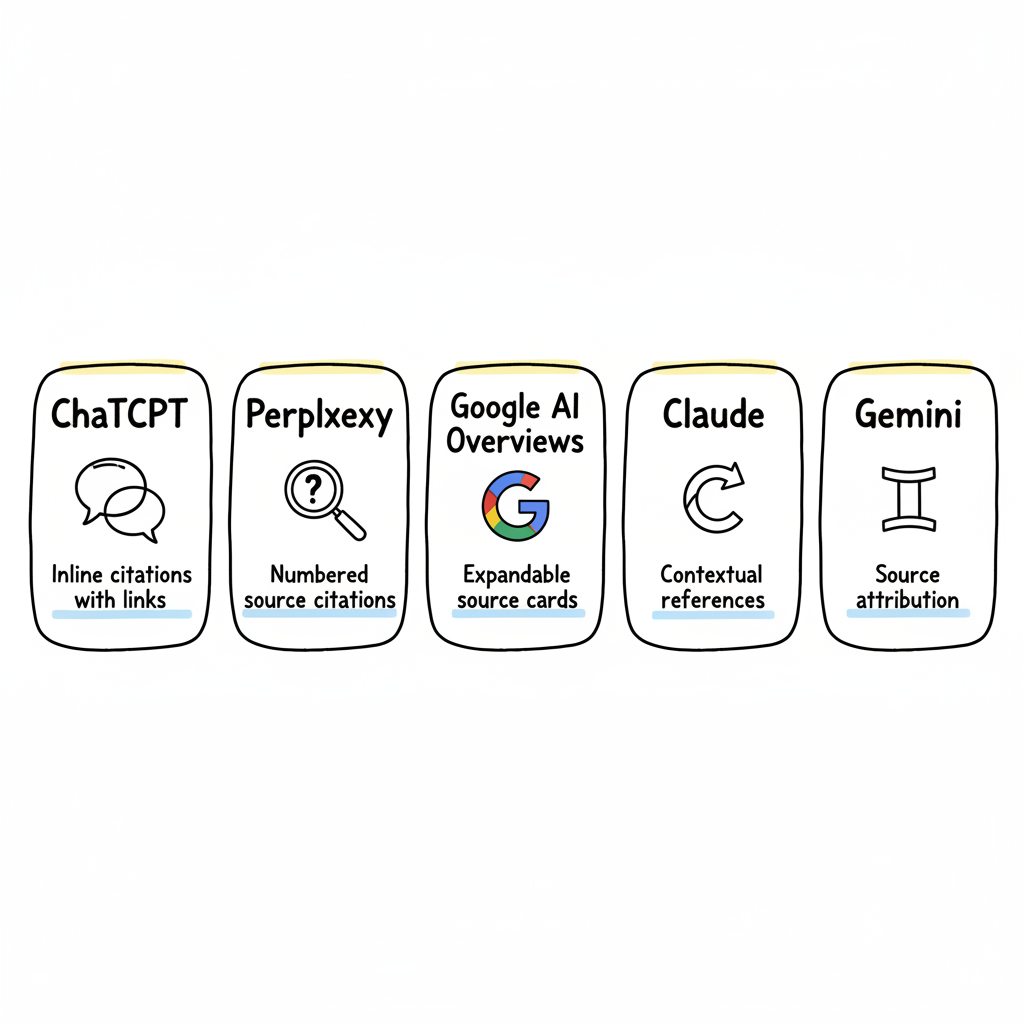
The way users discover information has fundamentally shifted. AI-powered search engines—ChatGPT, Perplexity, Google AI Overviews, Claude, and Gemini—now synthesize answers from multiple sources rather than presenting lists of links. GEO engine optimization is the practice of ensuring your content becomes a trusted source these AI systems cite when generating responses.
According to First Page Sage's analysis, by 2028, over 50% of search queries will be AI-mediated, meaning traditional SEO alone won't capture the full picture of online visibility. Understanding how to optimize for these generative engines is essential for brands that want to maintain discovery pathways.
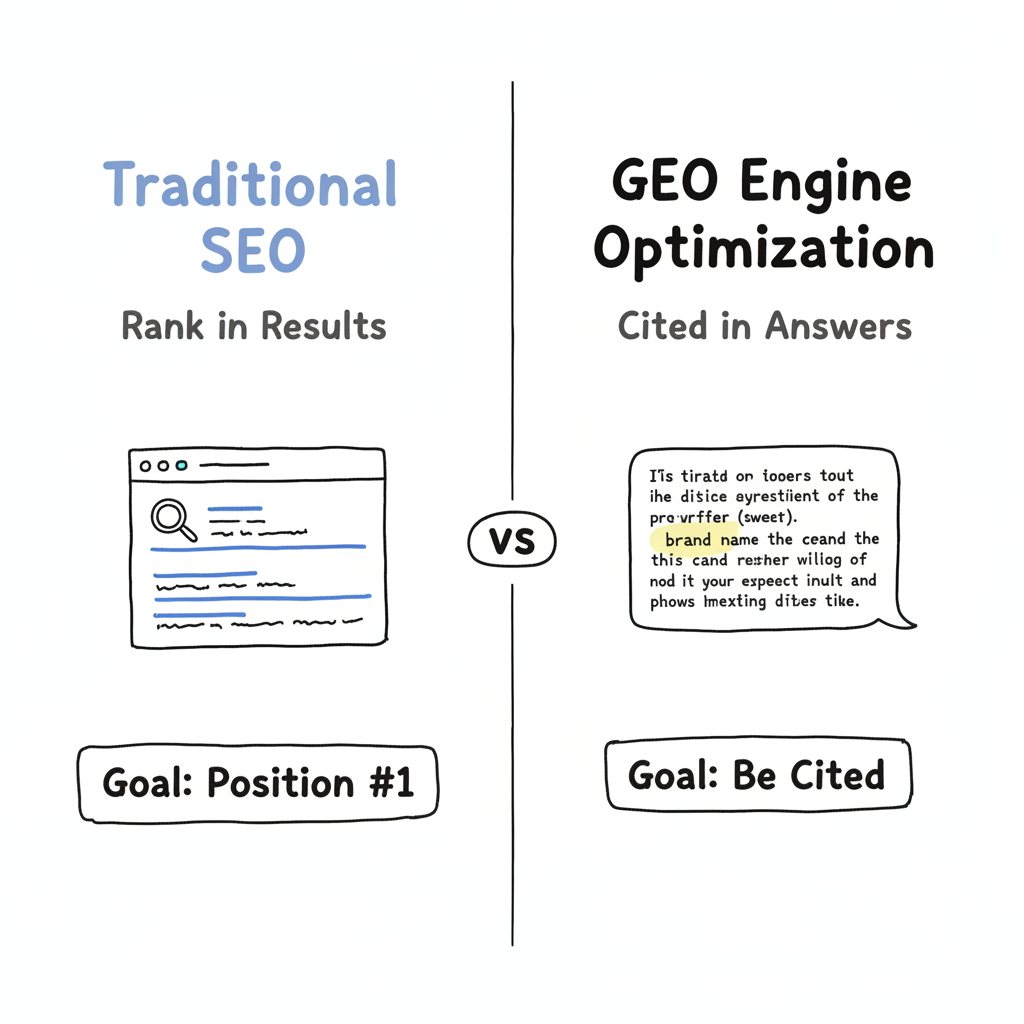
GEO engine optimization focuses on making your content retrievable, trustworthy, and citation-worthy within AI search systems. Unlike traditional SEO where the goal is ranking on a results page, GEO aims to get your brand mentioned, cited, or recommended in AI-generated answers.
According to Search Engine Land's GEO guide, GEO is the practice of optimizing content so it's more likely to be surfaced, cited, or recommended by AI-driven search and discovery platforms. The goal is to become a source that AI systems trust and reference.
GEO engine optimization targets:
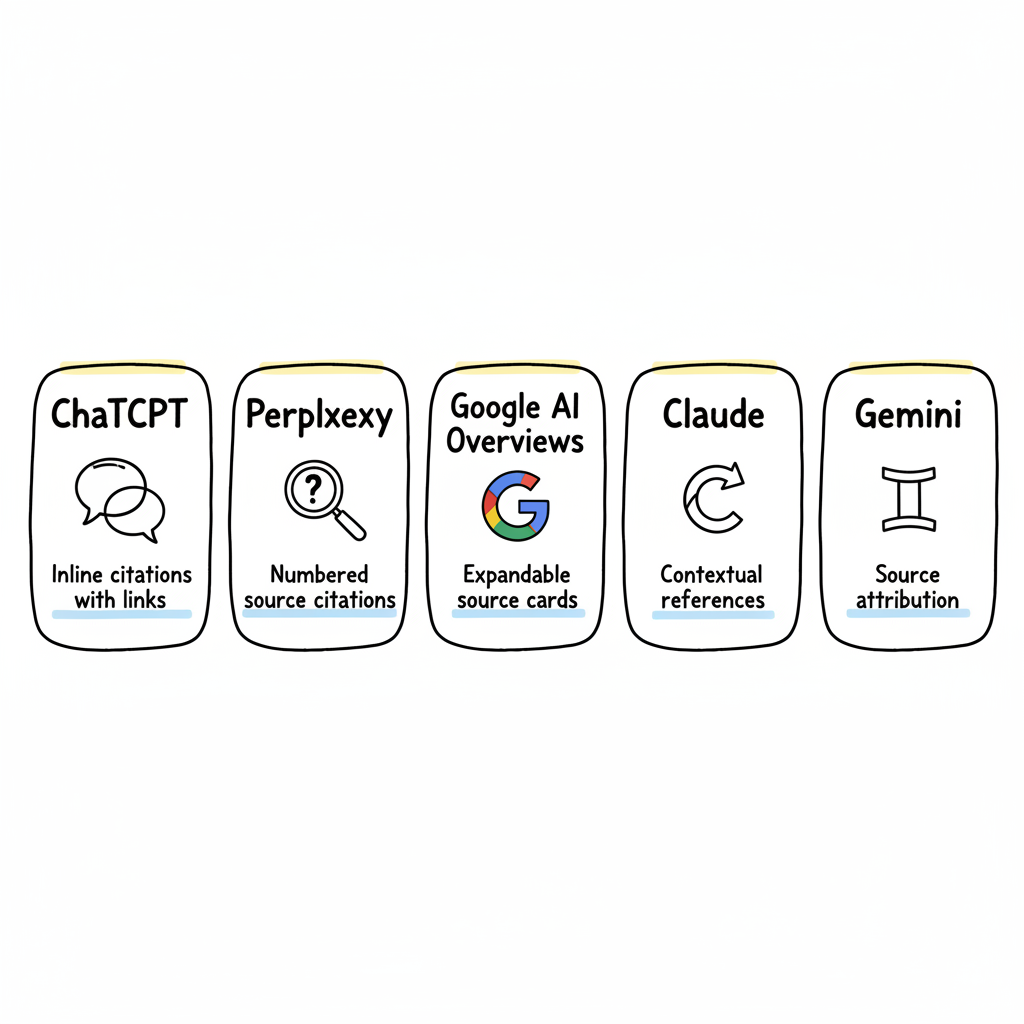
Platform | How It Works | Citation Style |
ChatGPT | Synthesizes from training + web search | Inline citations with links |
Perplexity | Real-time web search + synthesis | Numbered source citations |
Google AI Overviews | Combines search index + AI generation | Expandable source cards |
Claude | Training data + web tools | Contextual references |
Gemini | Google index + generative synthesis | Source attribution |
Understanding how AI systems select sources helps explain why certain optimization strategies work.
According to Conductor's GEO analysis, AI systems evaluate content through multiple stages: retrieval (finding relevant content), ranking (determining quality and relevance), and grounding (using the content to generate accurate responses).
The AI content selection process:
According to SE Ranking's AI visibility guide, AI search engines don't just retrieve information—they evaluate, synthesize, and attribute. Content that passes all evaluation stages earns citations.
AI systems extract information more easily from well-structured content. Answer-ready formatting improves your chances of being cited.
According to Firebrand Marketing's GEO best practices, content should be structured with clear headings, concise paragraphs, and direct answers that AI can extract without heavy processing.
Structural optimization:
AI systems prefer content with verifiable, specific information. Vague generalizations rarely earn citations.
According to Siege Media's GEO guide, statistics, data points, and specific numbers make content more citable because AI systems can verify these claims against other sources.
Fact-density tactics:
Element | Why It Works | Example |
Statistics | Verifiable and precise | "73% of marketers report..." |
Dates | Demonstrates currency | "As of January 2026..." |
Specific numbers | Reduces ambiguity | "$5,000-15,000 monthly" |
Named sources | Builds trust chains | "According to [Source]..." |
Definitions | Aids AI understanding | "GEO, or Generative Engine Optimization, is..." |
AI systems evaluate brands as entities with associated expertise, reputation, and credibility. Consistent entity information across the web strengthens authority signals. Implementing effective knowledge graph optimization can significantly enhance how AI systems perceive your brand's authority and expertise.
According to Nick Lafferty's GEO platform analysis, AI systems cross-reference brand information across Wikipedia, LinkedIn, industry publications, and authoritative directories to assess trustworthiness.
Entity authority development:
Technical factors affect how AI systems access and interpret your content. Schema markup, site structure, and accessibility all matter.
According to Bluefish's GEO platform comparison, AI crawlers evaluate technical signals including schema markup, page speed, mobile optimization, and clean HTML structure when determining source quality.
Technical optimization checklist:
GEO extends traditional SEO rather than replacing it. Many foundational SEO practices support GEO success. Understanding the relationship between SEO and AEO helps brands develop integrated strategies that capture visibility across both traditional search results and AI-generated answers.
According to Omnius's GEO industry report, SEO focuses on ranking pages in search results lists, while GEO focuses on making content understood, trusted, and referenced by AI. The practices overlap but serve different discovery mechanisms.
How GEO differs from SEO:
Aspect | Traditional SEO | GEO Engine Optimization |
Goal | Rank in results | Get cited in answers |
Success metric | Position, CTR | Citation frequency, share of voice |
Content format | Optimized for scanning | Optimized for extraction |
Link building | Backlinks for authority | Mentions for entity recognition |
Technical focus | Crawlability, indexing | AI accessibility, schema |
Several common approaches undermine GEO effectiveness.
According to eesel AI's tools analysis, brands often make mistakes that prevent their content from being cited, even when the content itself is high quality.
Mistakes to avoid:
Tracking GEO performance requires different metrics than traditional SEO. Setting appropriate AI search KPI goals ensures your team measures what matters for visibility in generative engines rather than relying solely on traditional search metrics.
According to SE Ranking's visibility tools guide, GEO success is measured by citation frequency, share of voice versus competitors, citation context quality, and traffic from AI referrals.
GEO measurement framework:
Metric | What It Measures | How to Track |
Citation frequency | How often AI mentions your brand | AI monitoring tools |
Share of voice | Your visibility vs competitors | Competitive analysis platforms |
Citation context | Quality and accuracy of mentions | Manual audits, sentiment tools |
AI referral traffic | Visitors from AI platforms | Analytics with source segmentation |
Entity accuracy | Correctness of AI brand information | Regular monitoring |
GEO engine optimization is essential for visibility in AI-powered search:
According to First Page Sage, brands that invest in GEO engine optimization now will capture visibility as AI search adoption accelerates. The optimization practices overlap with quality SEO but require specific focus on AI citation factors.
By submitting this form, you agree to our Privacy Policy and Terms & Conditions.



