
February 19, 2026


Running effective Facebook ads in 2026 requires more than just boosting posts and hoping for results. With Meta's Andromeda algorithm update delivering 5% or higher conversion improvements, the platform rewards advertisers who understand how to work with machine learning rather than against it.
This guide gives you 10 actionable tips to run successful Facebook ads, the most common mistakes to avoid, and a checklist you can use before launching any campaign.
Always optimize for your actual goal. According to expert strategies for 2026, setting your conversion event to "purchase" rather than add-to-cart or link clicks tells Facebook exactly what you want. The algorithm then finds people most likely to buy, not just browse.
Meta's machine learning has evolved significantly. Industry experts recommend starting with broad targeting and letting the algorithm optimize, especially for accounts with limited historical data. Turn on Advantage+ audience and avoid overly restrictive interest targeting initially. For businesses looking to leverage these targeting capabilities at scale, working with a Facebook ads management agency can provide expert guidance on audience optimization.
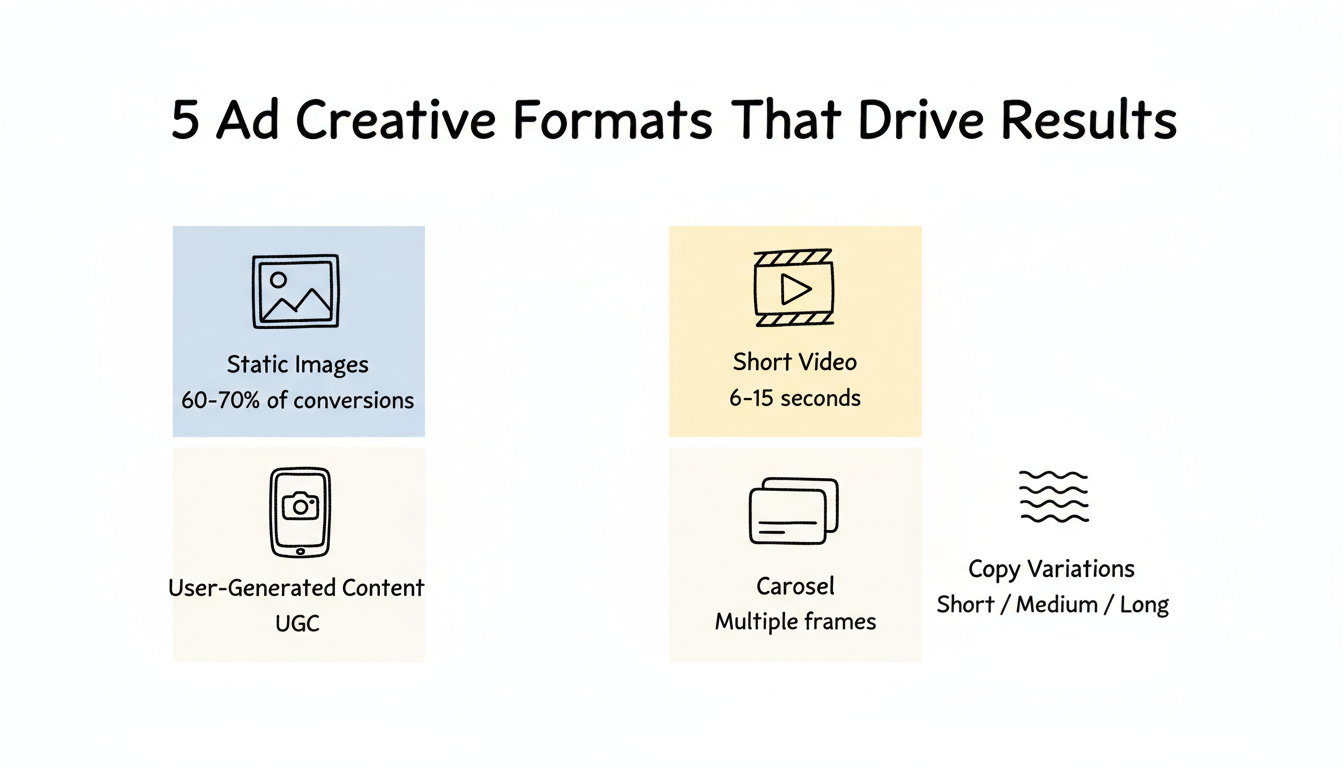
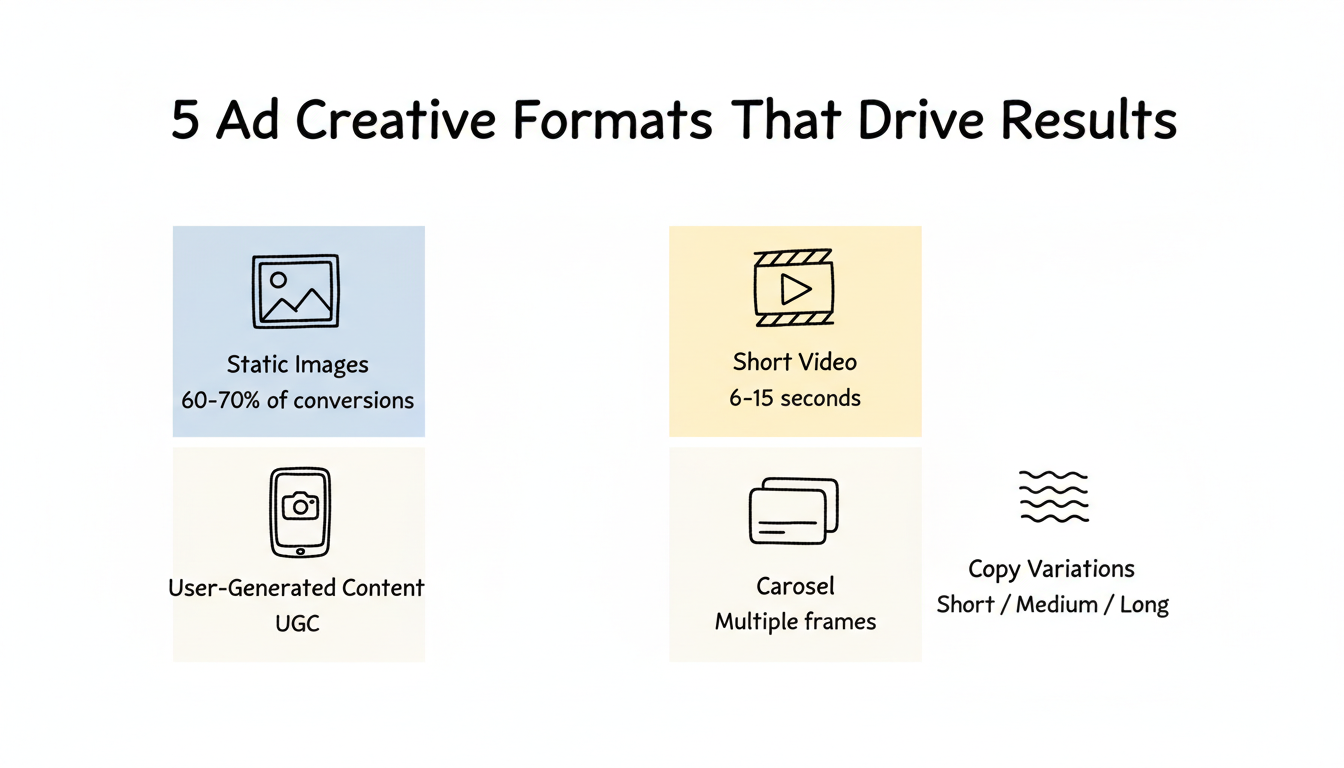
Creative sameness kills performance. According to Meta advertising specialists, launching ads with small variations—same image with different copy, or slight design tweaks—results in minimal spend distribution.
Build a creative library that includes:
People scroll fast—well under two seconds on average. Your video or image needs an immediate hook. Lead with movement, a bold statement, or a surprising visual. Save the logo for later.
Effective ad copy follows these principles:
The recommended 2026 structure involves two main campaigns: a scaling campaign with proven winners and a testing campaign for new creative. Put 70-80% of budget in scaling, 20-30% in testing. Understanding proper meta ads scaling strategy ensures you maximize returns while maintaining campaign stability.
Use Campaign Budget Optimization (CBO) but set minimum ad set spend limits equal to your target CPA. This prevents one ad set from consuming all budget while others starve.
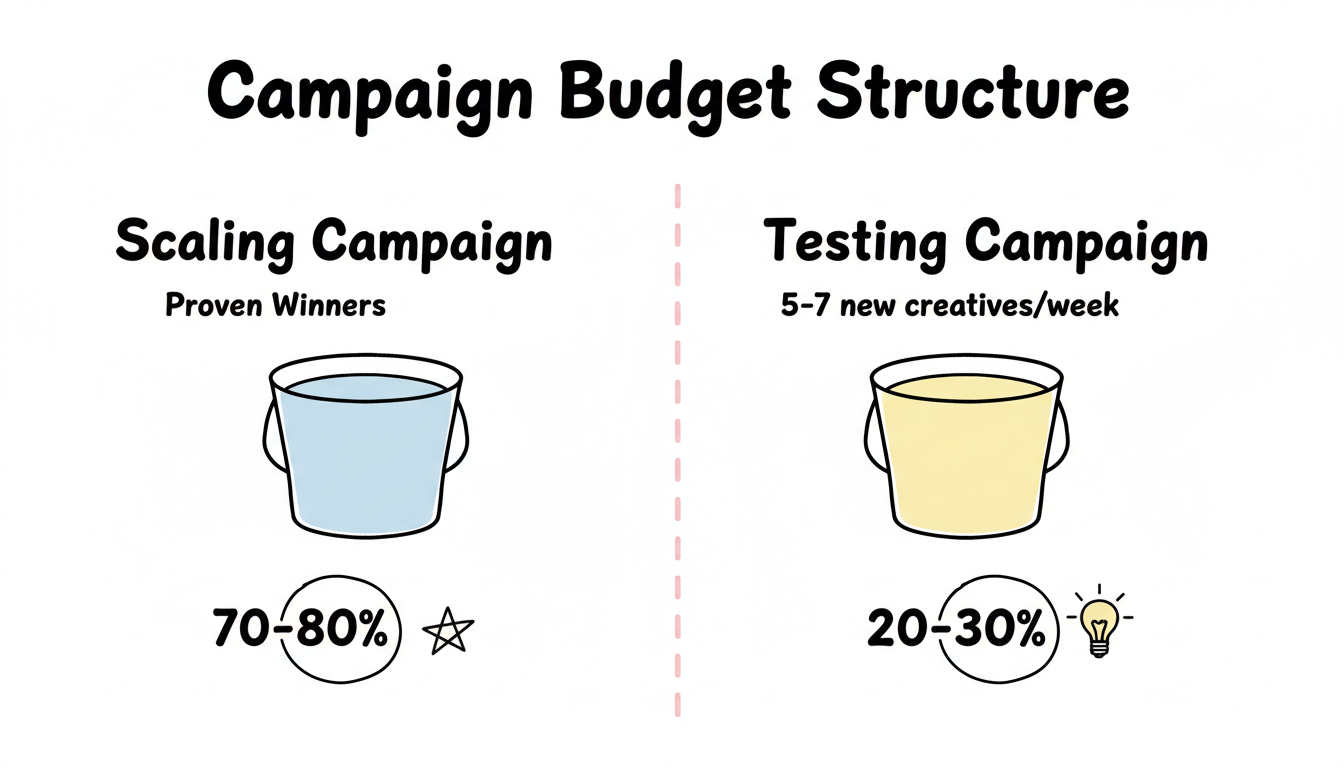
Launch 5-7 unique creative concepts weekly into your testing campaign. According to scaling experts, winning creatives should be moved to your proven campaign while underperformers get cut quickly. Run tests for 7 days maximum before making decisions.
When you find winning ads, scale carefully. Increase budgets by 10-20% every 2-3 days—not overnight. Dramatic budget increases reset the learning phase and can tank performance.
Example scaling path:
Install the Meta Pixel on all pages and implement the Conversions API for server-side tracking. This redundancy ensures accurate measurement even with browser privacy restrictions. Set up UTM parameters for cross-platform attribution. Measuring performance correctly is essential for calculating ROI on Facebook ads and making data-driven optimization decisions.
Over 90% of Facebook users access the platform on mobile. Always preview ads on mobile devices before launching. Ensure text is readable, buttons are tappable, and videos work with sound off (use captions).
These errors drain budgets and kill performance:
No Clear CTA Every ad needs one obvious action. "Learn More" works for awareness, but "Shop Now" or "Get Quote" converts better for sales objectives.
Ignoring the Funnel Using the same ad for cold prospects and retargeting wastes money. Cold audiences need education; warm audiences need offers.
Manual Placement Selection Unless you have specific data proving otherwise, let Meta optimize placements automatically. Manual selection often limits delivery and increases costs.
Making Changes Mid-Campaign Pausing ads, changing creative, or adjusting budgets too frequently resets the learning phase. Give campaigns 3-5 days to optimize before making changes.
Only One Ad Creative Running a single creative means you have no data on what works and no protection against creative fatigue. Always test multiple variations.
Targeting Too Narrow Audiences under 100,000 people rarely scale well. Broader targeting lets the algorithm find buyers you wouldn't have guessed. Learning Facebook ads targeting fundamentals helps you avoid this common pitfall while giving Meta's algorithm room to optimize.
Use this checklist before launching any Facebook ad campaign:
By submitting this form, you agree to our Privacy Policy and Terms & Conditions.



