February 19, 2026


Running Facebook ads as an agency requires more than just knowing how to create campaigns. You need systematic processes for onboarding clients, structuring accounts, delivering reports, and scaling your operations without breaking down. Without these foundations, agency growth becomes chaotic and unsustainable.
This guide covers the essential workflows for managing client Facebook ads professionally, from the first onboarding call through scaling to multiple accounts.
The onboarding process sets the tone for your entire client relationship. A structured approach prevents confusion, establishes clear expectations, and gets campaigns launched faster.
Before starting any technical setup, gather essential information:
Business Information:
Assets Needed:
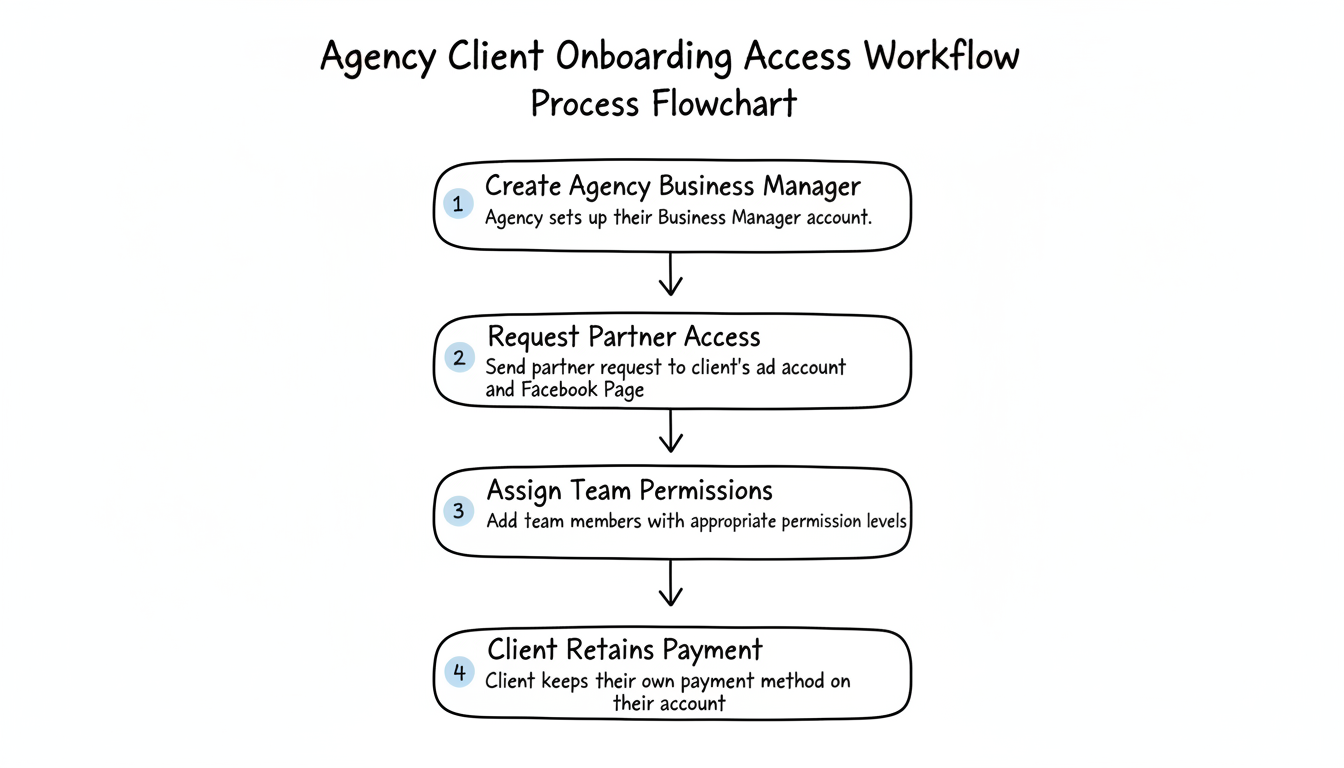
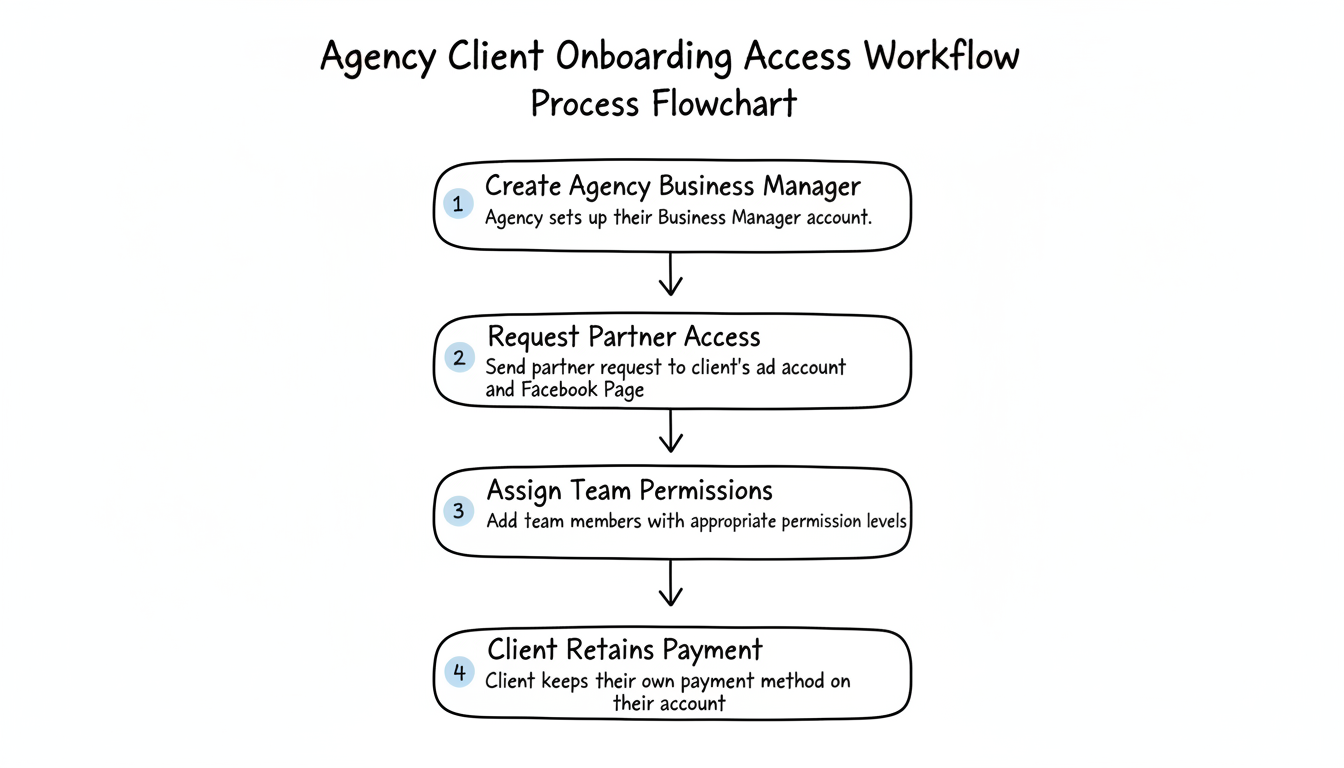
According to agency onboarding best practices, the golden rule is requesting Partner access rather than direct admin access. This keeps billing and ownership clear while avoiding disputes.
Proper Access Workflow:
This separation is essential. When working with a meta ad agency account, using Partners for agencies rather than personal accounts makes it easier to revoke access cleanly and audit permissions.
Create standardized documents for every client:
A clean account structure makes optimization easier and prevents confusion as you scale.
Structure campaigns around business goals rather than audiences or tactics:
By Objective:
By Product Line: For ecommerce clients with multiple product categories, consider separating campaigns by product line. This provides clearer performance data per category and allows independent budget control.
According to Facebook ads scaling strategies, keeping structure simple allows you to focus time on creatives, landing pages, and offers rather than managing complex account architectures that do not move the business forward.
Consistent naming makes accounts navigable for your team and clients:
Recommended Format: [Client] | [Objective] | [Audience] | [Date]
Example: Acme | Prospecting | Lookalikes | Jan2026
Elements to Include:
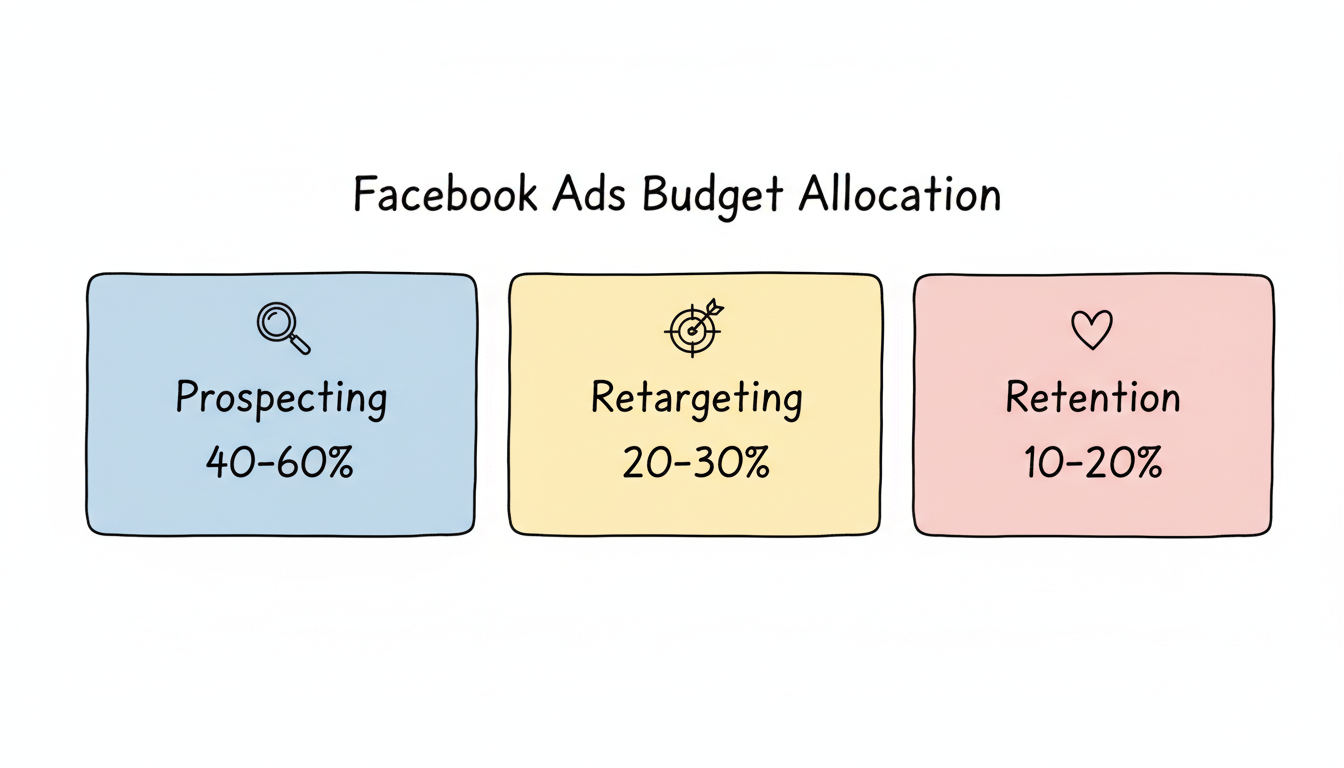
Set clear budget rules for each campaign type. Understanding facebook ads cost per month helps you allocate resources appropriately across campaign types:
Campaign Type | Typical Allocation | Purpose |
Prospecting | 40-60% | New customer acquisition |
Retargeting | 20-30% | Engaged audience conversion |
Retention | 10-20% | Customer lifetime value |
Adjust allocations based on client goals and funnel maturity.
Consistent, clear reporting builds trust and demonstrates value.
Weekly Updates:
Monthly Reports:
Quarterly Reviews:
Focus reporting on metrics clients actually care about:
Primary KPIs:
Secondary Metrics:
According to Meta ads best practices, monitoring key metrics like ROAS, CPA, and CTR daily helps identify what works and what needs adjustment quickly. Tools like a facebook ads roi calculator can help you demonstrate campaign value to clients clearly.
Build reporting workflows that scale:
Automated reporting saves hours weekly as your client count grows.
Growing from a few clients to many requires systems that do not depend on your personal involvement in every task.
Document every recurring task:
Standard operating procedures (SOPs) enable team members to execute consistently and allow you to onboard new hires quickly.
As you grow, consider specialization:
Small Team (1-5 Clients):
Medium Team (5-15 Clients):
Large Team (15+ Clients):
According to agency automation guides, scaling requires moving beyond manual management. Identify tasks that can be automated:
Focus your time on strategy and client relationships rather than repetitive tasks. Learning how to run facebook ads efficiently through automation becomes critical at scale.
Maintain quality as you scale:
Do not sacrifice service quality for growth. One bad client experience damages reputation more than three good ones build it.
This depends on account complexity and service level. A skilled media buyer can typically manage 5-10 accounts with moderate budgets. Higher-touch clients or larger accounts may require dedicated attention. Automation and strong processes increase capacity.
Always use the client's ad account with Partner access. This ensures the client owns their data, pixel learning, and audience history. If the relationship ends, they keep their assets. This approach also keeps billing transparent.
Set clear expectations during onboarding about optimization cadence. Explain that constant changes prevent the algorithm from learning. Offer weekly strategy calls to discuss ideas, but implement changes on a structured schedule. Document this in your service agreement.
By submitting this form, you agree to our Privacy Policy and Terms & Conditions.