
February 19, 2026


Last Updated: January 2026
Artificial intelligence has fundamentally changed search engine optimization. From how search engines interpret queries to how marketers optimize content, AI now drives nearly every aspect of modern SEO. Understanding this transformation helps businesses adapt their strategies for the AI-powered search landscape.
This guide explains how AI has reshaped SEO and what it means for your optimization efforts in 2026.
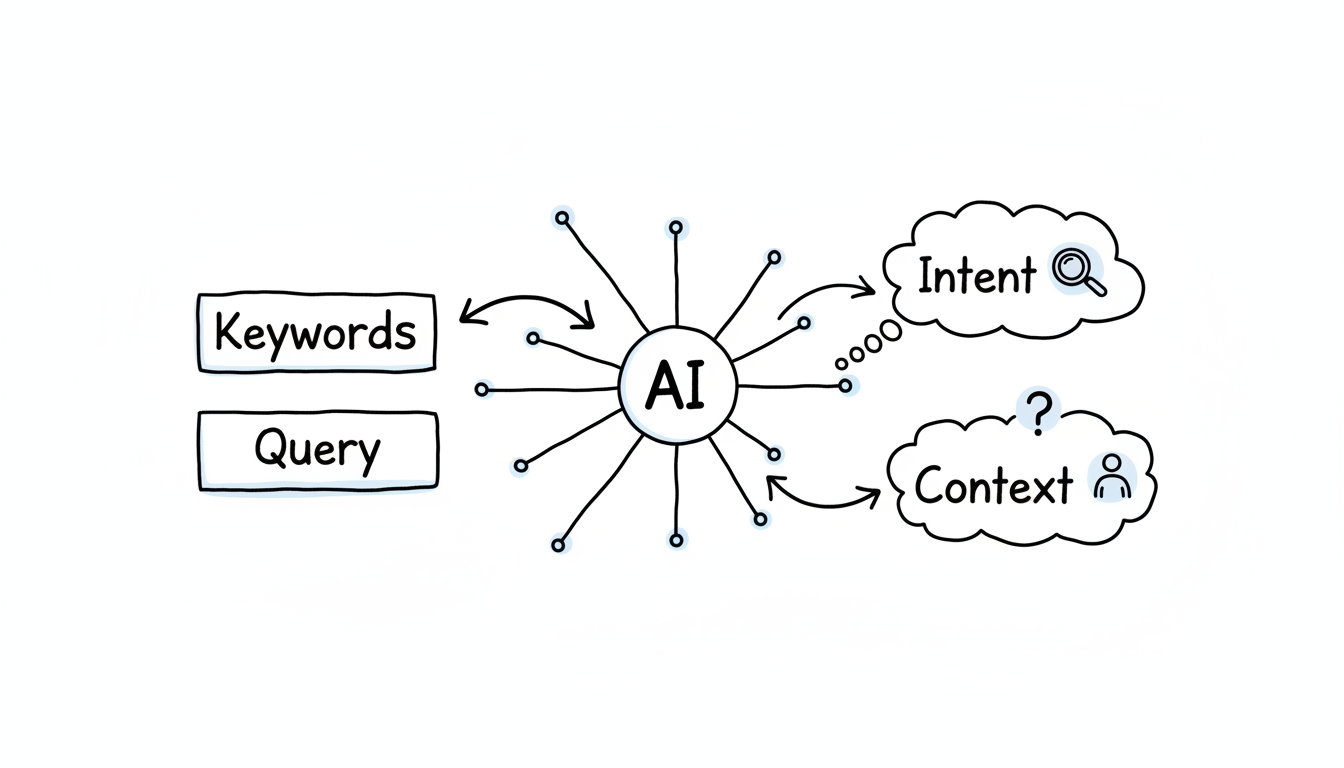
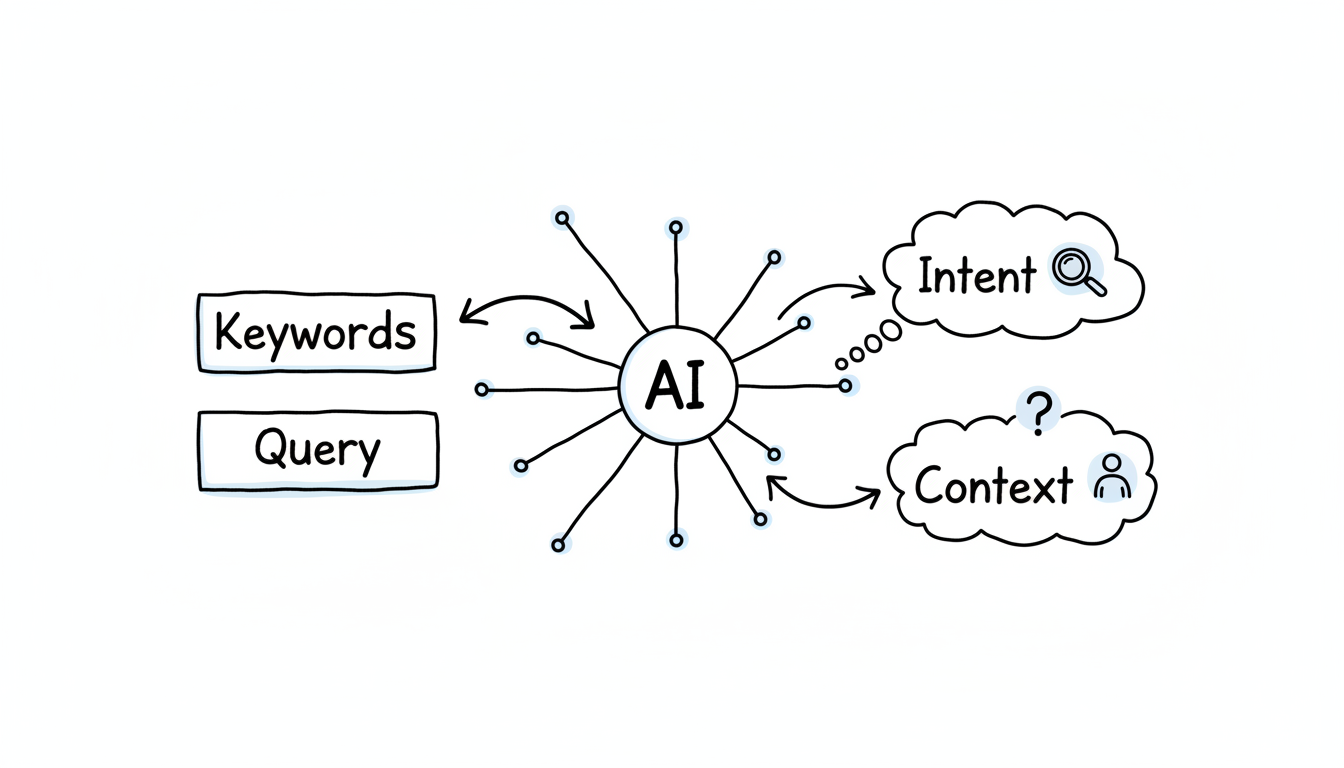
Search engines no longer simply match keywords to documents. Modern AI-powered search systems understand context, intent, and relationships between concepts.
Traditional search algorithms matched search queries to pages containing those exact terms. AI-driven search understands what users actually want, even when their queries are ambiguous or conversational.
When someone searches "best way to learn guitar," AI systems recognize they want instructional content, not product pages—even though "product pages" never appeared in the query.
AI enables search engines to understand the meaning behind content, not just the words it contains. Google's systems can now:
This evolution requires a different approach than traditional SEO for generative AI, where optimization strategies must account for how AI systems interpret semantic relationships.
The most significant shift: search engines now generate answers directly. Google AI Overviews, powered by Gemini, synthesize information from multiple sources into comprehensive responses. ChatGPT Search and Perplexity operate similarly, citing sources as they answer questions.
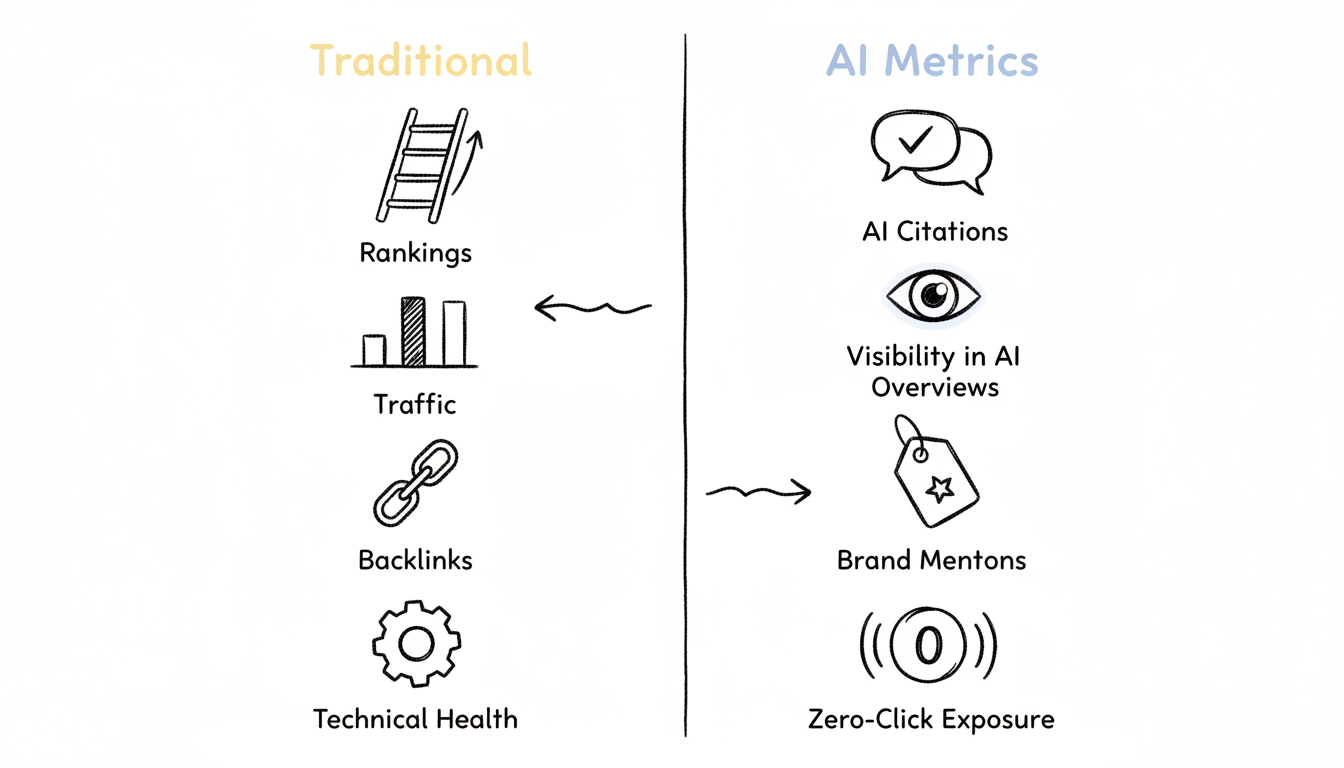
This changes SEO's goal from "rank higher" to "get cited."
Beyond changing search engines, AI has transformed how SEO professionals work.
Modern SEO tools use machine learning to process billions of data points, identifying:
Tools like SE Ranking, Clearscope, and Semrush now incorporate AI modules that go beyond data retrieval to provide strategic recommendations.
AI SEO tools can now forecast ranking potential before content is published. By analyzing patterns across thousands of SERPs, these systems calculate probability scores for ranking success, helping teams prioritize efforts on winnable opportunities.
AI writing assistants and optimization tools analyze top-ranking content to identify:
This doesn't replace human creativity—it ensures content meets the technical requirements AI systems use to evaluate relevance. Implementing proper AI content optimization techniques helps bridge the gap between human-created content and machine comprehension.
AI agents can now execute multi-step SEO tasks autonomously:
The shift from tools that assist to agents that execute represents the next evolution in AI-powered SEO.
Success in AI-powered search requires adapting traditional SEO practices.
AI systems favor content they can easily parse and validate:
Content structured for AI comprehension performs better both for traditional rankings and AI citation. Understanding the AI overview content requirements ensures your content meets the technical standards these systems expect.
AI systems assess expertise at the site level, not just page level. Building comprehensive coverage of your core topics signals authority that influences all related content.
Research indicates top performers in AI search traffic have developed content clusters covering topics thoroughly rather than targeting individual keywords. This approach aligns with entity-based SEO topical authority strategies that signal expertise to AI systems.
Experience, Expertise, Authoritativeness, and Trustworthiness matter more than ever. AI systems evaluate:
These signals influence both traditional rankings and AI citation decisions.
When AI systems generate responses, they cite sources they consider trustworthy and relevant. Earning citations requires:
AI-driven search requires new measurement approaches.
Early adopters of AI visibility measurement report up to 527% year-over-year growth in AI-driven search traffic, demonstrating the opportunity for brands that adapt.
Search your brand and key topics in ChatGPT, Perplexity, and Google AI Overviews. Document what appears and identify gaps.
Evaluate whether your content is organized for AI comprehension. Add clear headings, direct answers, and schema markup where missing.
Rather than chasing keywords, build comprehensive coverage of topics where you have genuine expertise.
Track both traditional SEO metrics and emerging AI visibility signals. Adjust strategy based on what earns citations.
AI has transformed search engine optimization from a technical discipline focused on rankings to a strategic practice focused on being the trusted source AI systems cite. The fundamentals haven't changed—quality content, genuine expertise, and user value remain essential. But the tactics for demonstrating those qualities to AI systems require adaptation.
The businesses that understand this shift and adapt their SEO strategies accordingly gain significant competitive advantage as AI-powered search becomes the norm.
By submitting this form, you agree to our Privacy Policy and Terms & Conditions.



