February 19, 2026


Understanding how SearchGPT and ChatGPT search select and cite sources remains one of the most challenging aspects of AI search optimization. Unlike Google's well-documented algorithm updates, OpenAI's search functionality operates with less transparency—yet patterns are emerging that reveal how citation selection works and how it continues to evolve.
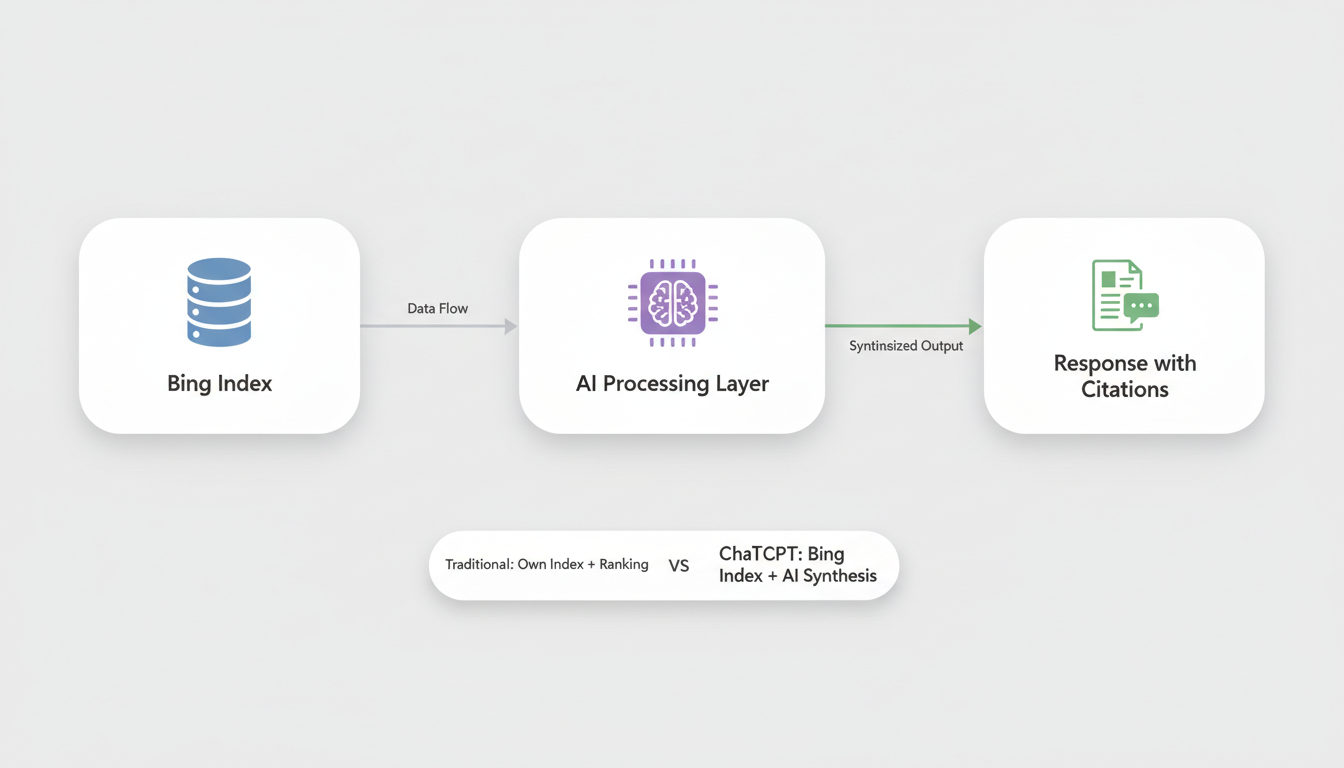
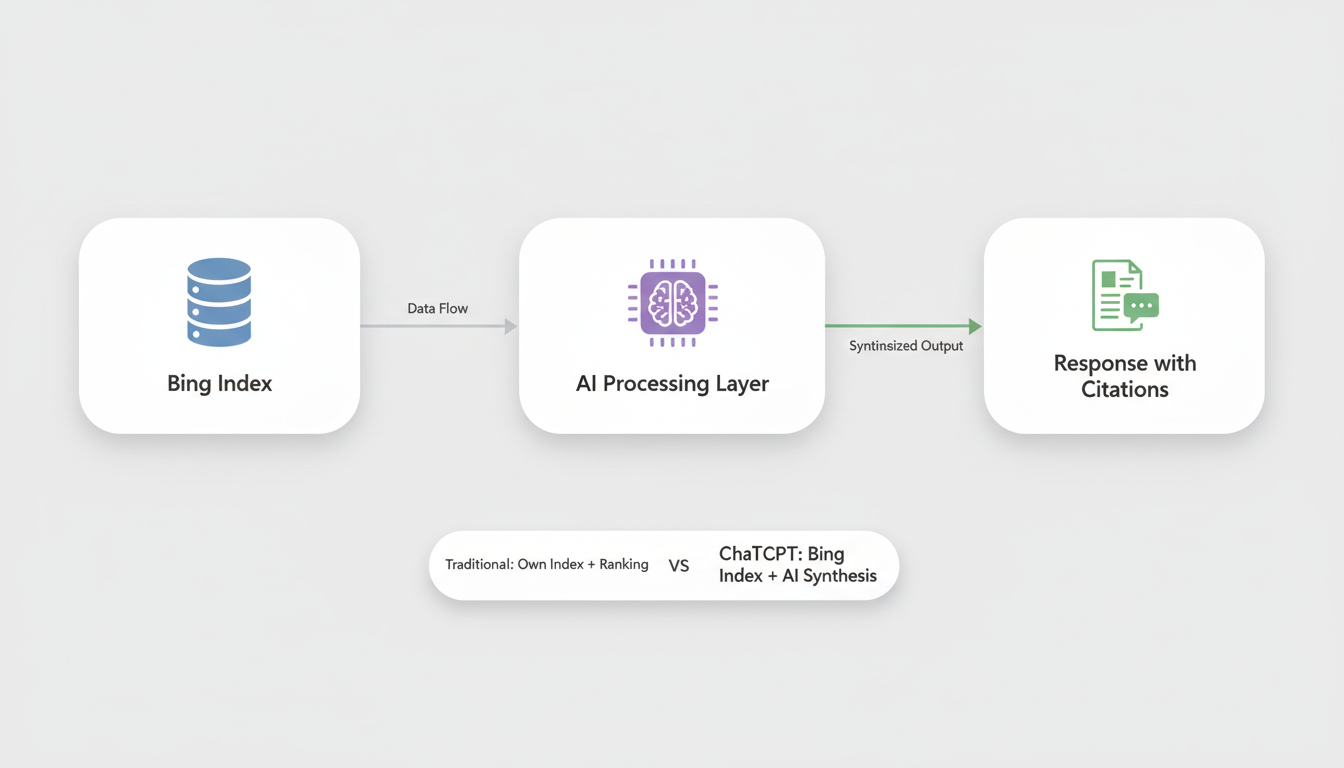
ChatGPT's search functionality relies on infrastructure that differs fundamentally from traditional search engines.
Current architecture:
Key distinction: ChatGPT doesn't maintain its own web index. Instead, it queries Bing's index, then applies AI processing to select, summarize, and cite sources. This architecture means Bing visibility remains important for ChatGPT citation potential.
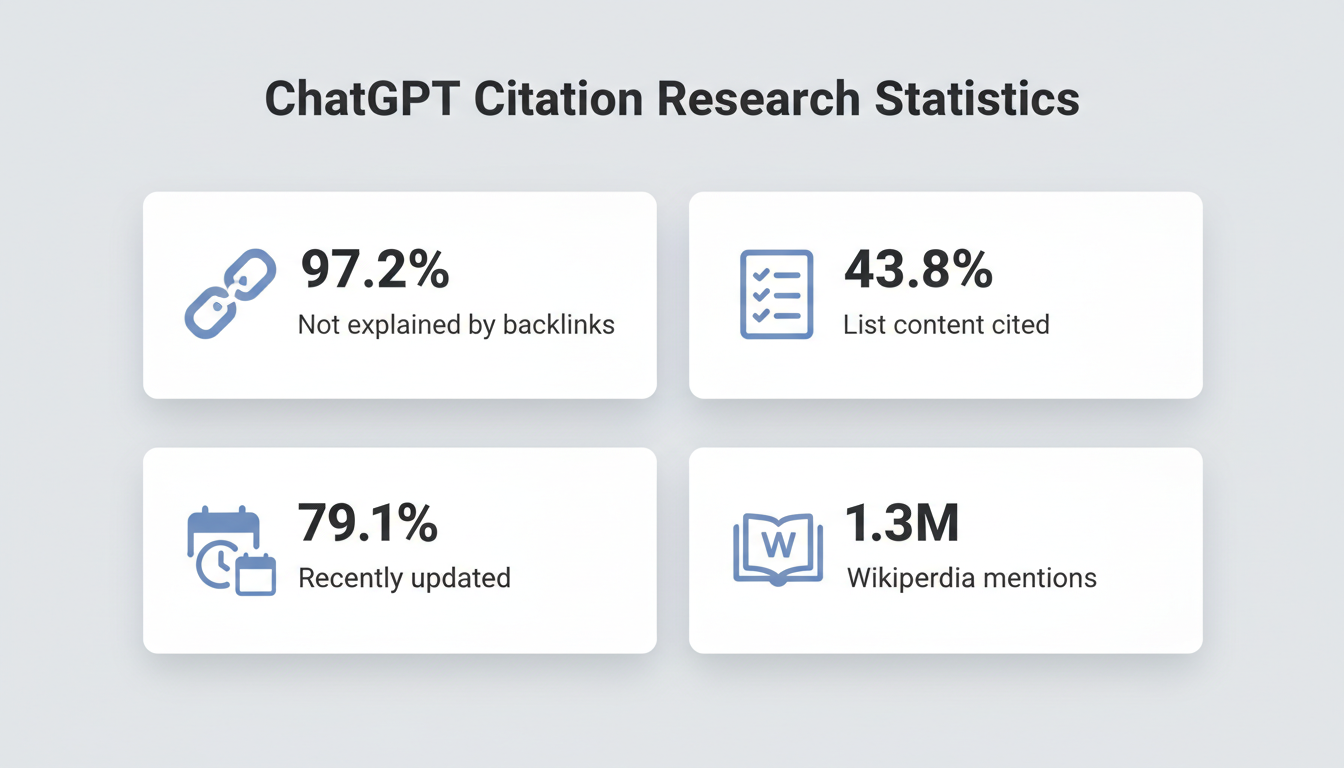
Research analyzing millions of AI-generated citations reveals surprising patterns about how sources get selected.
Citation research findings:
What this reveals: Traditional SEO signals like backlinks matter less for AI citation than previously assumed. Content format, freshness, and structured information appear to carry greater weight in AI source selection.
While OpenAI doesn't publish ranking factors, observed patterns indicate several influential elements. Understanding these factors is crucial for competitive AI search benchmarking and optimization efforts.
Factors influencing citations:
Content format: List-based content, structured comparisons, and clearly organized information earn disproportionate citations. AI systems can more easily parse and synthesize formatted content.
Source authority: Established publications and recognized industry sources appear more frequently in citations. Third-party validation signals matter significantly.
Freshness: Recently updated content shows strong citation preference. AI systems favor current information, particularly for queries with temporal relevance.
Topical depth: Comprehensive coverage of subjects increases citation likelihood across related queries. Shallow content rarely earns AI mentions.
Structured data: Schema markup and clear semantic structure help AI systems understand and accurately cite content.
ChatGPT search has evolved significantly since launch.
Notable developments:
Observed behavioral changes:
Early research suggests AI citation patterns may become self-reinforcing over time, making tracking SearchGPT market share adoption trends essential for understanding competitive dynamics.
Entrenchment dynamics:
This entrenchment effect makes current AI optimization efforts particularly valuable—establishing citation presence now may yield long-term benefits as AI search matures.
ChatGPT search produces notably different results than traditional Google search.
Key differences:
Strategic implications: Optimizing for ChatGPT requires distinct approaches from Google SEO. Success in traditional search doesn't automatically translate to AI visibility, and vice versa. Organizations must also consider Google AI Overview ranking factors as part of a comprehensive strategy.
Tracking ChatGPT search behavior requires new monitoring approaches.
Monitoring strategies:
Regular query testing: Run consistent queries periodically to observe citation changes over time. Document which sources appear and how responses evolve.
Citation tracking: Monitor whether your content appears in AI responses for target queries. Track both presence and position within responses.
Competitive observation: Watch which competitors earn citations for your target topics. Analyze what differentiates cited content from non-cited content.
Traffic analysis: Monitor referral traffic from AI sources. Sudden changes may indicate algorithm shifts affecting your visibility.
Responding effectively to AI search evolution requires proactive approaches.
Strategic responses:
Content format optimization: Structure content in formats AI systems prefer—clear headings, list structures, comparison tables, and organized information hierarchies. Consider SearchGPT content format list vs narrative preferences.
Freshness maintenance: Establish regular content update schedules. AI systems favor current information, making ongoing maintenance essential.
Authority building: Develop third-party validation through media mentions, industry recognition, and authoritative backlinks. AI systems weight external validation heavily.
Multi-platform presence: Ensure visibility across platforms AI systems query, including Bing optimization alongside Google focus.
Structured data implementation: Implement comprehensive schema markup to help AI systems accurately understand and cite your content.
AI search continues evolving rapidly with several likely developments.
Anticipated changes:
Preparation strategies:
Organizations treating AI search optimization as ongoing practice rather than one-time effort position themselves to navigate continued evolution successfully.
No. ChatGPT search relies primarily on Bing's search index for web information retrieval. The AI layer processes and synthesizes results from Bing, applying its own citation selection logic. This means Bing visibility remains relevant for ChatGPT citation potential.
OpenAI doesn't announce algorithm updates like Google does. Changes appear to occur continuously rather than in discrete updates. Monitoring citation patterns over time reveals gradual shifts in source selection behavior rather than sudden algorithmic changes.
Traditional rank tracking doesn't apply to AI search. Instead, monitor whether your content appears in AI responses for target queries, track referral traffic from AI sources, and observe citation presence over time. Several emerging tools provide AI search visibility tracking.
By submitting this form, you agree to our Privacy Policy and Terms & Conditions.