
February 19, 2026


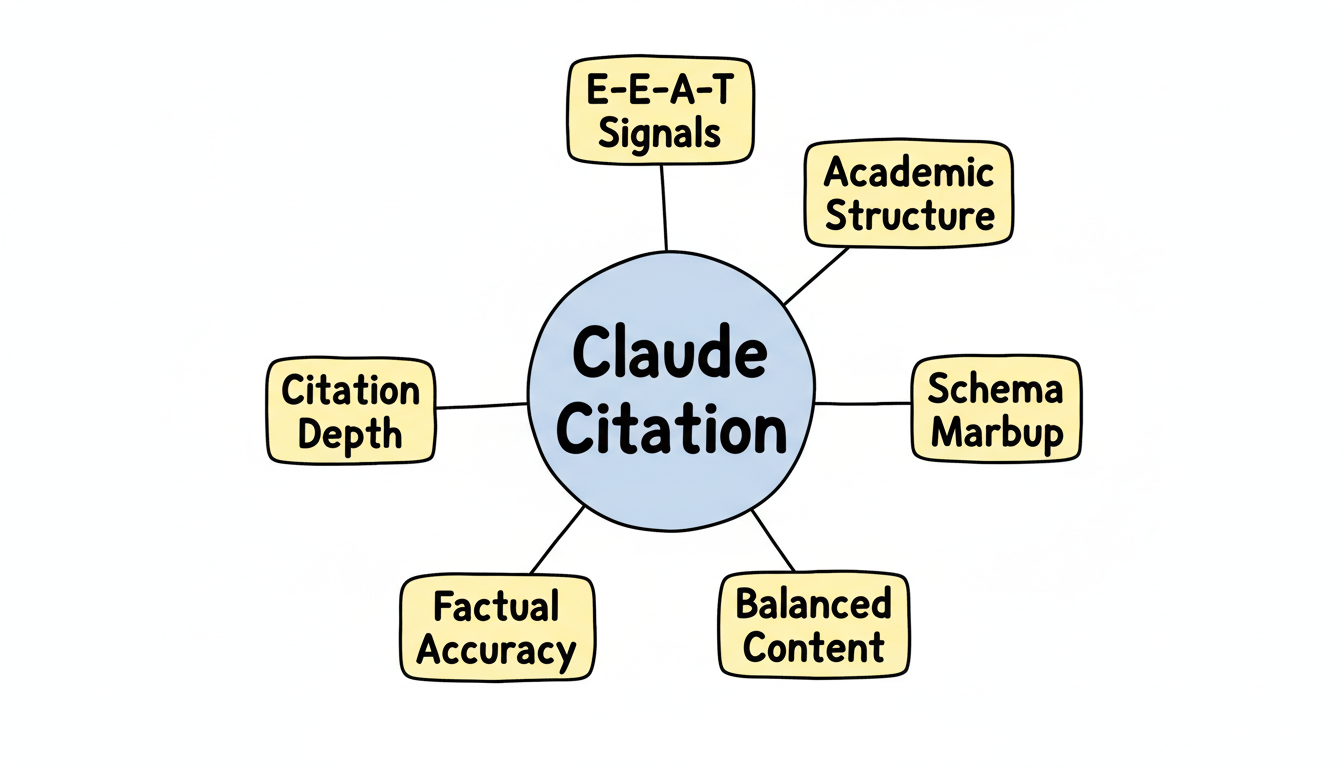
Claude, developed by Anthropic, has emerged as a major AI assistant with distinct behaviors that differentiate it from ChatGPT and other competitors. With web search capabilities now integrated into Claude's functionality, optimizing content for Claude citations has become a meaningful visibility opportunity.
This guide covers how Claude selects information sources and the specific strategies that earn citations from Anthropic's AI assistant.
Claude operates with architectural and philosophical differences that affect content optimization strategies.
Claude's language models are trained on:
Claude maintains knowledge cutoffs that vary by model version. The addition of web search capabilities in 2025 allows Claude to access current information beyond its training data—making real-time content optimization relevant.
Research and user testing reveal Claude exhibits distinct preferences when selecting and citing information:
Authority signals matter significantly. Claude weights content from sources demonstrating clear expertise and authoritativeness. Academic-style citations, peer-reviewed references, and formal language patterns align with Claude's training emphasis on reliable information.
Balanced perspectives are valued. Unlike systems that may prefer definitive statements, Claude responds well to content acknowledging limitations, presenting multiple viewpoints, and avoiding overconfident claims.
Author credentials influence selection. Content with detailed author bios, professional credentials, and demonstrated expertise earns higher trust signals from Claude.
Apply these strategies to improve Claude citation likelihood and implement an effective aeo-implementation-roadmap for AI search visibility.
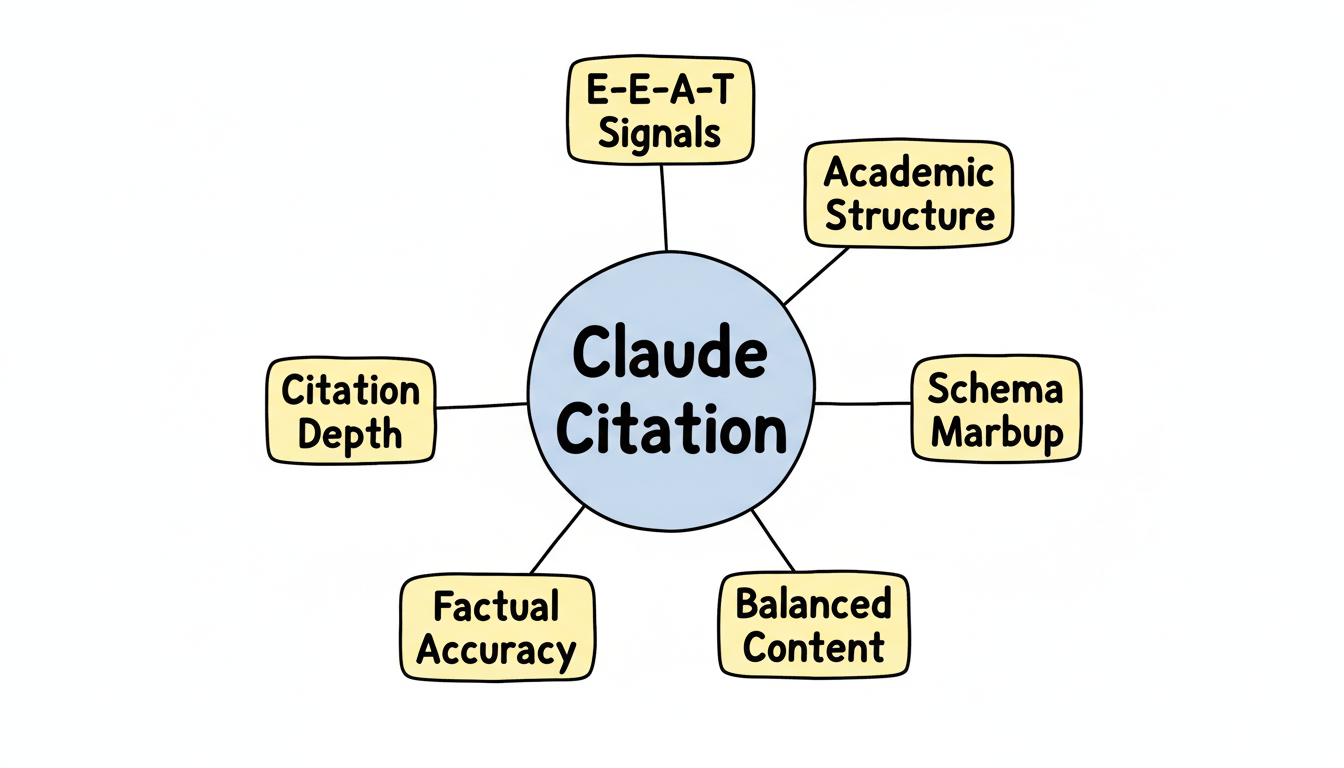
Claude's training emphasizes trustworthy sources. Strengthen Experience, Expertise, Authoritativeness, and Trustworthiness signals throughout your content.
Implementation:
Content demonstrating genuine expertise performs better than generic informational pages when Claude evaluates sources.
Claude's training data includes substantial academic and research content. Adopting academic formatting patterns improves source recognition.
Implementation:
This doesn't mean writing inaccessibly—maintain readability while incorporating academic credibility signals.
Structured data helps Claude understand content context and authority. Implement schema-markup-alignment-aeo that establishes entity identity and relationships.
Essential schema types:
Schema markup makes content more "digestible" for AI algorithms evaluating source quality.
Claude is trained to avoid overconfident responses and appreciate nuanced analysis. Content that mirrors this approach earns more citations.
Implementation:
Claude's Constitutional AI training emphasizes helpful, harmless, and honest responses—content reflecting these values aligns with its selection criteria.
Claude prioritizes factual accuracy and will avoid citing sources containing errors or misleading information.
Implementation:
Inaccurate content may be actively avoided by Claude, even if it ranks well in traditional search.
Claude synthesizes information from multiple sources. Provide comprehensive coverage that gives Claude substantive material to reference.
Implementation:
Shallow content gets passed over for sources providing genuine informational value.
Ensure Claude can access and understand your content.
Claude's web search uses crawlers to access content. Configure your robots.txt appropriately:
Claude's web search capability means fresh content can appear in responses:
Track Claude citation success through available methods, including using an ai-search-analytics-dashboard to monitor performance across multiple AI platforms.
Regularly query Claude with prompts relevant to your content:
Monitor for Claude-related traffic patterns:
Use AI visibility tools that track Claude mentions:
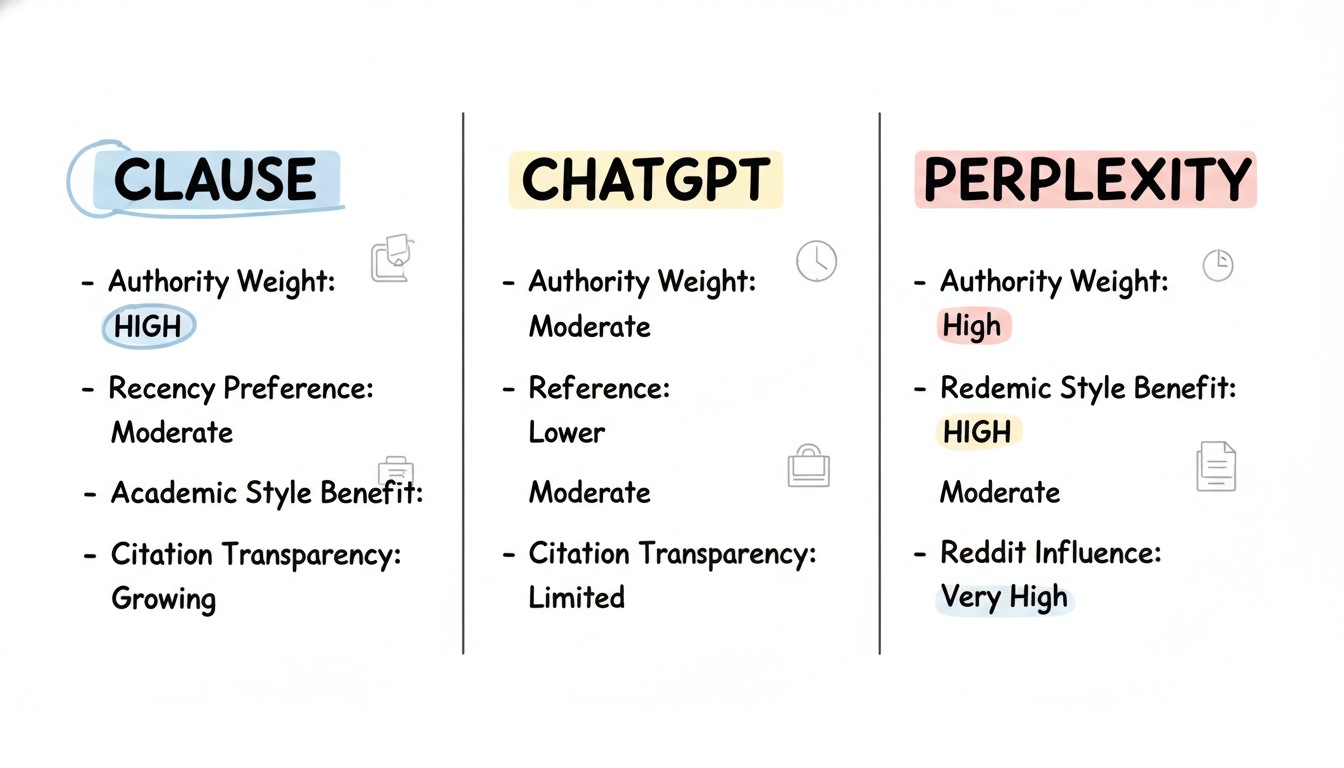
Optimization approaches vary by platform. Here's how Claude differs:
Factor | Claude | ChatGPT | Perplexity |
Authority weight | High | Moderate | High |
Recency preference | Moderate | Lower | High |
Citation transparency | Growing | Limited | High |
Academic style benefit | High | Moderate | Moderate |
Reddit influence | Lower | Lower | Very High |
Claude's emphasis on authoritative, balanced content creates opportunities for businesses with genuine expertise—even if they lack the brand recognition that benefits ChatGPT visibility. Understanding geo-vs-aeo-vs-seo differences helps prioritize optimization efforts across search paradigms.
Claude citation success builds over time through consistent quality signals.
Claude's emphasis on trustworthiness means authority compounds—sources that demonstrate reliability over time earn increasing citation preference.
Claude's citation behavior varies by context and query type. When using web search, Claude can reference sources, though citation patterns differ from Perplexity's inline linking approach. Optimization still matters for inclusion in Claude's synthesized responses.
Changes may appear within weeks for content Claude's web search indexes. However, deeper authority signals that influence Claude's training-based knowledge take longer to develop. Focus on sustainable quality improvements rather than quick fixes.
By submitting this form, you agree to our Privacy Policy and Terms & Conditions.



