
February 19, 2026


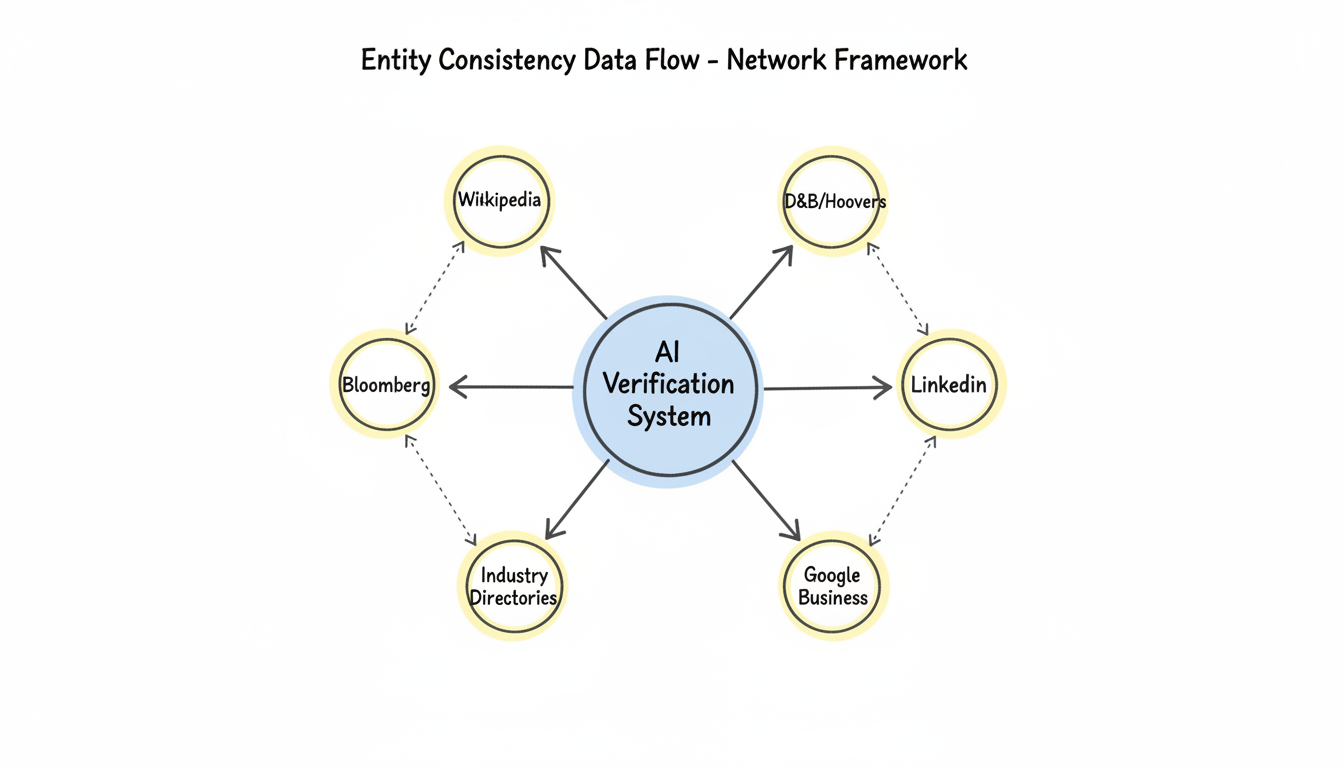
AI search systems don't just crawl websites—they rely heavily on authoritative directories and knowledge bases to verify entity information. Wikipedia, Bloomberg, Hoovers (now part of D&B), and similar directories serve as trusted data sources that AI models reference when generating responses. Optimizing your presence across these platforms directly impacts whether ChatGPT Search, Perplexity, and Google AI Overviews cite your brand accurately.
According to Wellows' AI search optimization guide, brand search demand and entity recognition—not backlink volume—are the strongest predictors of citation frequency in AI-generated responses. AI systems use structured business data from authoritative directories to validate entity claims, making directory presence essential for AI search visibility.
AI models prioritize sources they can verify through multiple authoritative channels.
According to StubGroup's GEO guide, Generative Engine Optimization is the practice of structuring content to increase citation probability in AI-generated responses. Directory listings provide the structured data AI systems need to confidently cite your brand information.
Directory impact on AI citations:
Directory Type | AI System Usage | Citation Impact |
Wikipedia | Knowledge verification | Highest authority signal |
Business databases (D&B/Hoovers) | Company data validation | Financial/company info |
Bloomberg | Market/financial data | Business credibility |
Industry directories | Vertical expertise | Sector-specific queries |
Government databases | Legal entity verification | Regulatory compliance |
Wikipedia remains the single most influential directory for AI search citations.
According to PageTraffic's AI search guide, AI Search Optimization means designing content so AI agents can find it, understand it, trust it, and cite it. Wikipedia articles serve as primary knowledge sources for AI models, making Wikipedia presence critical for entity authority.
Wikipedia optimization framework:
Wikipedia Citation Optimization
├── Notability Requirements
│   ├── Significant coverage in reliable sources
│   ├── Independent third-party references
│   ├── Industry recognition/awards
│   └── Media coverage documentation
│
├── Article Quality Factors
│   ├── Neutral point of view
│   ├── Verifiable claims
│   ├── Proper citation format
│   └── Regular updates
│
├── Supporting Elements
│   ├── Infobox completion
│   ├── Category placement
│   ├── Internal Wikipedia links
│   └── External reference quality
│
└── Maintenance
    ├── Monitor for edits
    ├── Update with new milestones
    ├── Respond to talk page issues
    └── Add new citations as earned
Important: Wikipedia has strict conflict-of-interest policies. Direct editing of articles about your own company violates guidelines. Work through transparent processes: suggest edits on talk pages, provide sources to independent editors, or engage Wikipedia-compliant agencies.
Hoovers (D&B), Bloomberg, and similar databases feed AI systems with structured company data.
According to ALM Corp's AI SEO trends analysis, authority building is essential—you can't be cited in AI Overviews without creating content and establishing presence where AI systems look for verification. Business databases provide the structured entity data AI models trust.
Key business directories to optimize:
Platform | Data Type | Optimization Priority |
D&B (Hoovers) | Company profiles, financials | High |
Bloomberg | Financial data, leadership | High |
Crunchbase | Funding, growth metrics | High for tech/startups |
LinkedIn Company Pages | Employee count, updates | Medium-High |
Google Business Profile | Local/contact data | Medium |
Glassdoor | Employer data | Medium |
Business database optimization checklist:
Financial directories carry significant weight for business-related AI queries.
Bloomberg Terminal presence factors:
For companies with Bloomberg coverage, ensuring data accuracy directly impacts how AI systems respond to queries about your business, especially for financial, investment, or B2B contexts.
Vertical directories influence AI responses for industry-specific queries.
According to TailoredTactiqs' AI visibility guide, AI systems pull from multiple authoritative sources to synthesize answers. Industry directories provide the specialized context AI needs for sector-specific queries.
Industry directory priorities:
Vertical Directory Optimization
├── Technology/SaaS
│   ├── G2, Capterra, TrustRadius
│   ├── Product Hunt
│   ├── BuiltWith, StackShare
│   └── GitHub (open source presence)
│
├── Professional Services
│   ├── Clutch.co
│   ├── Industry associations
│   ├── Certification bodies
│   └── Professional licenses
│
├── E-commerce/Retail
│   ├── Better Business Bureau
│   ├── Trustpilot, Reviews.io
│   ├── Merchant directories
│   └── Industry trade associations
│
└── Local/Regional
    ├── Google Business Profile
    ├── Yelp, Bing Places
    ├── Chamber of Commerce
    └── Local business directories
AI systems cross-reference multiple sources to verify entity data.
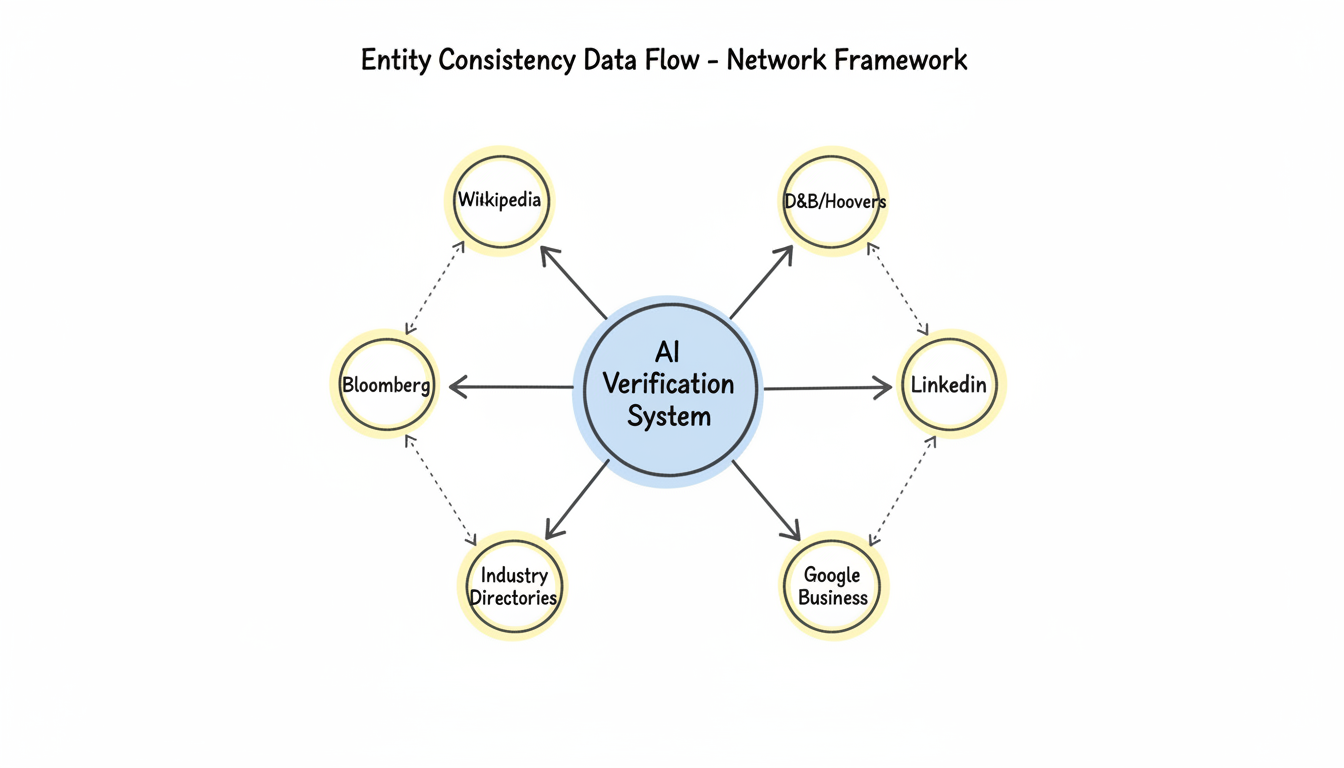
According to Opace's AEO guide, consistent entity signals across authoritative platforms help AI systems recognize and cite your brand correctly. Inconsistent data creates confusion and reduces citation likelihood. Understanding entity-based SEO and topical authority helps establish the consistency AI systems require for accurate citations.
Entity consistency audit:
Element | Check For | Common Issues |
Company name | Exact match everywhere | Inc. vs LLC variations |
Address | Format consistency | Suite vs # formatting |
Phone | Single primary number | Multiple numbers listed |
Website | Primary domain only | www vs non-www |
Description | Core messaging aligned | Outdated descriptions |
Leadership | Current executives | Former employees listed |
Track how directory optimization affects AI search performance.
Measurement approach:
To monitor visibility effectively, implement SearchGPT citation tracking and measuring visibility practices to quantify how directory optimizations impact AI search performance.
Key metrics:
Metric | What It Measures | Target |
Entity recognition rate | AI correctly identifies company | 100% accuracy |
Citation source diversity | Multiple authoritative citations | 3+ sources |
Data accuracy | Correct facts in AI responses | 100% accuracy |
Brand mention context | Relevant query associations | Increasing over time |
Resource-constrained teams should prioritize high-impact directories.
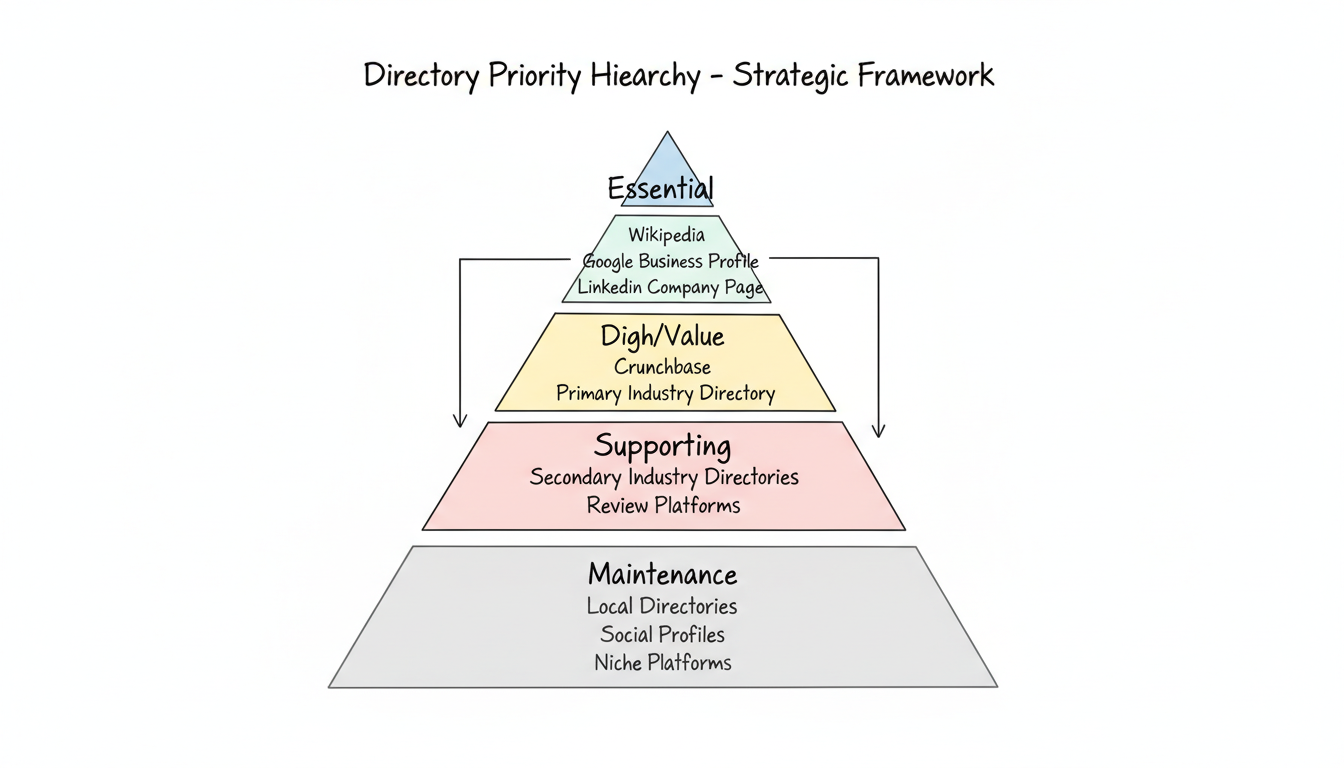
Priority ranking:
Directory optimization forms the foundation of AI search entity authority:
According to PageTraffic, AI search optimization requires making content findable, understandable, trustworthy, and citable. Authoritative directories provide the trust layer AI systems need to confidently cite your brand—making directory optimization one of the highest-ROI activities for AI search visibility in 2026.
By submitting this form, you agree to our Privacy Policy and Terms & Conditions.



