February 19, 2026


Schema markup has evolved from a nice-to-have SEO enhancement into a critical foundation for AI search visibility. When ChatGPT, Perplexity, and Google AI Overviews select content to cite, structured data helps them understand what your page contains and whether it answers the user's query. Without schema markup, AI systems must guess at content meaning—and they often guess wrong.
According to Backlinko's structured data analysis, schema markup makes content easier for machines to interpret, and AI systems rely on structured data to cite content accurately. The shift from keyword matching to semantic understanding makes structured data AI search implementation more important than ever.
AI systems process billions of pages when generating responses. Schema markup provides explicit signals about content meaning.
According to IDX's Authority Flywheel guide, schema markup multiplies citation potential by helping AI systems understand content type, authority signals, and semantic relationships. Implementing Article, FAQPage, and HowTo schemas creates machine-readable pathways for AI citation selection.
Schema's AI visibility impact:
Without Schema | With Schema |
AI infers content type | AI knows content type explicitly |
Entity relationships unclear | Entity connections defined |
Authority signals implicit | Author/organization credentials clear |
Extraction patterns guessed | Extraction patterns specified |
Different schema types serve different AI visibility purposes.
According to SEO Sherpa's AI optimization guide, FAQ, HowTo, Article, and Product schema tell AI engines exactly what your page includes. These structured data types create clear signals that improve citation likelihood across ChatGPT, Perplexity, and Google AI Overviews.
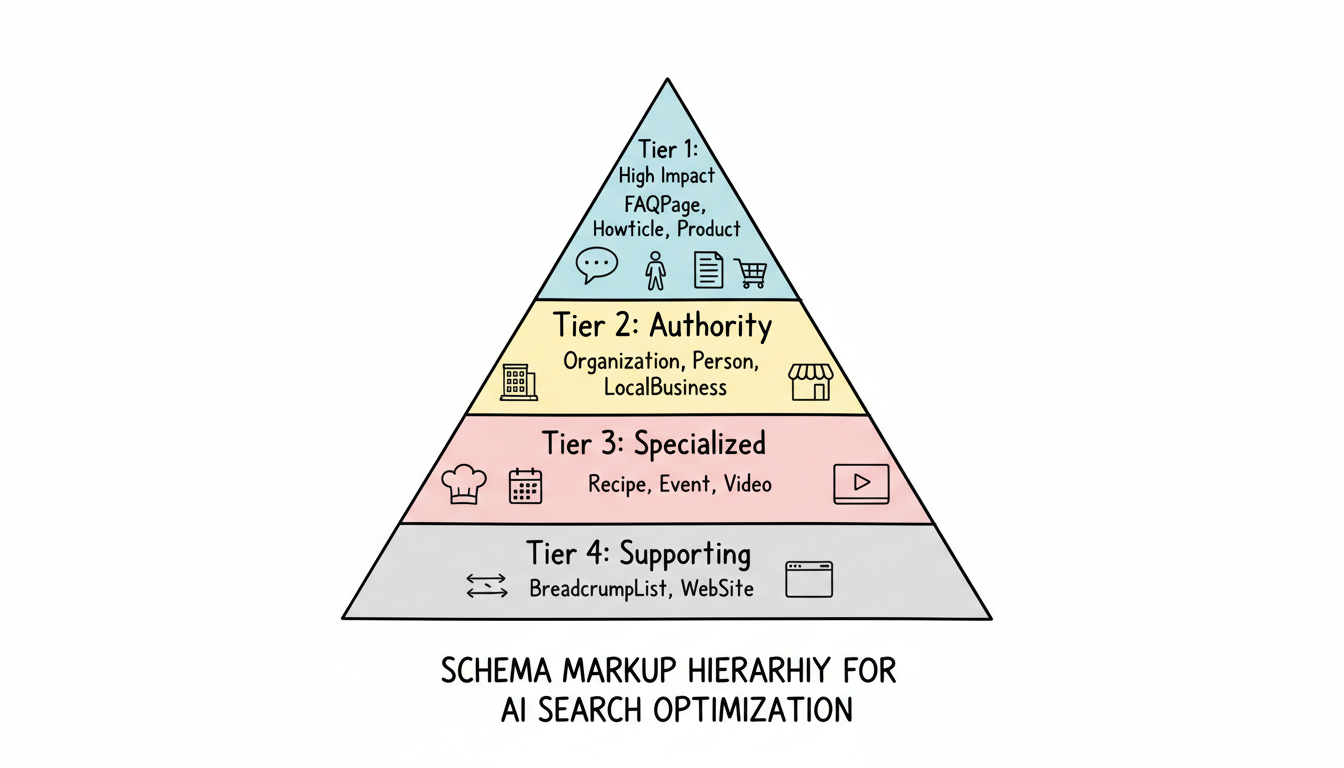
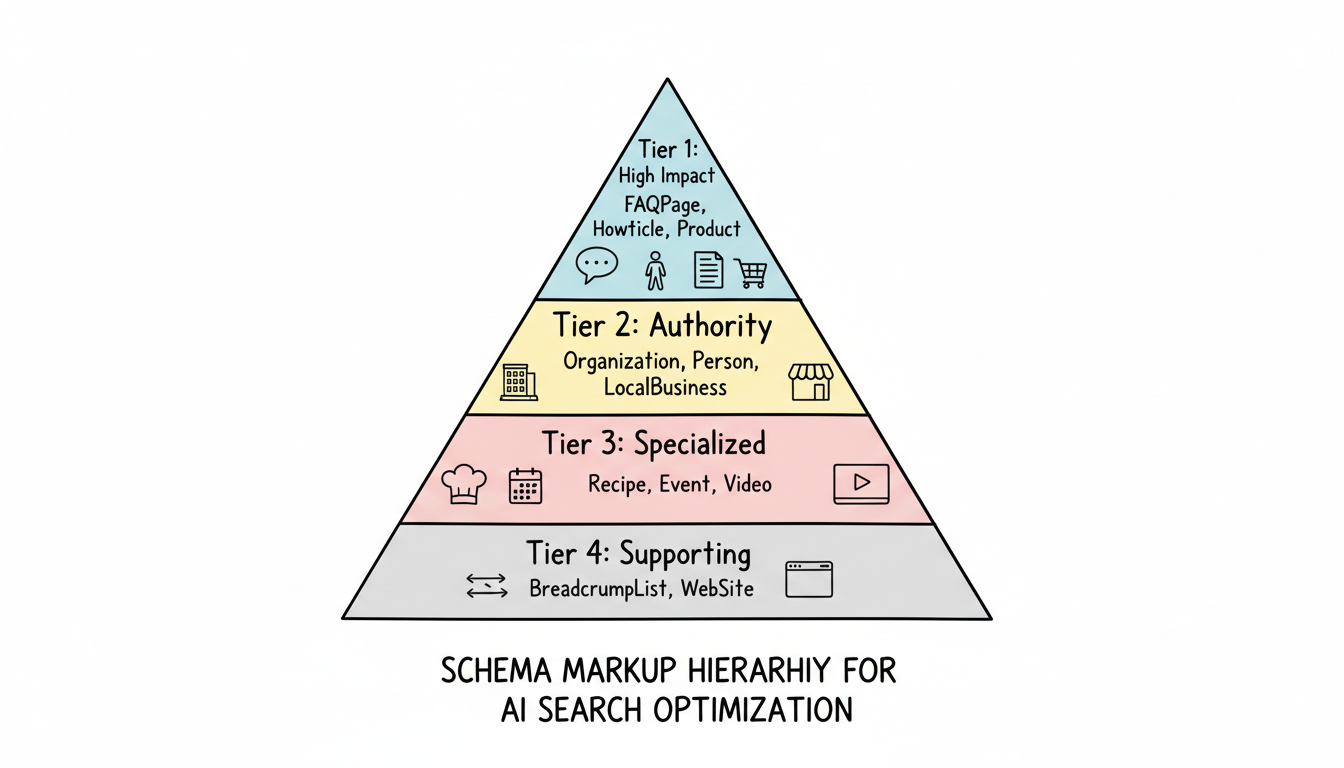
Schema priority hierarchy:
Schema Types for AI Visibility
├── Tier 1: High Impact
│   ├── FAQPage - Direct Q&A extraction
│   ├── HowTo - Step-by-step processes
│   ├── Article - Content categorization
│   └── Product - E-commerce information
│
├── Tier 2: Authority Signals
│   ├── Organization - Brand identity
│   ├── Person - Author expertise
│   ├── LocalBusiness - Location context
│   └── Review - Social proof
│
├── Tier 3: Specialized
│   ├── Recipe - Food content
│   ├── Event - Date/time information
│   ├── Video - Media content
│   └── Course - Educational material
│
└── Tier 4: Supporting
    ├── BreadcrumbList - Site structure
    ├── WebSite - Search features
    └── ImageObject - Visual content
FAQ schema creates the clearest pathway for AI answer extraction.
According to ALM Corp's schema guide, FAQ schema AI overviews explicitly marks question-answer pairs for extraction, making it one of the highest-impact schema types for AI visibility. AI systems can pull complete Q&A pairs directly from properly marked content.
FAQPage schema example:
{
  "@context": "https://schema.org",
  "@type": "FAQPage",
  "mainEntity": [
    {
      "@type": "Question",
      "name": "What is schema markup for AI search?",
      "acceptedAnswer": {
        "@type": "Answer",
        "text": "Schema markup for AI search is structured data that helps AI systems understand and cite your content accurately. It provides explicit signals about content type, author expertise, and factual claims."
      }
    },
    {
      "@type": "Question",
      "name": "Which schema types matter most for AI visibility?",
      "acceptedAnswer": {
        "@type": "Answer",
        "text": "FAQPage, HowTo, Article, and Organization schema have the highest impact on AI citation likelihood. These types provide clear extraction patterns for AI systems."
      }
    }
  ]
}
Tutorial and process content benefits significantly from HowTo markup.
According to NoGood's future of search analysis, HowTo schema helps AI systems parse step-by-step information accurately. When users ask "how to" questions, AI systems preferentially cite content with properly structured step data. This is particularly important for technical AEO optimization strategies.
HowTo schema implementation:
Element | Purpose | AI Benefit |
name | Process title | Query matching |
step | Individual steps | Sequential extraction |
totalTime | Duration estimate | User expectation setting |
tool/supply | Requirements | Complete answer provision |
image | Visual guidance | Rich response potential |
Article schema establishes content credibility signals AI systems evaluate.
According to Wellows' AI SEO analysis, Article schema with proper author attribution creates E-E-A-T signals that AI systems use when selecting authoritative sources. The author, publisher, and dateModified fields are particularly important for AI trust evaluation when implementing generative engine optimization geo services.
Essential Article schema fields:
{
  "@context": "https://schema.org",
  "@type": "Article",
  "headline": "Your Article Title",
  "author": {
    "@type": "Person",
    "name": "Author Name",
    "url": "https://example.com/author"
  },
  "publisher": {
    "@type": "Organization",
    "name": "Company Name",
    "logo": {
      "@type": "ImageObject",
      "url": "https://example.com/logo.png"
    }
  },
  "datePublished": "2026-01-13",
  "dateModified": "2026-01-13",
  "description": "Article summary for AI extraction"
}
Organization schema helps AI systems recognize and trust your brand.
According to Search Engine Journal's enterprise SEO trends, AI search is shifting from "which URL answers this?" to "which brand is credible enough to trust?" Organization schema establishes entity identity that AI systems use for authority evaluation, particularly relevant for knowledge graph case study implementations.
Organization schema priorities:
Research quantifies schema's impact on AI platform visibility.
According to ALM Corp's SEO trends analysis, schema markup contributes approximately 10% to ranking factors on Perplexity. Priority schema types include Article, FAQ, HowTo, Organization, and Review—implementing these creates measurable AI visibility improvements when combined with AI search conversion optimization strategies.
Schema impact by platform:
Platform | Schema Importance | Priority Types |
Google AI Overviews | High | FAQ, HowTo, Article |
Perplexity | ~10% of factors | Article, Organization |
ChatGPT | Moderate | FAQ, HowTo |
Microsoft Copilot | High | All types via Bing |
Proper implementation ensures AI systems can read and use your schema.
According to StubGroup's GEO guide, structured data implementation must follow Google's guidelines exactly. Invalid schema gets ignored, providing no AI visibility benefit despite implementation effort. Many geo services agency providers offer schema audits as part of their optimization packages.
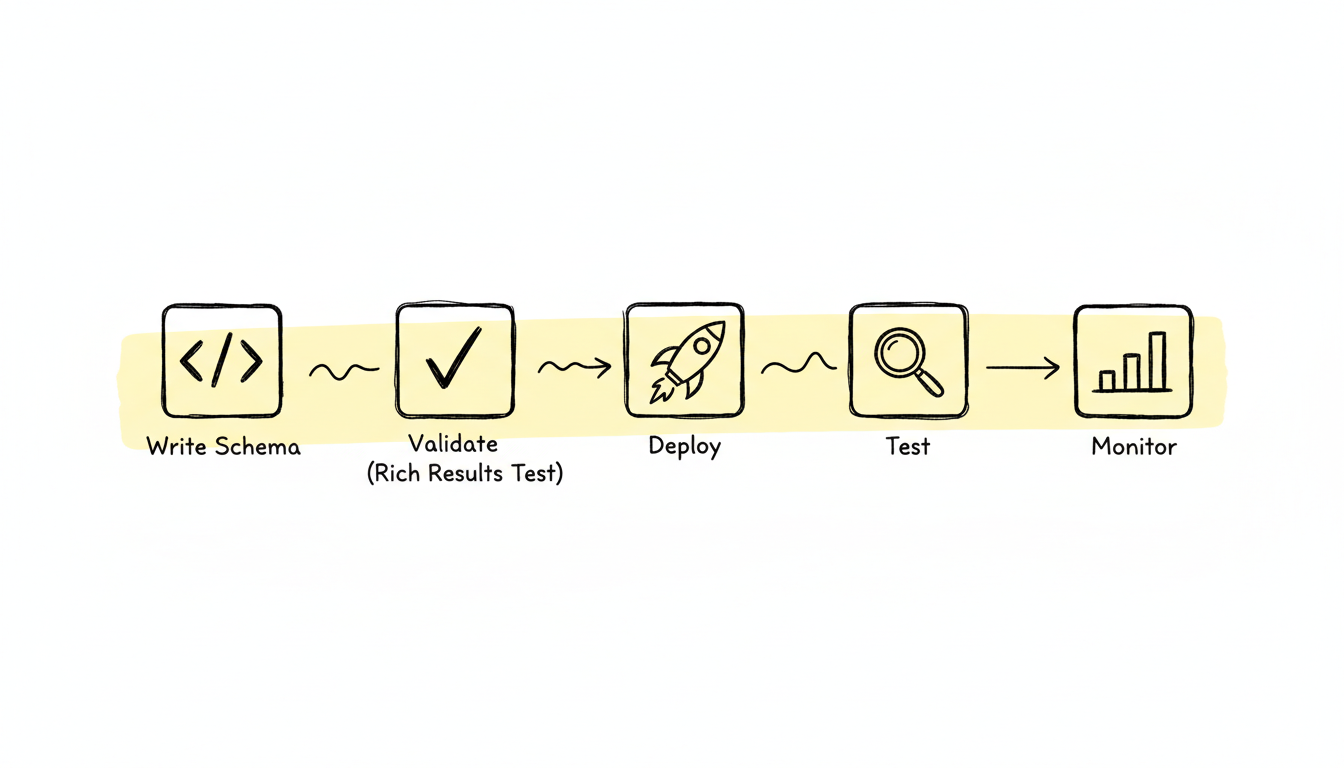
Schema implementation checklist:
Verify schema works before relying on it for AI visibility. For comprehensive performance measurement, consider tracking AI overview performance metrics alongside schema validation.
Validation tools:
Tool | Purpose | URL |
Google Rich Results Test | Google compatibility | search.google.com/test/rich-results |
Schema.org Validator | Syntax validation | validator.schema.org |
Structured Data Linter | Error detection | linter.structured-data.org |
Merkle Schema Tool | Preview generation | technicalseo.com/tools/schema-markup-generator |
Avoid errors that reduce or eliminate AI visibility benefits.
According to Search Engine Land's AI content guidance, schema must match visible content exactly. AI systems cross-reference structured data with page content, and mismatches trigger trust penalties that can affect your AEO metrics KPIs.
Mistakes to avoid:
Mistake | Problem | Solution |
Schema not matching content | Trust penalty | Ensure exact alignment |
Missing required fields | Invalid markup | Complete all required properties |
Outdated dateModified | Freshness signals wrong | Update on every edit |
No author attribution | E-E-A-T gaps | Add Person schema |
Over-marking content | Spam signals | Only mark genuinely present content |
Schema markup provides the machine-readable foundation for AI search visibility:
According to IDX's Authority Flywheel guide, combining schema markup with entity optimization and content authority creates a compound effect for AI visibility. Schema alone doesn't guarantee citations, but missing schema almost guarantees being overlooked. For WordPress users, WordPress AEO optimization tools can simplify schema implementation significantly.
By submitting this form, you agree to our Privacy Policy and Terms & Conditions.