February 19, 2026


Last Updated: January 2026
Google AI Overviews have transformed search results from lists of links into synthesized answers. When your content earns citation in these AI-generated responses, you gain visibility that traditional rankings alone can't match—appearing at the very top of search results with direct attribution.
This guide provides a complete framework for optimizing content to appear in Google AI Overviews, from understanding how the system selects sources to measuring your performance in this new search landscape.
Google AI Overviews are AI-generated summaries that appear at the top of search results for certain queries. They synthesize information from multiple web sources to provide comprehensive answers directly in the search interface. Understanding what is an answer engine helps contextualize how AI Overviews fit into the broader evolution of search technology.
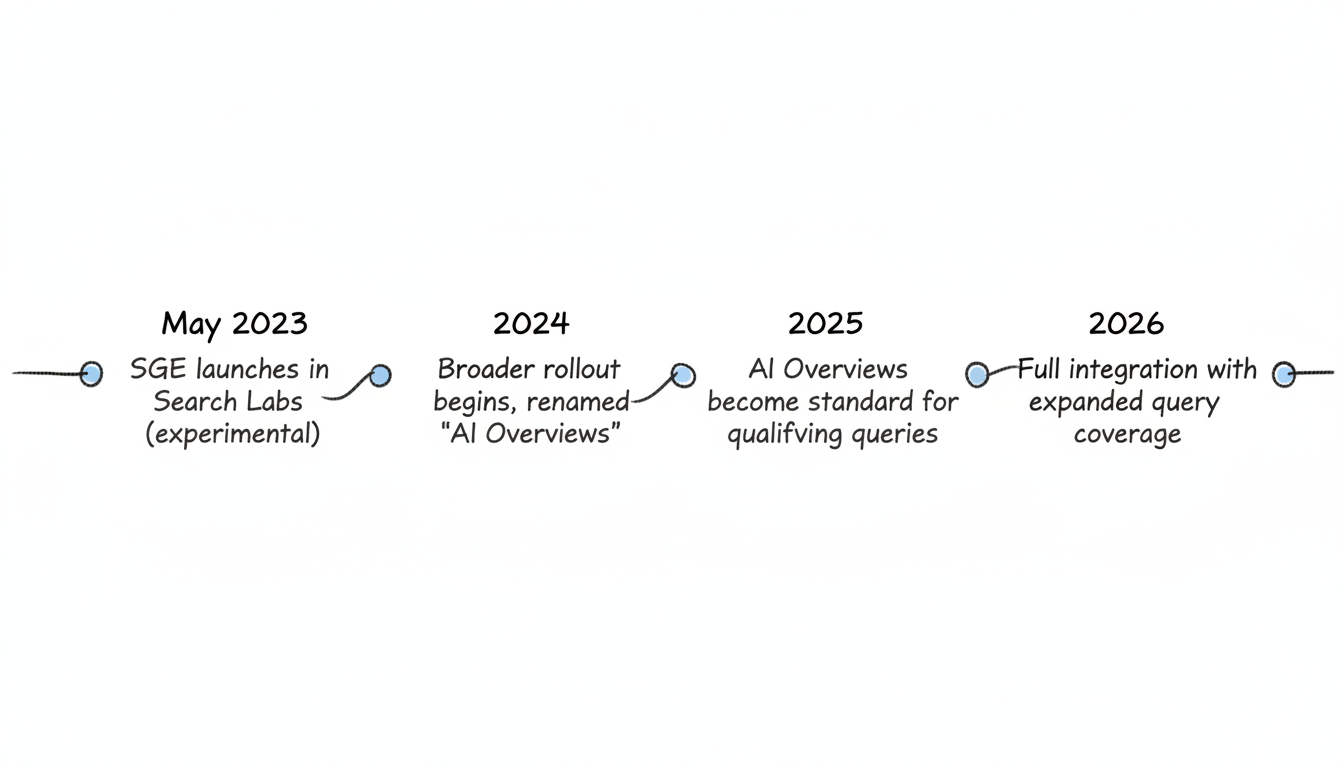
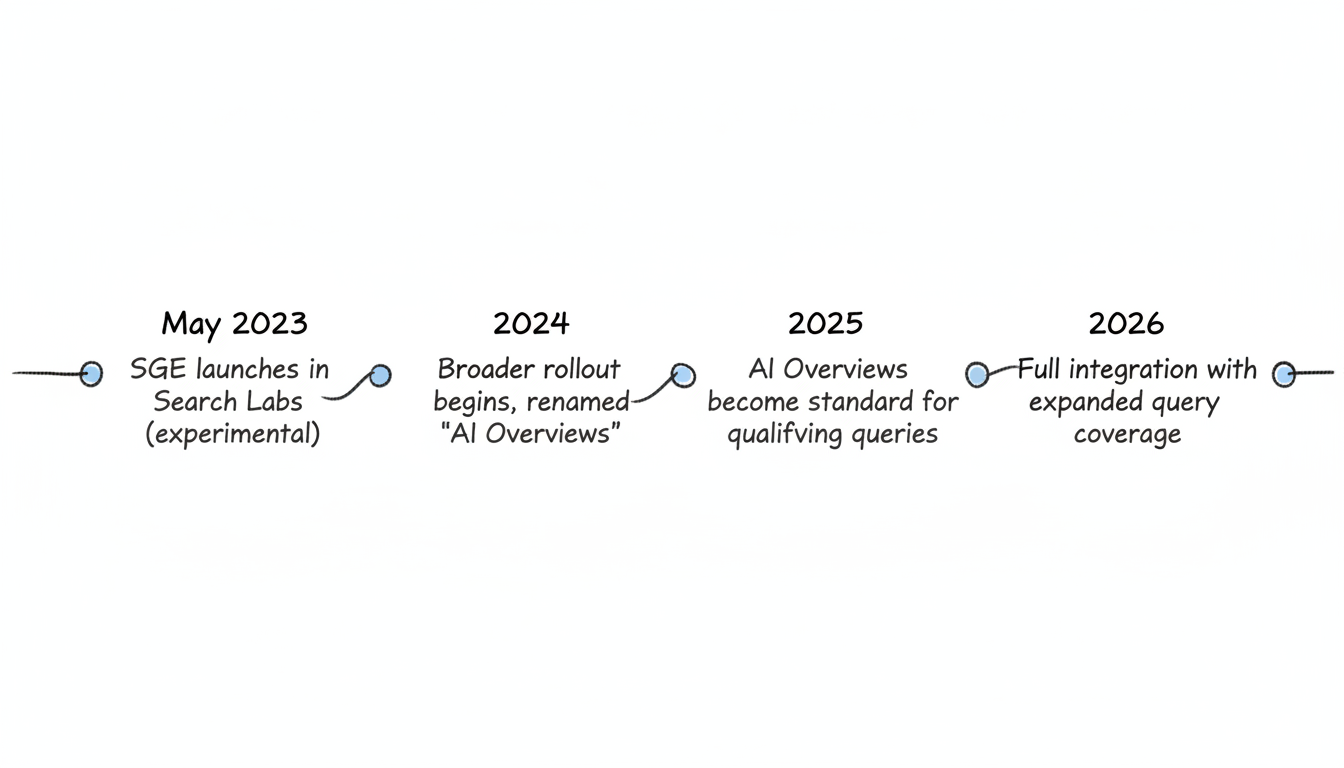
AI Overviews evolved from Google's Search Generative Experience (SGE), which launched in limited testing in 2023. The progression:
AI Overviews now appear in approximately 13% or more of search queries, with higher prevalence for:
Traditional Search Results:
AI Overviews:
The shift represents a fundamental change in how Google delivers information—from organizing links to generating answers. This evolution is central to understanding the seo vs aeo dynamic in modern search optimization.
Understanding AI Overview source selection helps you optimize for citation. Google's system evaluates content through multiple layers:
Google employs several AI systems for AI Overviews:
PaLM 2: Powers language understanding and generation, evaluating content semantics and quality.
MUM (Multitask Unified Model): Processes information across formats and languages, understanding complex queries and content relationships.
Gemini: Google's latest multimodal model, integrating text, image, and video understanding for comprehensive content evaluation.
Research indicates Google evaluates sources based on:
Content Relevance
E-E-A-T Signals
Content Quality Indicators
Technical Signals
Unlike featured snippets that pull from a single source, AI Overviews synthesize information from multiple pages. For a deeper understanding of how citations work, review our ai overview citation analysis:
Your goal is optimizing content to qualify at each stage of this process.
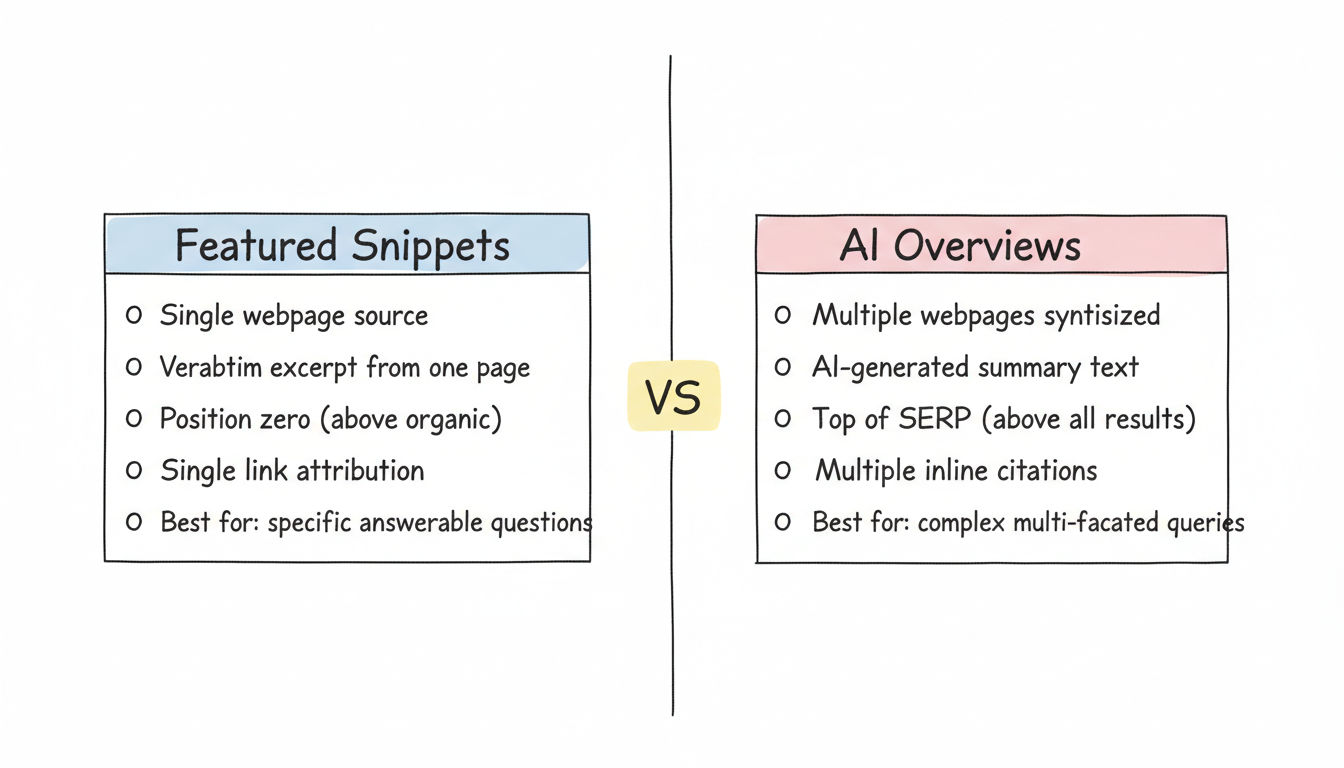
Understanding the distinction between AI Overviews and featured snippets clarifies optimization strategies.
Source: Single webpage Format: Direct excerpt from one page Position: Position zero, above organic results Content: Verbatim or lightly edited text from source Attribution: Single link to source page Query Types: Specific, answerable questions
Source: Multiple webpages synthesized Format: AI-generated summary Position: Top of SERP, above all other results Content: Original text generated by AI Attribution: Multiple inline citations Query Types: Complex, multi-faceted queries
Research shows different traffic patterns:
Featured Snippets:
AI Overviews:
For Featured Snippets:
For AI Overviews:
These strategic differences are part of the broader seo vs geo vs aeo landscape that modern marketers must navigate.
AI Overview source selection favors content with specific characteristics:
AI systems prefer content that answers questions directly:
Effective Structure:
[Question/Topic as Heading]
[Direct answer in first paragraph]
[Supporting details and context]
[Examples and evidence]
Avoid burying answers deep in content. Lead with the information users seek, then expand with supporting detail.
AI Overviews synthesize multiple aspects of topics. Content that covers related subtopics earns more citation opportunities:
Content structure signals help AI systems extract relevant information:
Headings: Use descriptive H2 and H3 headings that reflect content sections Lists: Bullet and numbered lists for sequential or grouped information Tables: Data comparisons and structured information Paragraphs: Clear topic sentences with supporting details
AI systems evaluate content accuracy:
Queries triggering AI Overviews often have question intent. Optimize by:
Technical foundations support AI Overview visibility. For a comprehensive assessment, consider conducting an aeo technical audit:
Structured data helps AI systems understand content. Ensuring schema markup alignment visible content is critical:
Essential Schema Types:
{
  "@context": "https://schema.org",
  "@type": "Article",
  "headline": "Your Article Title",
  "author": {
    "@type": "Person",
    "name": "Author Name",
    "jobTitle": "Position",
    "worksFor": {
      "@type": "Organization",
      "name": "Company Name"
    }
  },
  "publisher": {
    "@type": "Organization",
    "name": "Site Name",
    "logo": {
      "@type": "ImageObject",
      "url": "https://yoursite.com/logo.png"
    }
  },
  "datePublished": "2026-01-15",
  "dateModified": "2026-01-15"
}
FAQ Schema for question-answer content:
{
  "@context": "https://schema.org",
  "@type": "FAQPage",
  "mainEntity": [{
    "@type": "Question",
    "name": "What is the question?",
    "acceptedAnswer": {
      "@type": "Answer",
      "text": "The direct answer to the question."
    }
  }]
}
Core Web Vitals impact AI Overview source selection:
LCP (Largest Contentful Paint): Under 2.5 seconds FID/INP (Interaction to Next Paint): Under 200 milliseconds CLS (Cumulative Layout Shift): Under 0.1
With mobile-first indexing, ensure:
Clear site structure helps AI systems understand content relationships:
Earning citations in AI Overviews requires strategic content positioning:
AI systems favor authoritative sources on topics. Build authority through:
Content Depth: Comprehensive coverage of your core topics Content Breadth: Related articles covering adjacent topics Internal Linking: Connect related content to signal expertise External Recognition: Earn links and mentions from trusted sources
AI Overviews appear most frequently for informational queries. Understanding searchgpt ranking factors can inform your query targeting strategy:
High-Opportunity Query Types:
Research queries triggering AI Overviews in your industry and create content specifically addressing them.
AI systems identify and cite content offering unique information:
Since AI Overviews combine multiple sources, optimize for partial citation:
Updated content signals relevance:
Tracking AI Overview visibility requires specific measurement approaches. Utilizing geo tools guide resources can help you monitor performance effectively:
Manual Tracking:
Third-Party Tools: Several platforms now track AI Overview visibility:
Search Console Signals:
Traffic Analysis:
Monitor competitor citation:
Metric | Purpose | Target |
AI Overview appearance rate | Query coverage | Increase over time |
Citation frequency | Content visibility | Multiple citations |
Citation position | Prominence | Earlier in response |
Post-click engagement | Traffic quality | Above baseline |
Conversion rate from AI traffic | Business impact | Comparable to organic |
Use this checklist to audit and improve your AI Overview optimization. For businesses with different needs, understanding enterprise vs smb aeo strategy approaches can help tailor your efforts:
For those preferring to work with specialists, exploring aeo services and reading aeo services reviews can help identify qualified partners.
Google AI Overviews represent a fundamental shift in how search delivers information. Content that earns citation gains visibility advantages that traditional rankings alone can't provide—prominent placement, authoritative association, and increased engagement. For businesses seeking expert support, understanding how to choose ai seo agency criteria ensures you find the right partner.
Success requires adapting your approach:
The brands investing in AI Overview optimization now position themselves for sustained visibility as AI-generated search responses become increasingly prevalent. Traditional SEO remains foundational, but AI Overview optimization adds a new layer of competitive advantage.
By submitting this form, you agree to our Privacy Policy and Terms & Conditions.